
AC PCB Assembly Services

OrinewPCB · One-stop specialized PCBA
AC PCB assembly for alternating-current power and control boards
AC PCB assembly builds printed circuit boards that switch, convert, monitor or control alternating-current circuits. The manufacturing scope must follow the released voltage, current, isolation, thermal and safety requirements of the product—not a generic assumption about an “AC board.” OrinewPCB coordinates PCB fabrication, 100% new original components, assembly and agreed testing through one project team.
Because AC designs can include hazardous voltage or high energy, the customer design authority must define the applicable standard, working voltage, overvoltage category, pollution degree, insulation system, protective devices and acceptance test. OrinewPCB reviews manufacturability and the quoted test scope without substituting a universal clearance or hipot value for the product’s engineering requirements.
High-mix, practical quantities
OrinewPCB coordinates prototypes and low- to medium-volume builds, including several board variants, without losing revision and material ownership.
100% new, original parts
For components sourced by OrinewPCB, the requirement is 100% new and original. Manufacturer and distributor cooperation supports price, availability and lead-time review.
Quality and delivery together
The nine-step workflow remains in the plan while engineering and purchasing work toward the earliest practical delivery after files, materials and tests are reviewable.
Design-to-process decisions
Define the electrical and safety basis before production
The board files alone may not state the complete operating environment. A useful release package connects the PCB layout to the product-level safety and functional decisions that control materials, spacing, components and tests.
| Decision area | What to provide | What OrinewPCB reviews |
|---|---|---|
| Electrical rating | Working voltage, frequency, current, surge and transient conditions | Copper, spacing, component and test implications |
| Insulation system | Applicable standard, material group, coating, slots, barriers and isolation requirements | Whether fabrication and assembly match the approved design |
| Power components | Exact relays, fuses, MOVs, transformers, connectors and temperature limits | Original-part sourcing, orientation and heat management |
| Thermal design | Loss estimates, copper areas, airflow, heatsinks and enclosure conditions | Assembly access and inspection around power parts |
| Safety and functional test | Connections, limits, dwell, fixtures, firmware and disposition | Quoted test coverage and operator protection |
Creepage, clearance, protective-earth strategy and dielectric tests are design decisions tied to the applicable product requirements. They should be supplied or approved by the customer’s qualified engineering authority before the manufacturing test is released.
Share the released data set for a combined engineering and BOM review. The quotation can then state the fabrication, sourcing, assembly, inspection and test assumptions together.
Nine controlled quality gates
A one-stop workflow for the complete assembly
A specialized board still needs the same configuration discipline as any repeatable PCBA. The method below connects procurement, process setup and acceptance evidence; it is not a claim that every product receives identical equipment or every optional test.
- Data and revision review: Reconcile fabrication files, BOM, placement data, drawings, quantities and product variants before material release.
- Source and material identity: Confirm PCB material requirements and exact manufacturer part numbers; any alternate remains subject to the agreed approval rule.
- Incoming inspection: Check received bare boards and components against the released order and the condition required for production.
- Process setup and solder paste: Prepare stencil, tooling, support, feeders and solder-paste controls for the actual board construction.
- First-article verification: Verify polarity, orientation, fitted references and critical assembly attributes before the lot continues.
- AOI or visual inspection: Inspect visible soldering and placement attributes using the method appropriate to the board and package mix.
- X-ray where appropriate: Use X-ray when selected hidden joints or package structures require evidence that visible inspection cannot provide.
- Electrical or functional test: Apply the agreed test method, fixtures, firmware, limits and failure disposition for the product.
- Final quality and release: Reconcile quantity, records, approved deviations, packing and shipment release against the order.
Inspection scope is product-specific. AOI, X-ray, electrical testing and functional testing answer different questions. The applicable coverage depends on component packages, visibility, test access, fixtures, software and customer acceptance criteria.
Board-specific process control
Control heavy, polarized and heat-producing components
Transformers, relays, terminal blocks, heatsinks and other power components can create mechanical or thermal loads that ordinary placement data does not describe. Drawings should identify orientation, seating, lead forming, fastening and any staking or coating requirement.
Mixed SMT and through-hole assembly needs a defined soldering sequence. Process access, temperature limits and cleaning requirements should be reviewed with the full component population rather than optimized around one device in isolation.
Testing should be separated into assembly checks, safe power-up and product function. Fixtures, interlocks, loads and discharge behavior must be part of the released procedure when the board can store or expose hazardous energy.
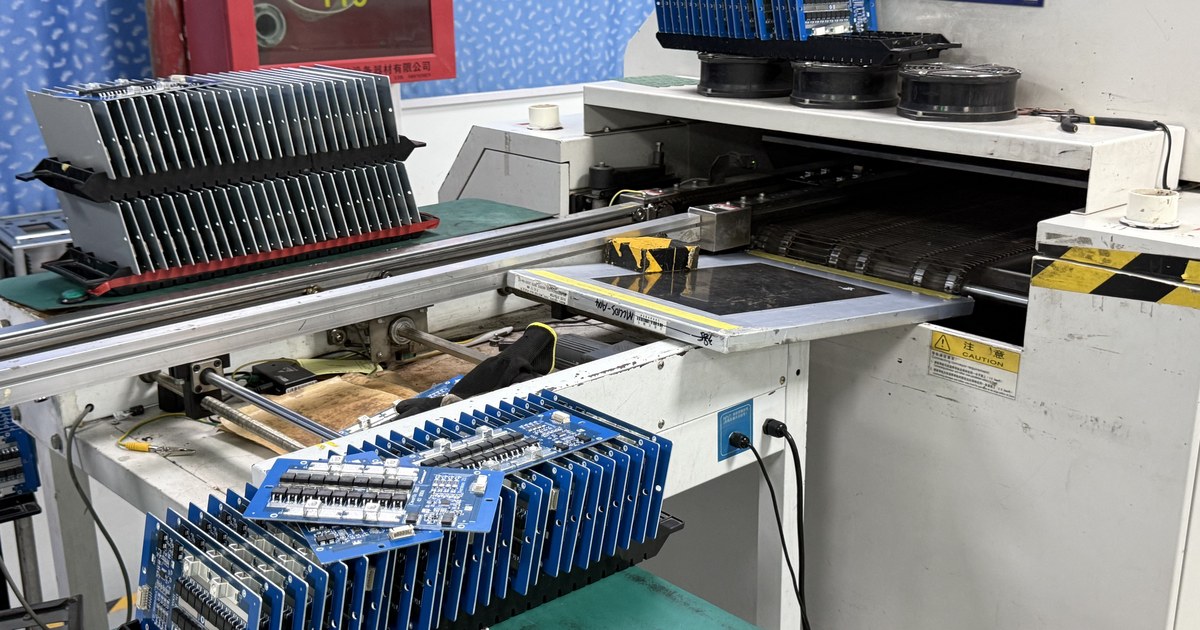
Original components · Coordinated supply
Component sourcing, cost and delivery are connected
Material price is only useful when the exact manufacturer part number, packaging, quantity and delivery window are correct for the released BOM. OrinewPCB checks manufacturer and distributor channels for genuine supply, available price breaks and practical lead time. We do not replace an approved component without the defined customer decision.
| Project input | How it supports cost | How it supports delivery |
|---|---|---|
| Exact manufacturer part numbers | Prevents quotes based on a different grade, package or lifecycle status. | Lets purchasing check real stock and authorized supply paths immediately. |
| Approved alternatives and authority | Creates a controlled comparison instead of an unreviewed substitution. | Reduces waiting when the preferred part is constrained. |
| Quantity by board variant | Allocates common material and setup cost to the correct models. | Supports a coordinated high-mix build sequence and material plan. |
| Firmware and test readiness | Shows programming, fixture and labor scope before the quote is confirmed. | Prevents assembled boards from waiting for an undefined acceptance method. |
For a wider responsibility matrix, review turnkey PCB assembly. For several models in practical quantities, the low-volume, high-mix PCB assembly page explains why variant control matters.
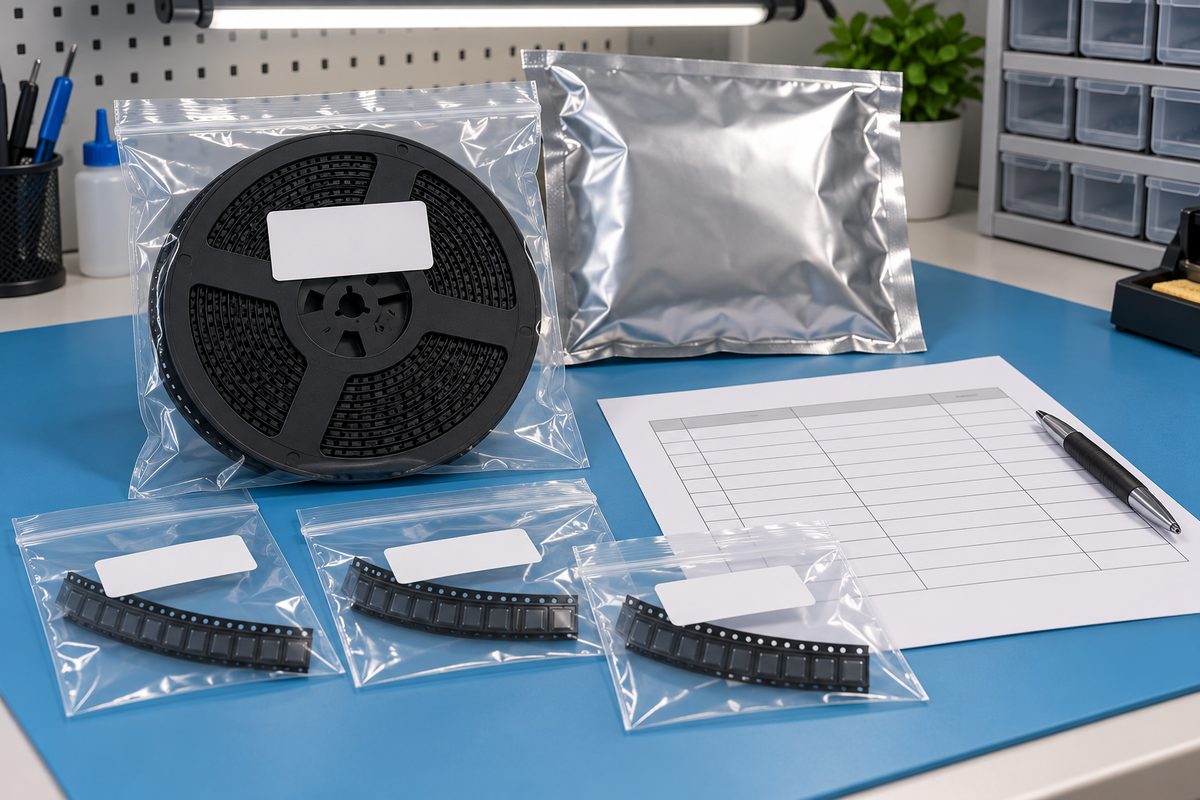
Build-ready information
What to send for an accurate PCBA review
- Gerber or ODB++, drill files, stack-up, board drawing and material requirements.
- BOM with exact MPNs, references, quantities, DNP lines and approved-alternate rules.
- Centroid or pick-and-place data, assembly drawings, polarity and mechanical notes.
- Quantity and revision for every board model or variant.
- Programming files, test instructions, fixtures, pass limits, records and target date.
Files should identify the same release. Mark preliminary data clearly and list unresolved decisions; a fast response is more reliable when engineering does not need to infer which version governs the build.
Related service detail is available in the heavy copper PCB manufacturing service and one-stop PCB assembly pages.
From first build to repeat order
Keep the high-mix program traceable after the first shipment
The final production record should identify the actual PCB revision, installed manufacturer part numbers, approved alternates, programming version, inspection findings, rework and test limits. A repeat order should begin from that evidence and a newly reviewed release, not from an assumption that every file and component is unchanged.
For several product variants, use a configuration matrix that separates shared material from model-specific parts, DNP positions, firmware and test instructions. Common purchasing can support competitive component cost and supply planning, while separate traveler or lot records preserve the identity of each finished model. When one variant changes, state whether existing boards, components, stencil, fixtures or programs remain valid for the others.
Nonconformities also need a documented decision. Define who can approve a controlled deviation, alternate or rework, what evidence is required after correction and whether the disposition applies to one board, one lot or future releases. This prevents a fast answer during an urgent build from becoming an unintended permanent change.
Forecast information can help purchasing review allocation and common materials, but forecast demand should remain distinct from an authorized order. State likely quantities and timing separately from firm release quantities. For a new design, prototype PCB assembly can establish the build and test baseline before recurring low- or medium-volume production.
Frequently asked questions
AC PCB Assembly Services FAQ
These answers describe the manufacturing review boundary. The approved quotation, released product data and agreed acceptance plan remain the controlling documents for each order and variant.
What is AC PCB assembly?
It is the assembly of a board designed to switch, convert, monitor or control alternating-current power, with the applicable electrical, isolation and test requirements defined by the product.
Does OrinewPCB define the product safety standard?
No. The customer design authority should identify the applicable product standard and approved requirements. OrinewPCB reviews manufacturability and the agreed production test scope.
Can OrinewPCB source power components?
Yes. Supplier-sourced components are required to be 100% new and original, using exact manufacturer part numbers and controlled alternatives.
Can AC boards include mixed SMT and through-hole parts?
Yes. The process sequence is reviewed against component mass, temperature limits, access, lead forming, mechanical support and test requirements.
What test information is needed?
Provide safe connections, fixtures, firmware, loads, limits, dwell, discharge and pass/fail instructions. Test coverage is quoted for the actual product.
Send the electrical rating, applicable design requirements, fabrication data, BOM, assembly drawings, quantities and test procedure. We will confirm what can be manufactured and verified within the quoted scope.
Send the BOM, board files, quantities and target date for a project-specific quote.
US keyword data used for this update: AC PCB assembly (0 monthly searches; keyword difficulty None).