
High Volume PCB Assembly

Table of Conent
Table of Conent
Validated design · controlled supply · repeat production
High-volume PCB assembly is repeat production built around a stable design, controlled BOM, validated process, defined test coverage and planned material releases. The key decision is not an arbitrary board count; it is whether the product and supply chain are mature enough to repeat the same accepted result across scheduled lots.
OrinewPCB coordinates PCB fabrication, 100% new and original component sourcing, automated and mixed assembly, inspection, testing requirements and delivery planning. Before confirming price or schedule, we review the released files, forecast, component risk, process route, quality evidence and change-control rules for the actual product.
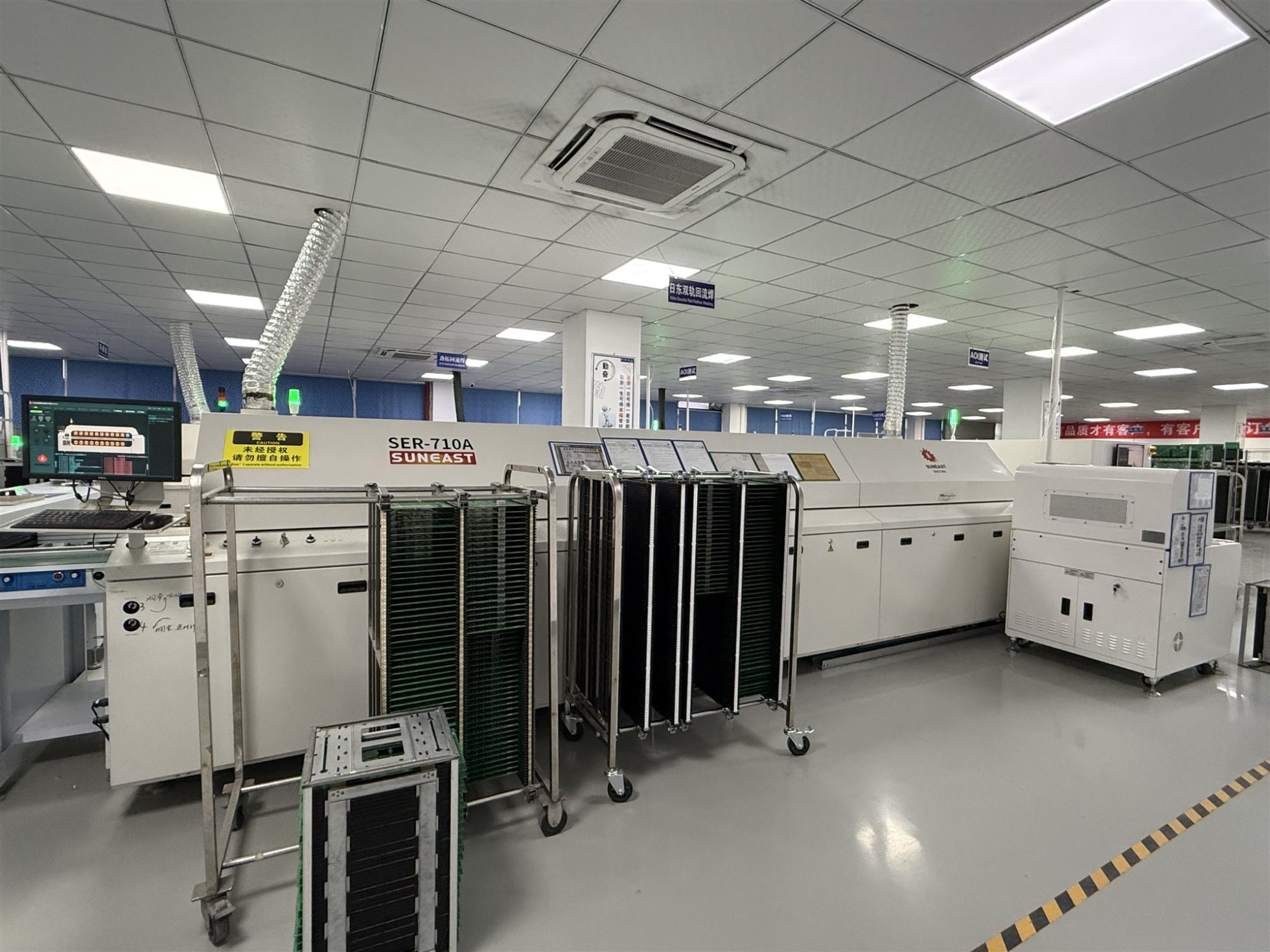
Freeze the production baseline
PCB, BOM, CPL, drawing, firmware and test procedure must identify the accepted revision.
Plan supply before the line
Forecasts, release quantities, long-lead parts and approved alternates shape purchasing and delivery.
Measure quality through the route
First article, process controls, inspection, test and final records follow defined acceptance criteria.
Production readiness gate
Move to high-volume assembly only after the product baseline is stable
A functional prototype proves that a design can work. It does not automatically prove that the design, BOM, process and test plan are ready for repeat production.
| Readiness area | Evidence before release | Risk if incomplete |
|---|---|---|
| Design release | Matching PCB, BOM, CPL, drawing and approved ECO history | Wrong revision or uncontrolled rework |
| Component plan | Exact MPNs, lifecycle review, approved alternates and forecast | Shortage, excess inventory or unauthorized substitution |
| Assembly process | Validated stencil, program, profile, work instructions and panel strategy | Repeated solder or placement defects |
| First article | Defined checks, records and approval hold point | Setup error continues through the production lot |
| Test coverage | Fixture, firmware, method, limits, sampling or unit-level rule | Defects escape or good units are rejected |
| Traceability | Lot, serial, component and record requirements | Weak containment when a problem is found |
| Delivery plan | Release quantities, dates, packaging and logistics assumptions | Material and capacity plan does not match demand |
For a first engineering build, use prototype PCB assembly. For several models or recurring short lots, use low-volume high-mix assembly.
Supply and release planning
Connect the forecast, BOM and production release schedule
High-volume pricing and delivery depend on how material is purchased and consumed across releases. A yearly forecast without committed release quantities is not the same as a purchase plan.
| Planning input | Decision it supports | What to provide |
|---|---|---|
| Forecast | Capacity and long-lead risk visibility | Expected demand by month or quarter and confidence range |
| Firm release | Material purchase and production commitment | Quantity, required date and delivery split |
| Approved BOM | Original component sourcing and price basis | Exact MPN, manufacturer, alternates and substitution authority |
| Lifecycle/PCN risk | Continuity plan | Critical parts, last-time-buy exposure and requalification route |
| Inventory ownership | Liability and excess handling | Customer-owned, OrinewPCB-owned or consigned material rules |
| ECO timing | Disposition of work-in-process and purchased stock | Effective lot, affected inventory and approval record |
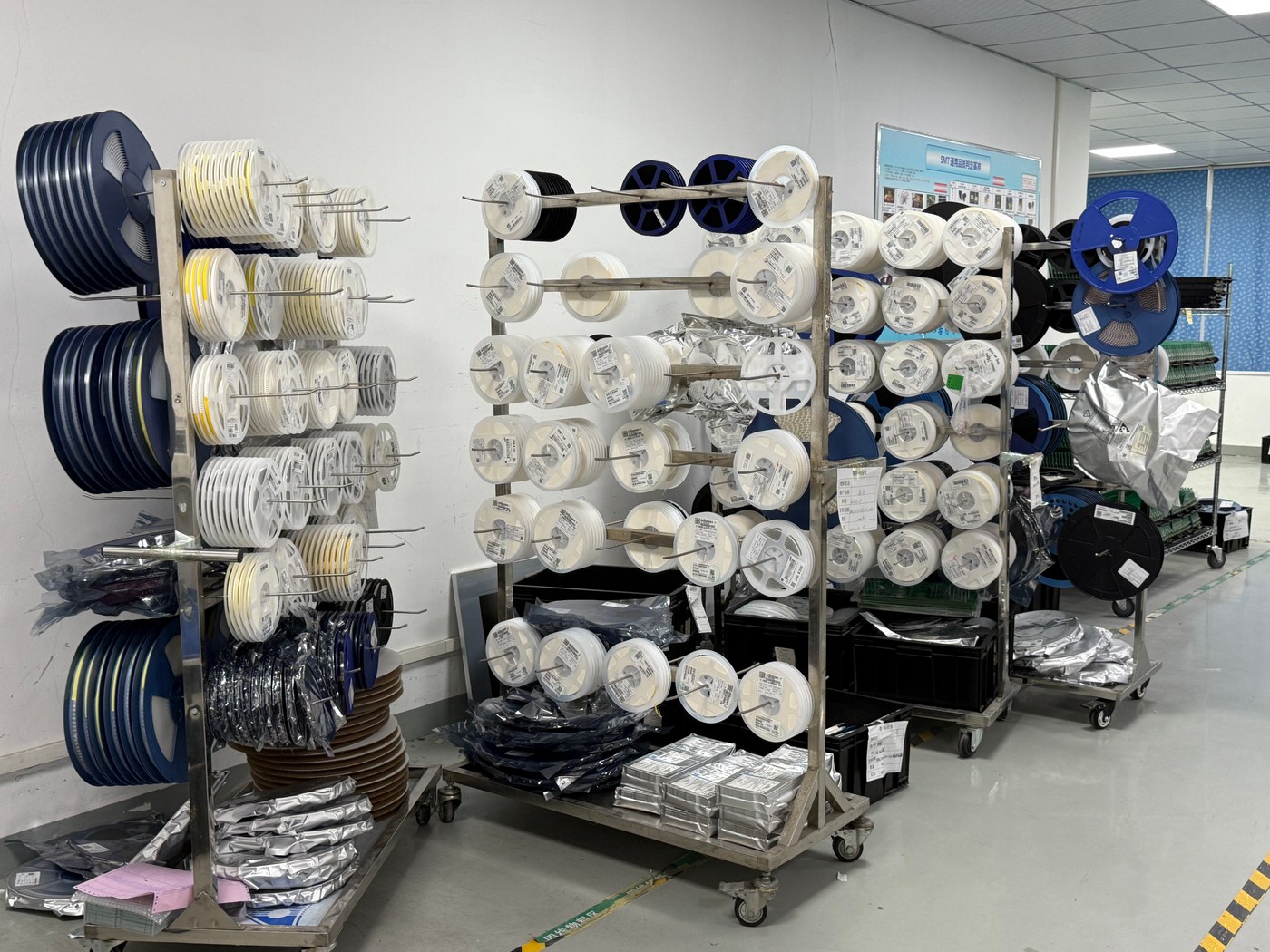
Original parts remain a production requirement
OrinewPCB's sourcing policy is 100% new and original components. Manufacturer and established distributor relationships can support competitive pricing and lead-time visibility, but availability does not override technical approval.
Any alternate needs the released substitution route, including package, pinout, electrical behavior, lifecycle and application risk. The turnkey PCB assembly service coordinates PCB and component purchasing with the assembly schedule.
One-stop production control
Plan fabrication, assembly and test as one production system
A bare PCB change can alter assembly yield; a component change can alter stencil, placement, soldering or test behavior. One-stop review reduces handoffs between suppliers and makes change responsibility clearer.
PCB fabrication
Control stackup, finish, panel, drill and critical fabrication characteristics under the released drawing.
Automated and mixed assembly
Use the validated SMT, reflow, through-hole and manual-operation route. See automated PCB assembly for equipment-focused planning.
Inspection and testing
Apply the agreed optical, hidden-joint, electrical and functional coverage with defined records and disposition.
Speed follows release quality
The earliest practical schedule is confirmed after materials, capacity, tooling, process validation and test preparation are aligned. An incomplete release can create more delay than the assembly cycle itself.
Nine-step quality framework
Use quality gates before, during and after assembly
OrinewPCB's nine-step framework connects release review, PCB DFM, component source review, incoming material control, first article, placement and soldering control, optical or hidden-joint inspection, electrical or functional test, and final release. The exact coverage is specified for the product.
-
Release review
Confirm the controlled production baseline.
-
PCB DFM
Resolve board and panel risks before fabrication.
-
Source review
Verify exact parts, channels and alternates.
-
Incoming control
Check boards, components and identification.
-
First article
Verify setup before the remaining lot proceeds.
-
Process control
Maintain placement, soldering and work instructions.
-
Inspection
Apply visual, AOI and X-ray where appropriate.
-
Electrical/function test
Use defined fixtures, firmware and limits.
-
Final release
Review records, identity, quantity and packaging.
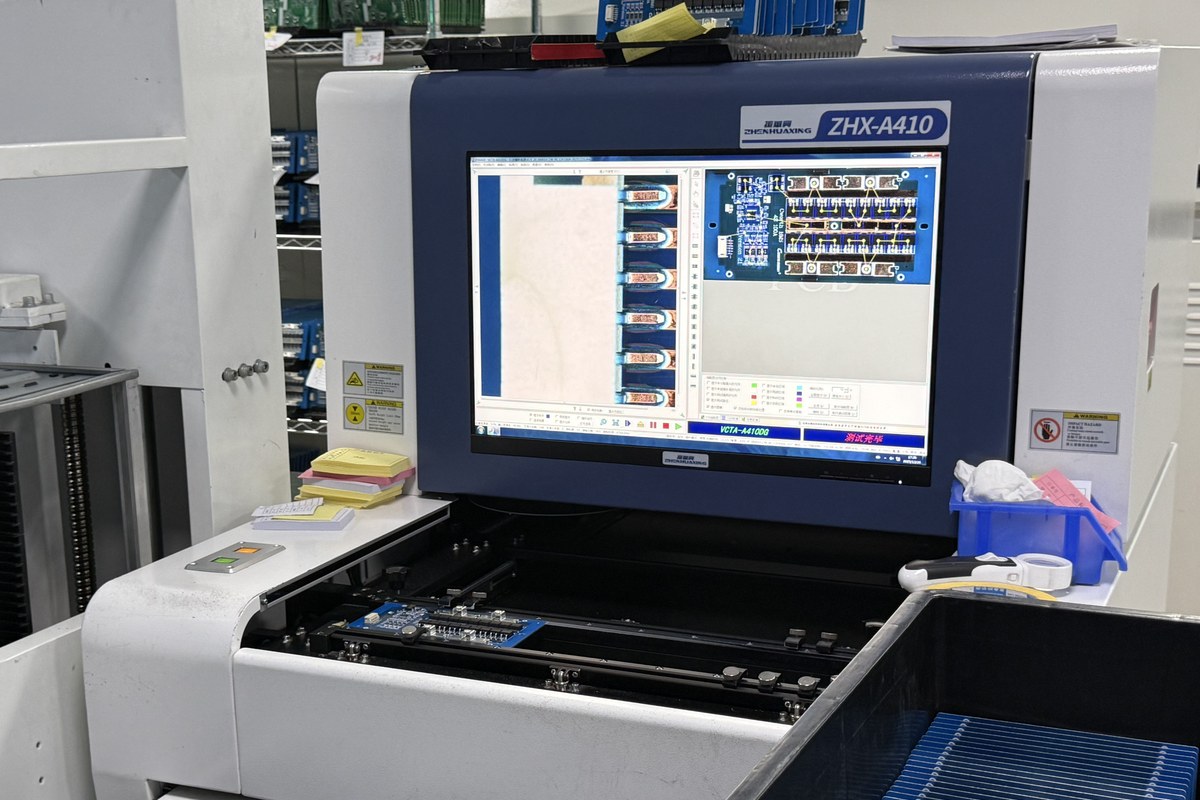
Define coverage, not only equipment names
AOI evaluates visible placement and solder features. X-ray may support selected hidden joints. ICT and functional test need access, fixture design, firmware, operating conditions and pass/fail limits.
State whether coverage is unit-level or sampled, what records are required, and how nonconforming and reworked units are re-inspected and retested.
Cost and efficiency
High-volume cost improves through stability, not quantity alone
More units can spread one-time setup and tooling, but material, test time, manual work, scrap risk and delivery structure still determine total cost.
- Freeze the released BOM and approved alternates.
- Design panels for fabrication and assembly efficiency.
- Validate stencil, profile, placement and work instructions.
- Automate only where the process and demand justify it.
- Match test coverage to product risk and field cost.
- Plan delivery releases to avoid excess and shortages.
Compare quotations on the same scope
- Recurring PCB and component cost
- Stencil, fixture and programming NRE
- Assembly and manual operations
- Inspection and test coverage
- Traceability and documentation
- Packaging, shipment and release schedule
- Inventory and ECO liability
Change management
Do not let an ECO bypass the production baseline
Every engineering change needs an effective point and a disposition for purchased material, bare boards, work-in-process and finished goods.
Before purchase
Update the BOM, drawings and alternates before long-lead material is committed.
During production
Identify affected lots, stop or segregate work where necessary, and release revised programs and instructions.
After assembly
Define rework, reinspection, retest, relabeling and record updates before changed units are accepted.
Scale with evidence
Use production data to protect yield and delivery
Repeat production creates useful evidence only when lots, revisions and process conditions remain traceable. Review trends before they become line stops or field problems.
Monitor material and process signals
Track shortage exposure, first-pass results, recurring inspection findings, rework causes and test failures by lot and revision. A changing trend can indicate a component, stencil, profile, fixture or documentation issue.
Contain before continuing
When an abnormal result appears, define the affected lots, stop point, inspection boundary and approval authority. Production speed should not move questionable units beyond the point where containment remains practical.
Release the correction
Update controlled files, programs, instructions and acceptance evidence before restarting. Confirm whether existing inventory, work-in-process and finished units need reinspection, rework or retest.
Common questions
High-volume PCB assembly FAQ
What quantity is high volume?
There is no universal threshold. Board complexity, placement count, release size, repeat frequency and process stability matter more than one fixed number.
Should we order all components at once?
The purchasing plan should balance pricing and continuity against forecast uncertainty, lifecycle risk and inventory liability.
Can OrinewPCB manage scheduled releases?
Release planning can be evaluated from the forecast, firm quantities, material plan, capacity and requested delivery dates.
Is AOI enough for production quality?
No. AOI covers visible assembly features. Electrical and functional performance need their own defined test coverage.
How are substitutions controlled?
Exact MPNs and approved alternates are released in the BOM. Other changes require the agreed engineering approval route.
How is lead time confirmed?
The earliest practical schedule follows PCB fabrication, component readiness, tooling, capacity, process validation and test preparation.
Production quotation
Send the validated release, forecast and delivery plan
Provide Gerber or ODB++, drill data, BOM, CPL, assembly drawing, firmware, test plan, first-order quantity, forecast, release schedule, approved alternates and traceability requirements.
Submit the controlled production package for fabrication, sourcing, assembly and test review. The quotation can then define recurring cost, NRE, material assumptions, quality scope and schedule basis.
Production review package
- Accepted design and ECO history
- Exact BOM and alternates
- Validated assembly inputs
- Forecast and firm releases
- Test coverage and records
- Traceability and packaging
Latest Blog



Contact Info
Phone: +86-755-82882936
Email: [email protected]
WhatsApp: +86-13570802455
Wechat: +86-13570802455
Address: 2nd floor,D Bldg.,Electric Link Technology Bldg.,Gongming,Guangming New Dist.,518106 Shenzhen, China
