
OrinewPCB integrated supply and manufacturing
One-Stop PCB Assembly Services
One-stop PCB assembly places PCB fabrication, electronic component sourcing, SMT and through-hole assembly, programming, inspection and agreed testing under one coordinated manufacturing scope. OrinewPCB focuses on high-mix, low- and medium-volume programs that need clear ownership across many parts, variants and revisions.
For material we source, OrinewPCB uses 100% new, original components. Our manufacturer and distributor cooperation supports competitive material pricing, availability checks and practical lead-time planning. A nine-step quality workflow protects the released build while engineering and purchasing work toward the earliest responsible delivery.

Choose clear ownership
What can a one-stop PCB assembly partner manage?
The value is not a longer list of services. It is one controlled data path connecting engineering decisions, component supply, production and quality evidence. The exact responsibility model should be agreed in the quotation.
| Responsibility model | OrinewPCB manages | Customer manages | Best fit |
|---|---|---|---|
| Full turnkey | PCB fabrication, BOM sourcing, assembly, agreed programming/test and release | Released product data, technical decisions and acceptance criteria | Teams seeking one manufacturing and supply interface |
| Partial turnkey | Agreed PCB, components, assembly and quality scope | Selected strategic, programmed or restricted components | Products with customer-controlled items or existing stock |
| Consigned assembly | Receiving, assembly and agreed inspection/test | PCB and components, including quantity and material condition | Teams that retain purchasing responsibility |
When the first objective is design learning, use prototype PCB assembly to stabilize the baseline. When the entire package is released and time-critical, the quick-turn PCB assembly service evaluates what can safely run in parallel.
Built for variation
Why high-mix, low- and medium-volume programs benefit from one coordinated workflow
Multiple product variants can share a PCB outline, common components or test resources while retaining different placement data, firmware and DNP rules. If those differences live only in email, the risk of mixed revisions increases. OrinewPCB creates a manufacturing baseline for each build and separates the common supply plan from variant-specific instructions.
Variant and revision control
The release package should identify the assembly part number, PCB revision, BOM revision, placement revision, firmware and quantity for every variant. A change after release requires an explicit disposition; it is not silently folded into the production data.
Common-material planning
Approved common components can be grouped by manufacturer part number and demand, helping purchasing evaluate price breaks and stock without confusing allocation between products. Unique items remain tied to their own variant and approved substitution rules.
Changeover-aware scheduling
Panel design, feeder setup, stencil use, first-article checks and test changeovers influence the practical sequence. Grouping compatible builds can improve efficiency, but each variant still receives its own traceable release and evidence.
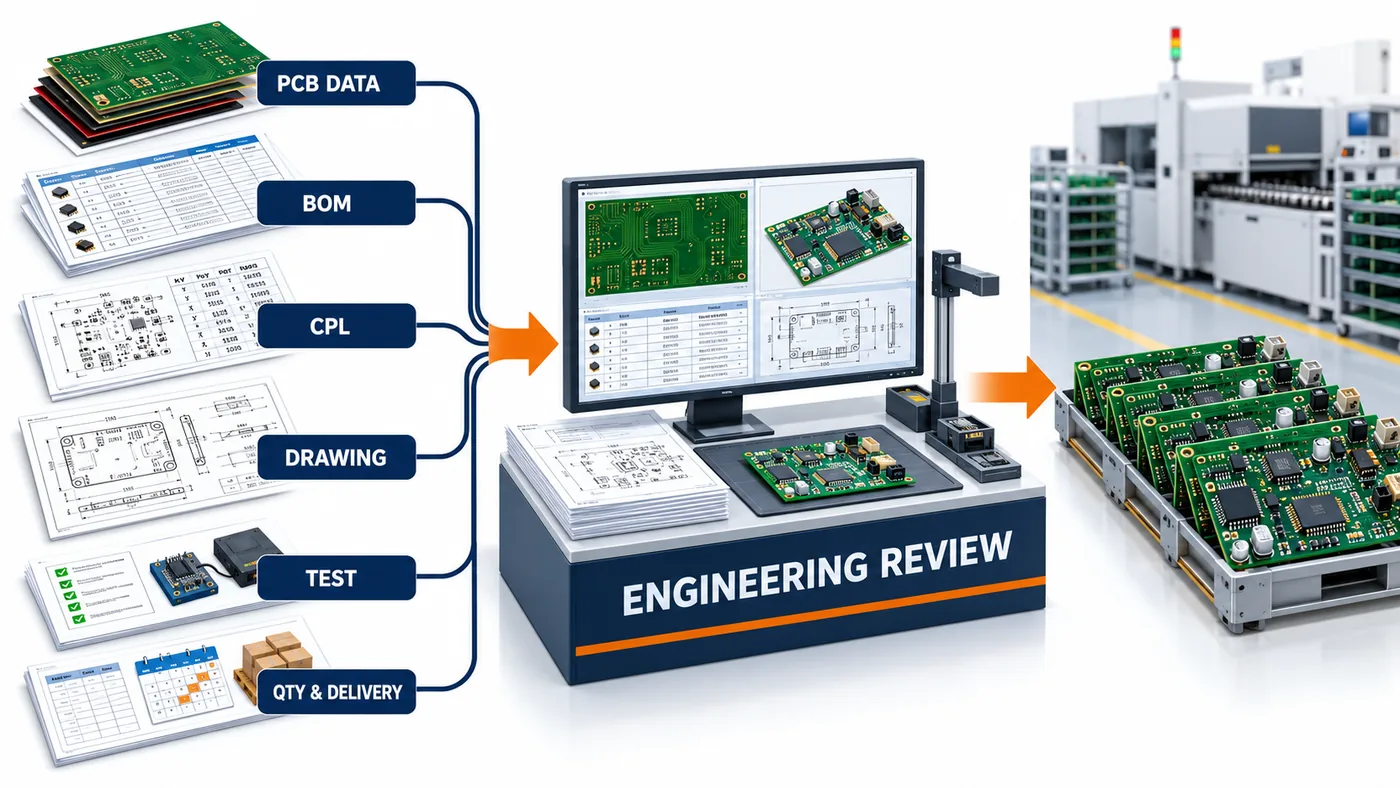
If the program is stable and recurring, compare the integrated scope with turnkey PCB assembly. The terms often overlap; the important distinction is the written responsibility, sourcing and test scope for the actual order.
Supply integrity and commercial control
Original component sourcing with price and delivery visibility
Electronic component availability can dominate both cost and schedule. OrinewPCB combines engineering BOM review with sourcing through manufacturer and distributor relationships, while keeping approval decisions visible to the customer.
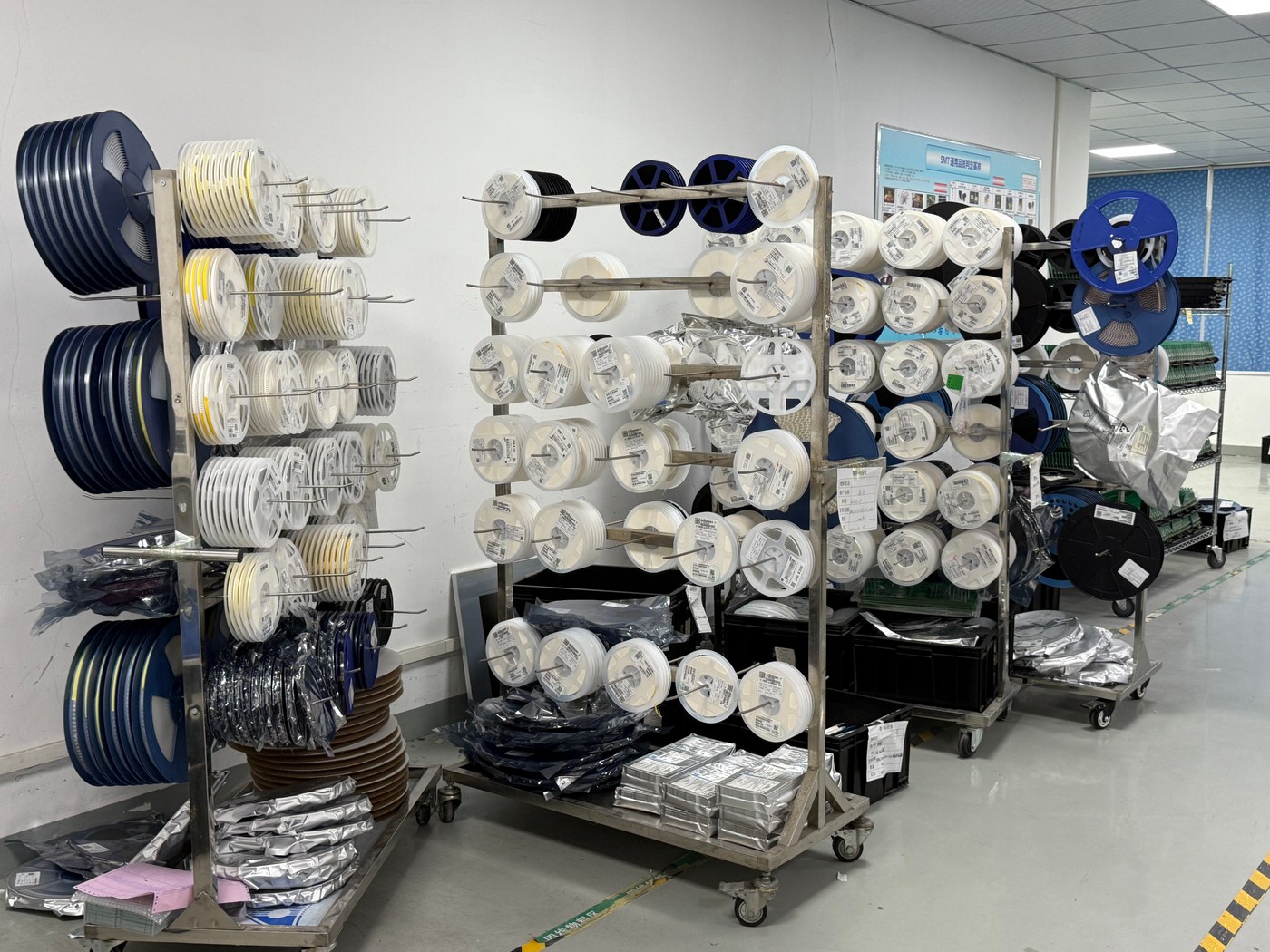
100% new, original supplier-sourced parts
The requirement applies to components OrinewPCB purchases for the order. Exact manufacturer part numbers are the baseline. Records are retained according to the agreed scope, and a proposed alternate is not installed without the required technical approval.
Competitive pricing without hiding tradeoffs
Manufacturer and distributor cooperation can reveal stock options, price breaks and delivery choices. We compare these against quantity, lifecycle status and approved channels. A lower line-item price is not useful if it introduces uncertain identity, an unapproved part or a schedule conflict.
Shortage and lifecycle decisions
For an unavailable or obsolete item, the options may include an approved cross, customer-supplied stock, a design change or a revised schedule. OrinewPCB presents the constraint and evidence so the customer can own the product decision.
Quality designed into the order
The OrinewPCB nine-step quality and test workflow
The workflow creates control points from data receipt to shipment release. Specific equipment and test coverage depend on the board, component packages, access, fixtures, firmware and customer acceptance requirements.
| Step | Control purpose | Typical evidence or decision |
|---|---|---|
| 1. Build-data and revision review | Confirm the governing PCB, BOM, placement, drawing and test revisions | Released manufacturing baseline and open-question list |
| 2. Source and material identity verification | Match sourced material to approved manufacturer part numbers | Supplier and part identity records within the agreed scope |
| 3. Incoming PCB and component inspection | Check condition, identification, quantity and defined incoming attributes | Receiving result and disposition of exceptions |
| 4. Process setup verification | Confirm stencil, solder paste, programs, feeders and critical settings | Approved setup before the batch proceeds |
| 5. First-article verification | Compare the initial assembly with released data and critical features | First-article result or corrective action |
| 6. AOI or visual inspection | Check visible programmed or documented assembly attributes | Inspection results within the selected method’s capability |
| 7. X-ray where specified or appropriate | Evaluate selected hidden solder joints and package features | Images or pass/fail result under agreed criteria |
| 8. Electrical or functional test as agreed | Verify defined connectivity or product functions | Test record using supplied access, firmware, fixtures and limits |
| 9. Final quality and release review | Confirm quantity, findings, required records and shipment status | Release decision and agreed delivery documentation |
AOI, X-ray and functional test are complementary rather than interchangeable. Read the AOI inspection guide for the limits of optical coverage. Send the board package and acceptance requirements for a scope-specific quality plan.
A quote that explains the drivers
How one-stop assembly can improve cost and delivery control
Consolidating fabrication, sourcing and assembly can reduce duplicate handling and shorten communication paths. It also gives one team visibility into interactions that are easily missed when separate suppliers optimize only their own step.
- PCB design and panel efficiency: outline, array, stack-up, finish and special requirements affect fabrication and assembly together.
- BOM quality: exact MPNs and approved alternates reduce sourcing ambiguity and expedite fees.
- Quantity and variant mix: common setup can be shared where technically appropriate, while unique changeovers remain visible.
- Test readiness: released fixtures, firmware and limits prevent late engineering work from becoming an unplanned bottleneck.
- Decision speed: a named technical approver helps resolve DFM and shortage questions while the options are still actionable.
OrinewPCB aims for competitive pricing and the earliest practical delivery, but confirms both against current supply and manufacturing facts. A responsible quotation separates assumptions, included test coverage, customer-supplied items and unresolved risks.
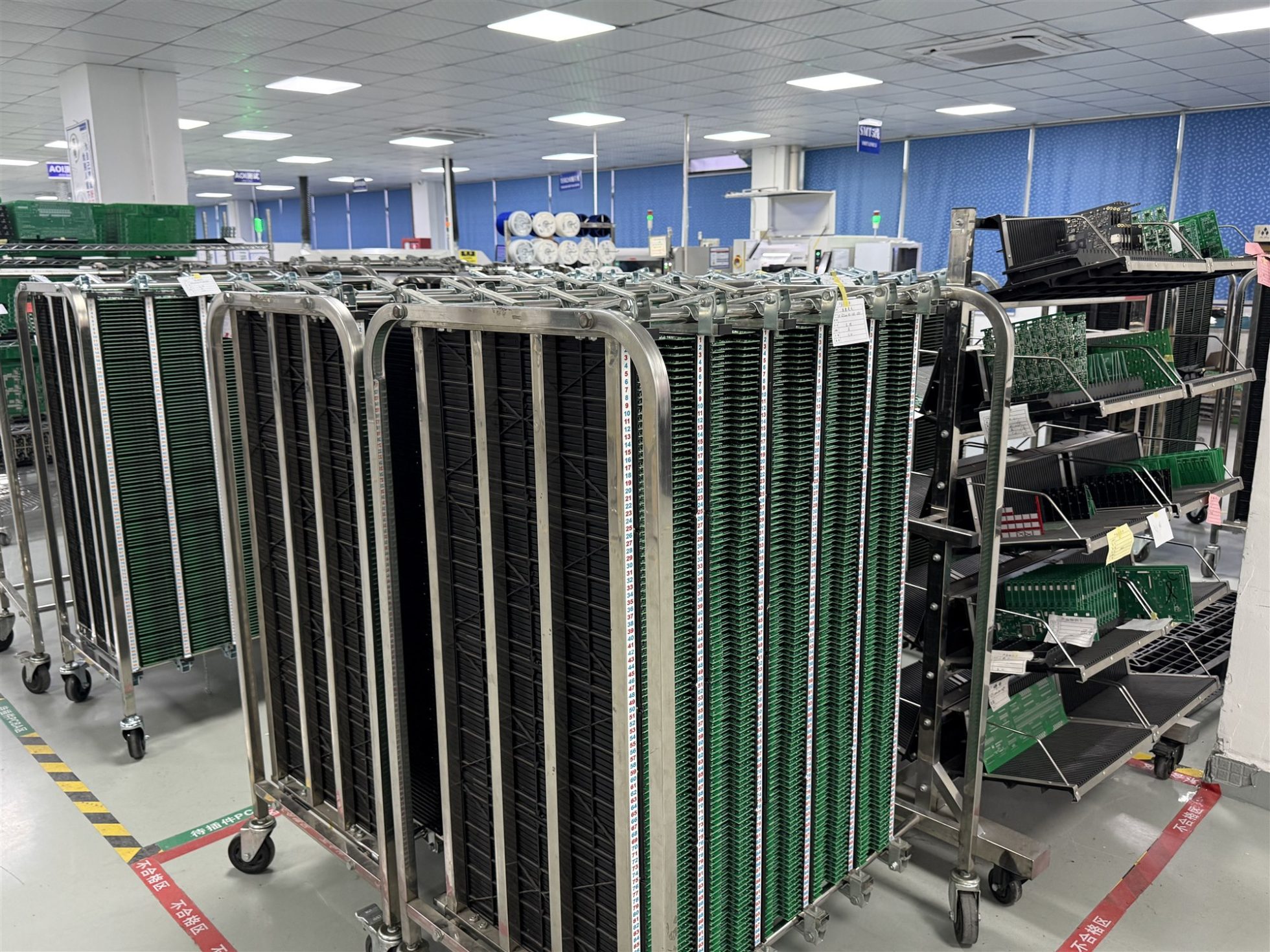
Start with a complete release package
What to send for a one-stop PCB assembly quotation
PCB and assembly data
Include Gerber or ODB++, drill files, stack-up, BOM, centroid file, assembly drawing, revision IDs, panel requirements and quantity by variant.
Supply decisions
Identify exact MPNs, approved alternates, lifecycle concerns, consigned items, strategic components and any required supplier documentation.
Programming and quality
Define firmware, programming interface, inspection records, fixtures, test method, pass limits and critical product functions.
Add the delivery location, target timing and forecast if the build may repeat. OrinewPCB will review the package, identify questions and return a defined manufacturing, sourcing, quality and schedule scope. Submit the files when you are ready for an engineering-reviewed one-stop assembly proposal.
Frequently asked questions
One-stop PCB assembly FAQ
What is included in one-stop PCB assembly?
The reviewed scope can include PCB fabrication, BOM review, original component sourcing, SMT and through-hole assembly, programming, inspection, agreed electrical or functional testing and shipment release. The quotation identifies what is included for the specific product.
Is one-stop assembly suitable for high-mix, low-volume orders?
Yes. A coordinated workflow is especially useful when several variants, frequent revisions or small-to-medium quantities share materials and manufacturing resources. A clear variant matrix and controlled files are essential.
Are all components new and original?
For material sourced by OrinewPCB, the sourcing requirement is 100% new, original components. Exact manufacturer part numbers, traceable supplier records and approved substitution rules are reviewed. Customer-supplied material is received under a separate consignment scope.
How does OrinewPCB control component price and lead time?
Deep cooperation with manufacturers and distributors helps OrinewPCB compare authorized supply, availability, price breaks and delivery. The result is quoted against the current BOM and quantity; it is not a blanket promise that every part will be cheapest or immediately available.
What does the nine-step quality process include?
It includes data and revision review, source and material identity verification, incoming inspection, process setup verification, first-article verification, AOI or visual inspection, X-ray where appropriate, agreed electrical or functional testing, and final quality release.
Can we supply some components ourselves?
Yes. A partial-turnkey model can separate consigned and OrinewPCB-sourced parts. Packaging, moisture sensitivity, quantities, attrition allowance and identification requirements should be agreed before delivery.
How is delivery time confirmed?
OrinewPCB reviews PCB construction, component stock, quantity, variant mix, engineering questions, fixtures and test scope, then confirms the earliest practical schedule. File readiness and timely approvals have a direct effect on delivery.