
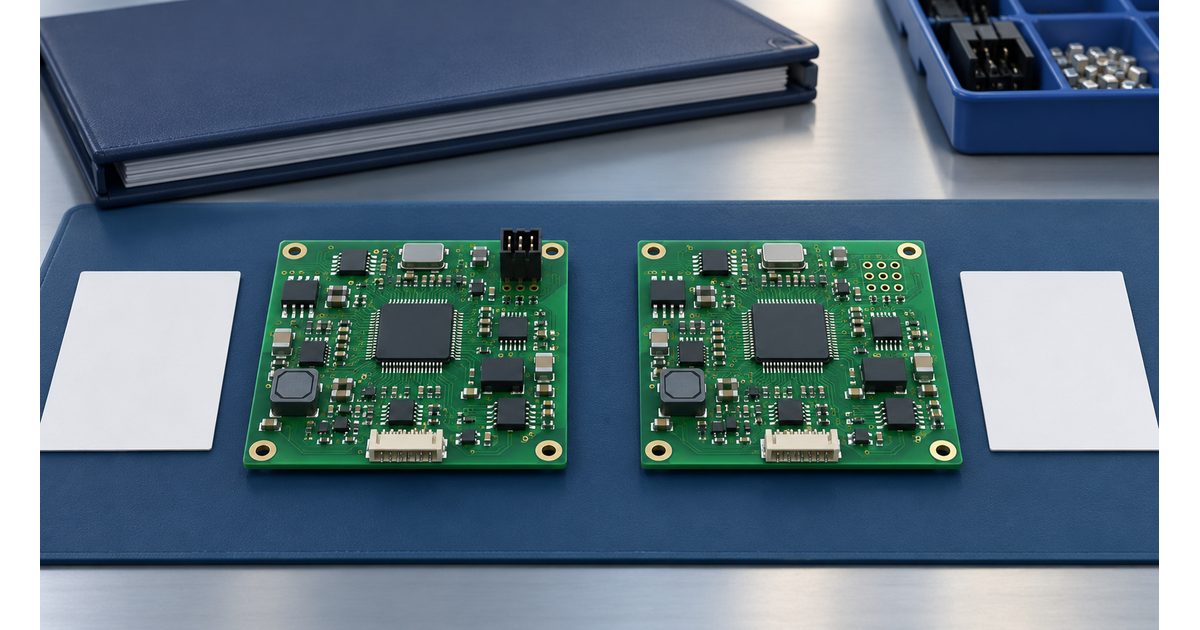
PCB fabrication · components · assembly · test scope
PCB Assembly Quote and Cost Review
A useful PCB assembly quote is a controlled estimate of the complete build—not a unit price guessed from board size alone. It should define the PCB fabrication data, exact BOM, component sourcing model, placement files, assembly process, quantities, variants, inspection and test requirements, packaging and requested delivery plan.
OrinewPCB reviews these inputs as one coordinated PCBA project. Our sourcing policy uses 100% new and original components, while manufacturer and distributor relationships help us evaluate competitive material pricing and availability. The quotation confirms included scope, open assumptions and the earliest practical schedule after the files and supply position are checked.
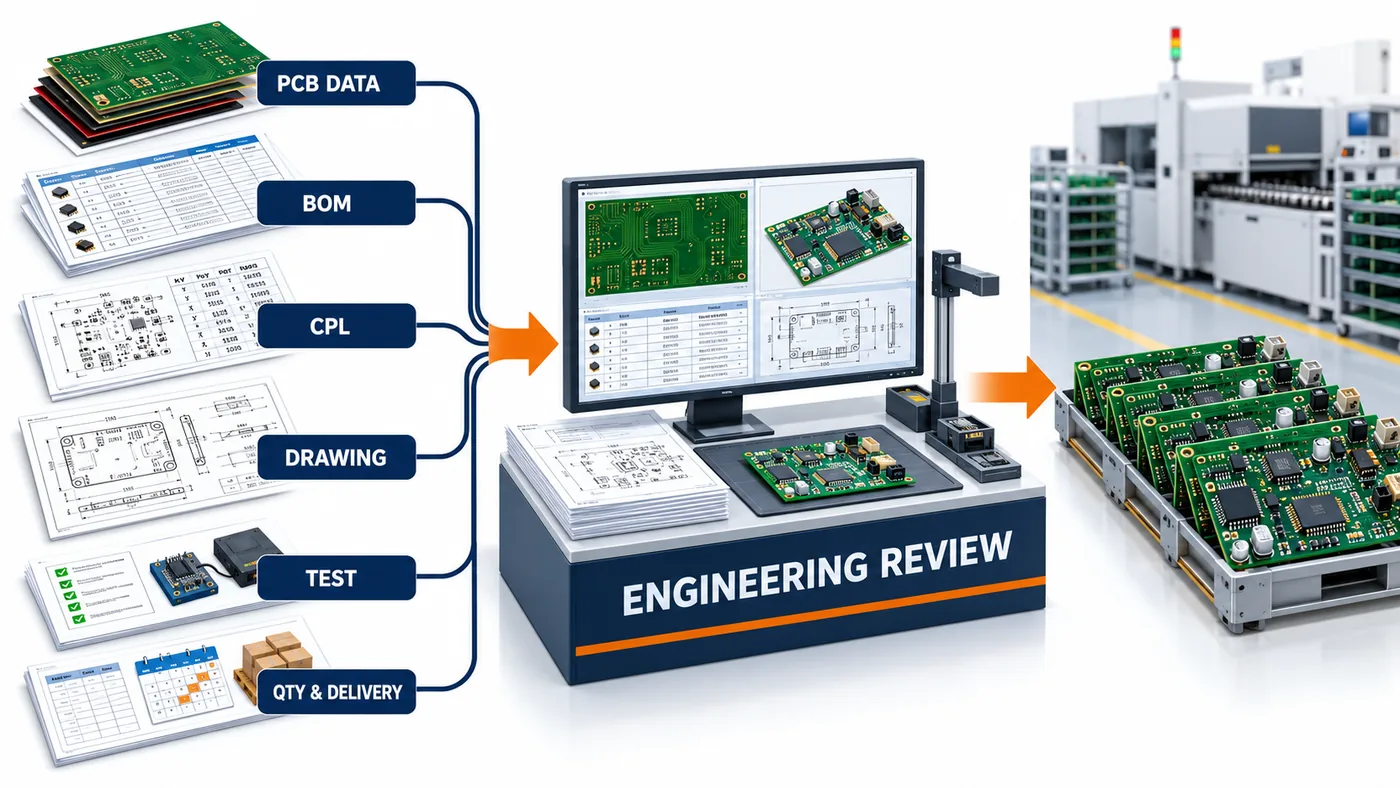
Quote the released revision
Gerber or ODB++, BOM, placement data and drawings must identify the same design release.
Separate one-time and recurring cost
Tooling, programming and fixtures should not be confused with recurring board and assembly cost.
Confirm scope before schedule
PCB complexity, component availability, process route and testing determine the earliest practical delivery.
Submit for engineering review
Start with the files that control the build
Upload the available manufacturing package and describe the quantity, variants, test needs and target delivery. If a file is not released yet, identify it as pending instead of sending an obsolete version.
Recommended upload set
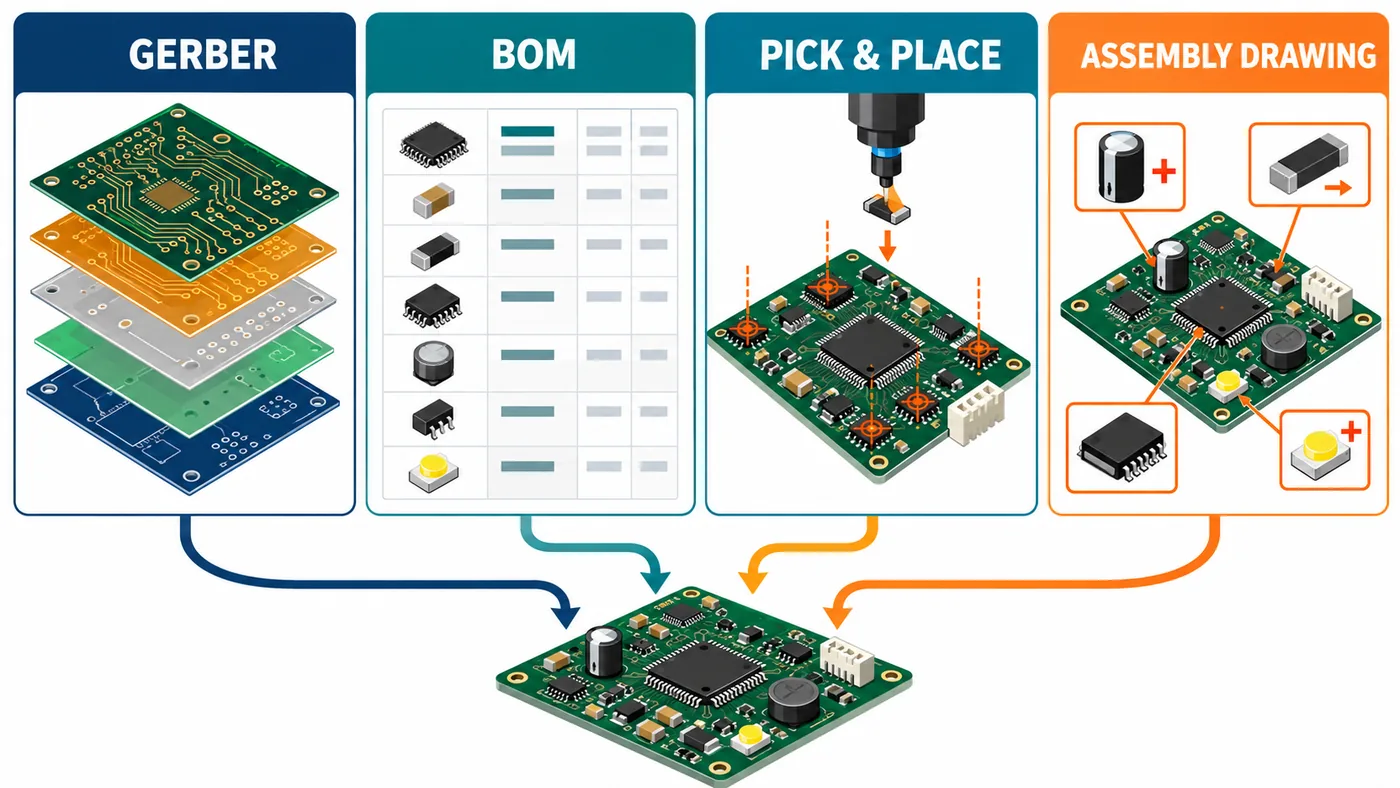
Gerber or ODB++, NC drill, BOM, pick-and-place/CPL, assembly drawing, quantity by variant, test or programming requirements, approved substitution rules and delivery notes.
The form can accept multiple files. Do not include passwords, financial information or unrelated personal data in the upload package.
RFQ completeness
Files required for an accurate PCB assembly quotation
Each file answers a different manufacturing question. A screenshot, schematic PDF or BOM without manufacturer part numbers cannot replace the full package.
| Input | Minimum useful content | Quotation decision |
|---|---|---|
| Gerber/ODB++ and NC drill | All copper, mask, legend, outline and drill data from one release | PCB construction, panel planning and fabrication DFM |
| BOM | Reference, value, footprint, manufacturer, exact MPN, quantity and alternates rule | Original component sourcing, availability and material cost |
| Pick-and-place/CPL | Reference, X/Y, rotation and side | Programming, placement count and setup |
| Assembly drawing | Polarity, pin 1, DNP, connectors, special processes and revision | First-article and manual-operation review |
| Quantity and variants | Boards per revision or population option, including forecast if known | Setup allocation, purchasing and production release plan |
| Test/programming package | Method, fixtures, firmware, operating conditions, limits and required records | Feasibility, engineering effort and unit or sample coverage |
| Delivery and quality notes | Requested dates, packaging, traceability and applicable acceptance requirements | Schedule basis, documentation and logistics scope |
Use one revision identifier everywhere
Revision mismatches cause more risk than a missing marketing specification. Put the same board and assembly revision on the fabrication data, BOM, placement file, drawing and test procedure.
For a fully managed purchasing route, review the turnkey PCB assembly service. For early functional quantities, the prototype PCB assembly page explains the first-build handoff.
Cost structure
What determines PCB assembly cost?
The BOM often dominates recurring cost, while setup, programming, stencils and fixtures matter more at low quantity. Testing and manual operations can outweigh placement time on complex assemblies.
| Cost factor | Why it changes price | How to improve quotation quality |
|---|---|---|
| PCB construction | Layer count, materials, finish, drill and geometry affect fabrication route | Release the actual stackup and fabrication notes |
| Component BOM | Exact MPN, availability, MOQ, packaging and approved alternatives affect purchasing | Use exact manufacturer part numbers and controlled alternates |
| Setup and NRE | Stencil, programs, feeders, work instructions and fixtures are prepared per configuration | Separate one-time charges from recurring unit cost |
| Assembly operations | SMT, through-hole, selective soldering, wiring, press-fit and hand work use different routes | Show every special process on the assembly drawing |
| Inspection and testing | AOI, X-ray, programming, ICT and functional testing require different inputs and equipment | Define coverage, limits, fixtures, firmware and evidence |
| Quantity and releases | Lot size changes setup allocation, material purchasing and production scheduling | Provide first order, repeat quantity and delivery split |
| Change risk | Late ECOs can strand material and invalidate programs or documentation | State the change-control and substitution approval route |
No universal online calculator can confirm the final cost of a custom PCBA without the released design and scope. Compare suppliers using the same files, quantity, sourcing model and test requirements.
Quotation scope
Choose the production route before comparing prices
Prototype assembly
Use for design verification, engineering feedback and first functional builds where changes may still occur.
Low-volume high-mix
Use for multiple variants, frequent changeovers, controlled revisions and recurring small lots. Review low-volume high-mix assembly.
High-volume production
Use after the design, supply plan, process and acceptance criteria are stable. Review high-volume PCB assembly.
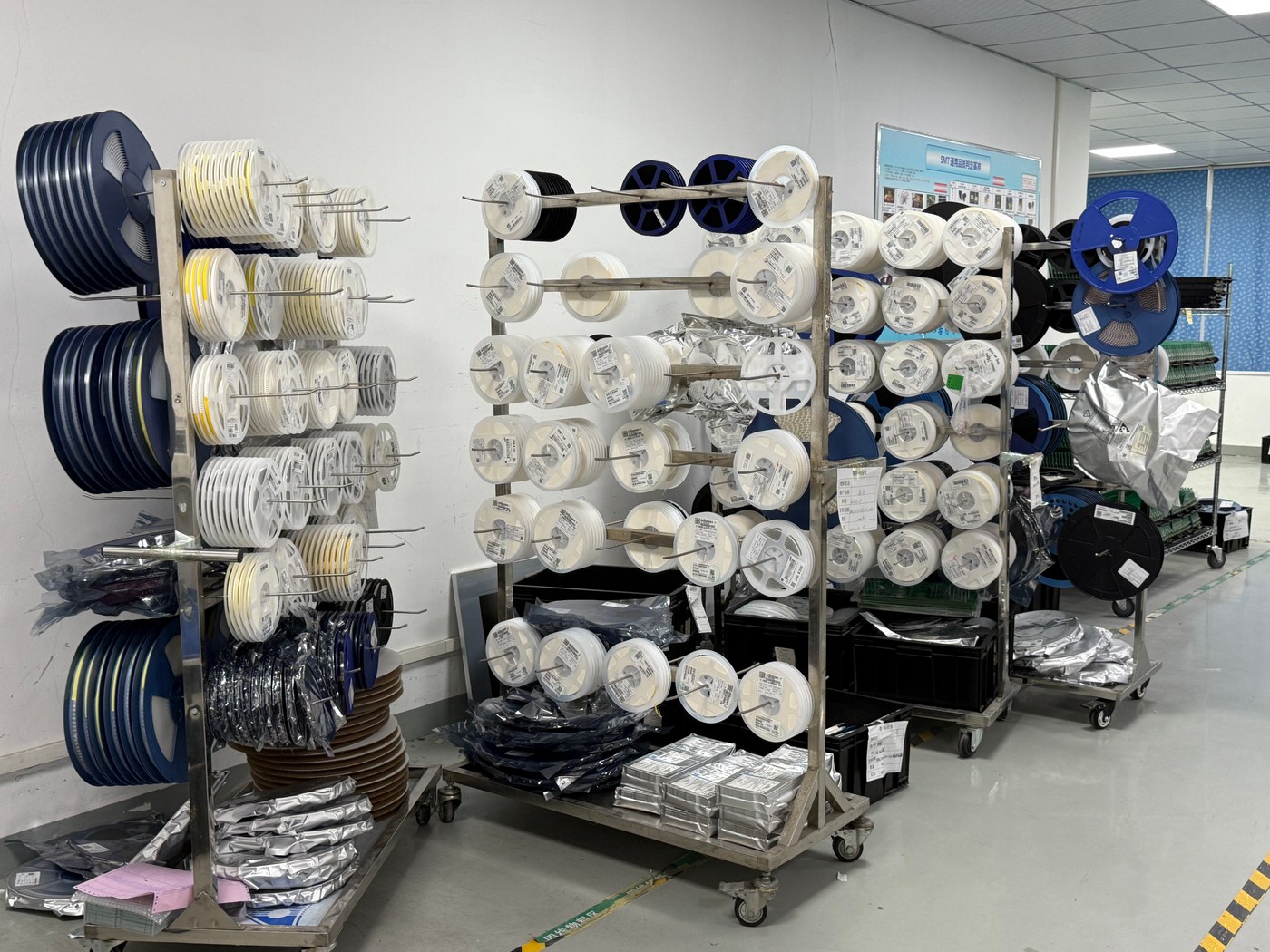
Original parts and controlled substitutions
OrinewPCB's sourcing policy is to use 100% new and original components. Manufacturer and established distributor relationships can improve price and delivery visibility, but a substitution is not approved merely because it is available.
Package, pinout, electrical behavior, lifecycle and application risk must be checked against the released BOM rules. If you will supply components, define packaging, quantity, moisture sensitivity, excess policy and arrival date.
Quality planning
The quote should define the nine-step quality and test framework
The quotation records which checks are included and which require project inputs. OrinewPCB's nine-step framework connects release review, PCB DFM, source review, incoming material control, first article, placement and soldering control, optical or hidden-joint inspection, electrical or functional test, and final release.
Not every test applies to every board
AOI checks visible assembly features; X-ray can evaluate selected hidden joints; ICT and functional tests require access, fixtures, firmware and pass/fail limits. The quote should state the applicable method and coverage rather than promise undefined “full testing.”
Quotation comparison
Compare PCB assembly quotations on the same technical scope
A low unit price is not meaningful if another quotation includes a different PCB specification, component source, inspection level or delivery assumption. Normalize the scope before choosing a supplier.
Confirm what is included
Separate PCB fabrication, components, stencil and tooling, assembly, programming, inspection, testing, packaging and freight. Identify one-time charges and recurring charges so future releases can be compared correctly.
Check the material basis
Verify exact manufacturer part numbers, approved alternates, source expectations, price-validity period and treatment of shortages. OrinewPCB's policy is to use 100% new and original components, with alternatives following the agreed approval route.
Read the schedule assumptions
Lead time normally begins after files, commercial terms and material decisions are complete. Confirm whether the quoted schedule includes PCB fabrication, component purchasing, first-article approval, testing and split deliveries.
Make the acceptance plan part of the quote
Specify polarity and workmanship checks, AOI or X-ray needs, electrical or functional test coverage, records, sampling and rework disposition. A clear acceptance plan reduces disputes and allows price, quality and delivery to be evaluated together.
Common questions
PCB assembly quote FAQ
Can you quote from only a BOM?
A preliminary material review may be possible, but an assembly quotation also needs fabrication data, placement data, quantities and the expected process and test scope.
Do you provide instant PCBA pricing?
Custom PCBA needs engineering and sourcing review. Automated estimates may help with simple inputs, but the confirmed price follows the released package and current supply position.
Can OrinewPCB source all parts?
Turnkey sourcing can be evaluated against exact MPNs, availability and approved substitution rules. Customer-supplied or mixed sourcing can also be reviewed.
What causes a quote to change?
Revision changes, quantity changes, BOM substitutions, material price movement, added test coverage and delivery changes can alter the quotation basis.
How is lead time confirmed?
The earliest practical schedule is confirmed after PCB construction, material availability, assembly route, capacity and test preparation are reviewed.
What is the fastest way to reduce questions?
Use one revision identifier, exact MPNs, explicit alternates, quantities by variant and a written acceptance plan.
Ready for review
Submit one controlled package for the complete PCBA
Provide PCB data, BOM, placement information, drawing, quantities, sourcing rules, test expectations and delivery notes. OrinewPCB will use them to review fabrication, original component sourcing, assembly, quality controls and schedule as one project.
Return to the upload form with the released build package so the quotation can distinguish confirmed scope from open assumptions.
Before you upload
- Remove obsolete revisions
- Use exact manufacturer part numbers
- Identify every variant and quantity
- State test inputs and pass/fail limits
- Mark approved alternates
- Include the target delivery plan