

Maker projects · prototypes · small-batch PCBA
Hobbyist PCB Assembly for Prototypes and Small Batches
Hobbyist PCB assembly is the practical next step when a project has moved beyond breadboards or hand-soldered boards and needs repeatable fabricated PCBs, controlled component sourcing, machine assembly and project-specific testing. It is best suited to released or nearly released designs—not early experiments that are still changing every day.
OrinewPCB can evaluate PCB fabrication, 100% new and original component sourcing, SMT and through-hole assembly, inspection, testing requirements and delivery as one coordinated build. The service is especially relevant to serious makers, engineering students, hardware teams and small businesses that need prototype or small-batch quantities without managing several suppliers. This approach reduces revision handoffs and gives one team responsibility for checking how the board, parts, assembly route and acceptance plan fit together.
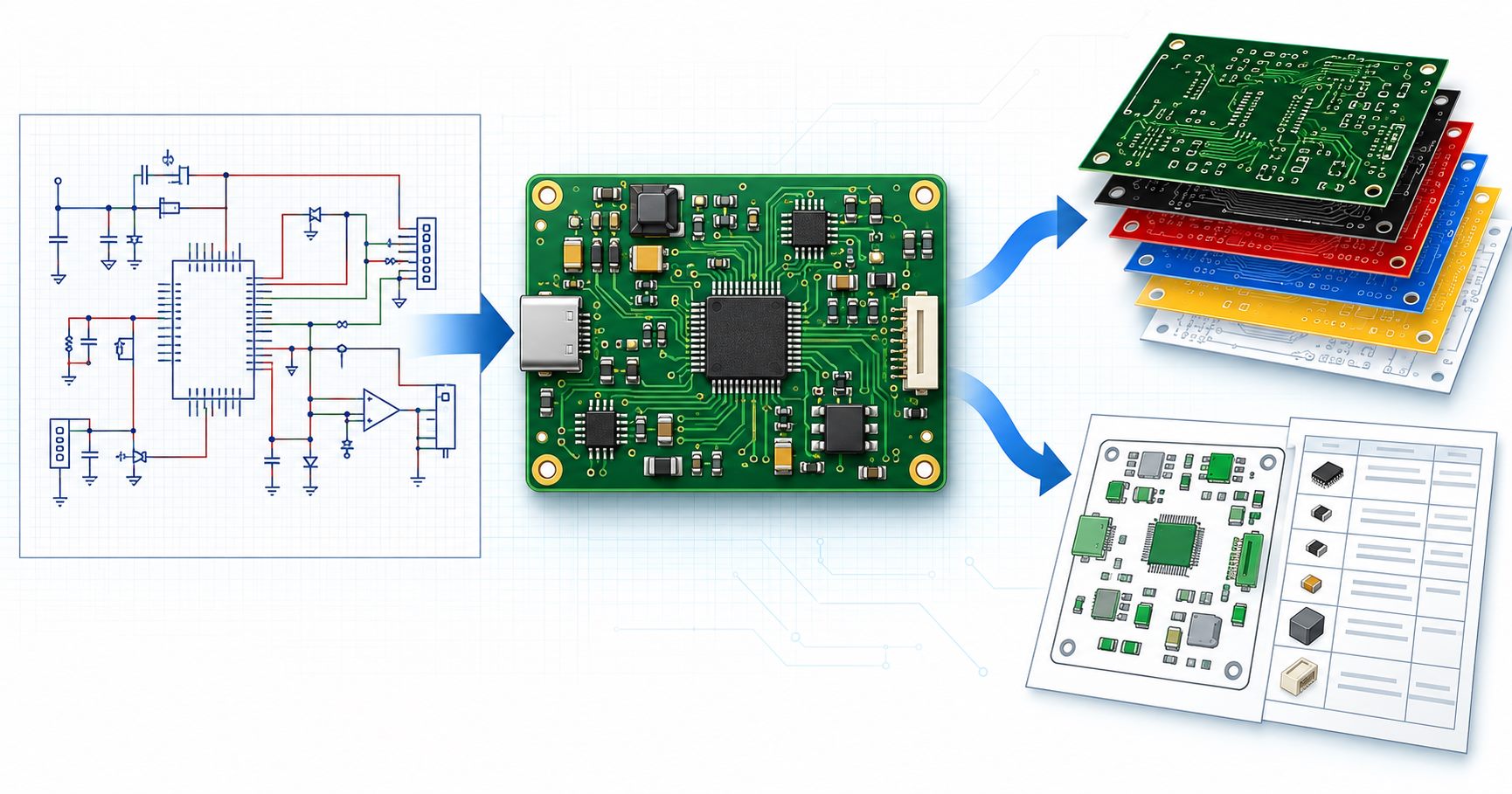
One coordinated build
PCB fabrication, BOM review, component sourcing, assembly and the agreed test scope are evaluated together.
Built for variety
The workflow supports prototype and small-to-medium batches, including multiple controlled board variants.
Quality before speed claims
Delivery is planned as early as practical after files, materials, process and test requirements are confirmed.
Build-route decision
Should you build the PCB yourself or outsource fabrication and assembly?
Keep a build in-house when learning and rapid manual changes matter more than repeatability. Outsource the board when you need plated holes, solder mask or controlled geometry. Choose one-stop PCBA when the design is stable enough that component sourcing, assembly quality and repeatable test evidence matter.
| Build route | Best fit | What you manage | Main trade-off |
|---|---|---|---|
| DIY board and hand assembly | Learning, proof-of-concept circuits and frequent manual changes | Board making, parts, soldering, rework and test | Fast learning, but limited repeatability and time-consuming builds |
| Professional bare PCB only | Stable board design with in-house soldering capability | BOM sourcing, assembly, inspection and test | Better PCB quality while assembly risk remains with your team |
| Consigned assembly | You already own controlled, traceable components | Approved parts, excess policy and complete kit readiness | More sourcing control, but shortages can stop the build |
| One-stop PCB assembly | Released prototypes, small batches and repeat orders | Controlled design files, approved BOM rules and test expectations | Less supplier coordination; the released package must be complete |
If your project needs only fabricated boards, start with the PCB manufacturing service. If you need boards, parts and assembly evaluated as one project, the one-stop route reduces handoffs and makes responsibility clearer.
One-stop project scope
What OrinewPCB can coordinate for a hobby or maker PCBA project
A complete build is more than placing components on a board. The fabrication data, BOM, approved sourcing rules, assembly method, inspection plan and test expectations must describe the same released revision.
PCB fabrication and DFM review
Gerber or ODB++, drill data, layer stack, dimensions, surface finish and special notes are checked before the board is released for production.
Original component sourcing
OrinewPCB’s sourcing policy is to use 100% new and original parts. Manufacturer and established distributor relationships help us evaluate availability, price and delivery while keeping substitutions subject to your approval.
SMT, through-hole and mixed assembly
The route can combine automated placement, reflow, through-hole operations and controlled hand work according to the actual package mix and quantity.
Variant and revision control
Population options, do-not-place items and board revisions need explicit identifiers so several project variants can be built without mixing configurations.
Inspection and test planning
AOI, X-ray, electrical, in-circuit or functional checks are selected only when they fit the board design, access and released acceptance criteria.
Coordinated delivery planning
Lead time is confirmed after PCB complexity, component availability, assembly route, test scope and quantity are reviewed. The goal is the earliest practical schedule, not an unsupported universal promise.
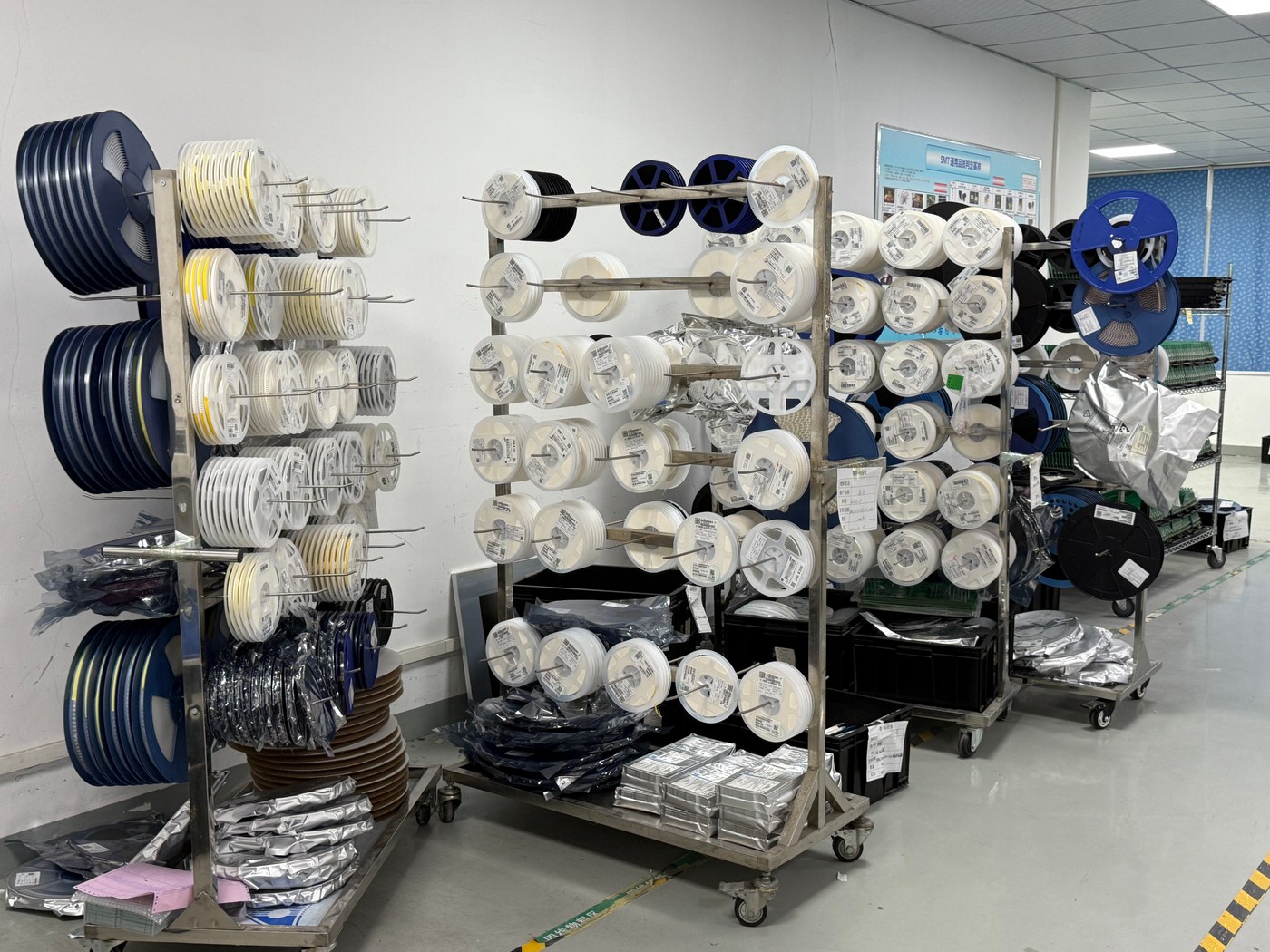
Why sourcing belongs inside the assembly plan
A hobby project can fail before assembly starts if the BOM uses obsolete, ambiguous or unavailable parts. Every line should include manufacturer, exact manufacturer part number, quantity per board and substitution instructions.
Deep manufacturer and distributor collaboration can improve purchasing leverage and material lead-time visibility, but the final price and schedule still depend on the released quantity, package, stock position and approved alternates. The turnkey PCB assembly service explains how PCB fabrication, BOM sourcing and assembly are managed together.
Quote-ready release package
Send a controlled file package, not screenshots and partial BOMs
A complete package reduces quotation assumptions and prevents the wrong revision, polarity or population option from reaching production. Use one revision identifier across fabrication, assembly and test files.
| Input | Minimum useful content | Decision it supports |
|---|---|---|
| Gerber or ODB++ and NC drill | All copper, mask, legend, outline and drill layers from the same release | PCB fabrication and DFM review |
| BOM | Reference, value, footprint, manufacturer, exact MPN, quantity and substitution rule | Original-part sourcing, availability and cost |
| Pick-and-place / CPL | Reference, X/Y location, rotation and board side | Machine programming and placement verification |
| Assembly drawing | Polarity, pin 1, DNP items, connectors, special parts and revision | First-article and manual-operation checks |
| Quantity and variants | Boards per revision, population option and any permitted build split | Panel, material and production planning |
| Test requirements | Test method, fixture or firmware needs, limits and acceptance evidence | Feasible inspection and test scope |
| Delivery and quality notes | Target date, packaging, traceability and applicable acceptance requirements | Schedule, documentation and quotation scope |
Ready for a manufacturing review?
When the design is stable, share the Gerber files, BOM, placement data, quantity and test expectations. OrinewPCB can then review fabrication, sourcing, assembly and test assumptions together before confirming the quote and earliest practical delivery plan.
Quality and verification
A nine-step quality and test control framework for small-batch PCBA
OrinewPCB applies a nine-step quality and test control framework to keep design data, materials, assembly and verification connected. The exact inspection or test methods are tailored to the project; not every board is suitable for every test.
-
Release review
Confirm revision alignment across Gerber or ODB++, BOM, CPL, drawings and test files.
-
PCB DFM check
Review fabrication geometry, drill, outline, finish and assembly-related board risks.
-
Component source review
Match MPNs, approved channels, package, lifecycle and substitution instructions.
-
Incoming material control
Check received boards and components against the released project requirements.
-
Process setup and first article
Verify stencil, feeder, polarity, orientation and representative first-board conditions.
-
Placement and soldering control
Run the approved SMT, reflow, through-hole and manual-operation route.
-
Optical and hidden-joint inspection
Use visual inspection, AOI and X-ray where the package and risk justify them.
-
Electrical or functional test
Apply ICT, programming, functional or customer-defined checks when inputs and access are available.
-
Final verification and release
Review workmanship, quantity, identification, agreed records and packaging before shipment.
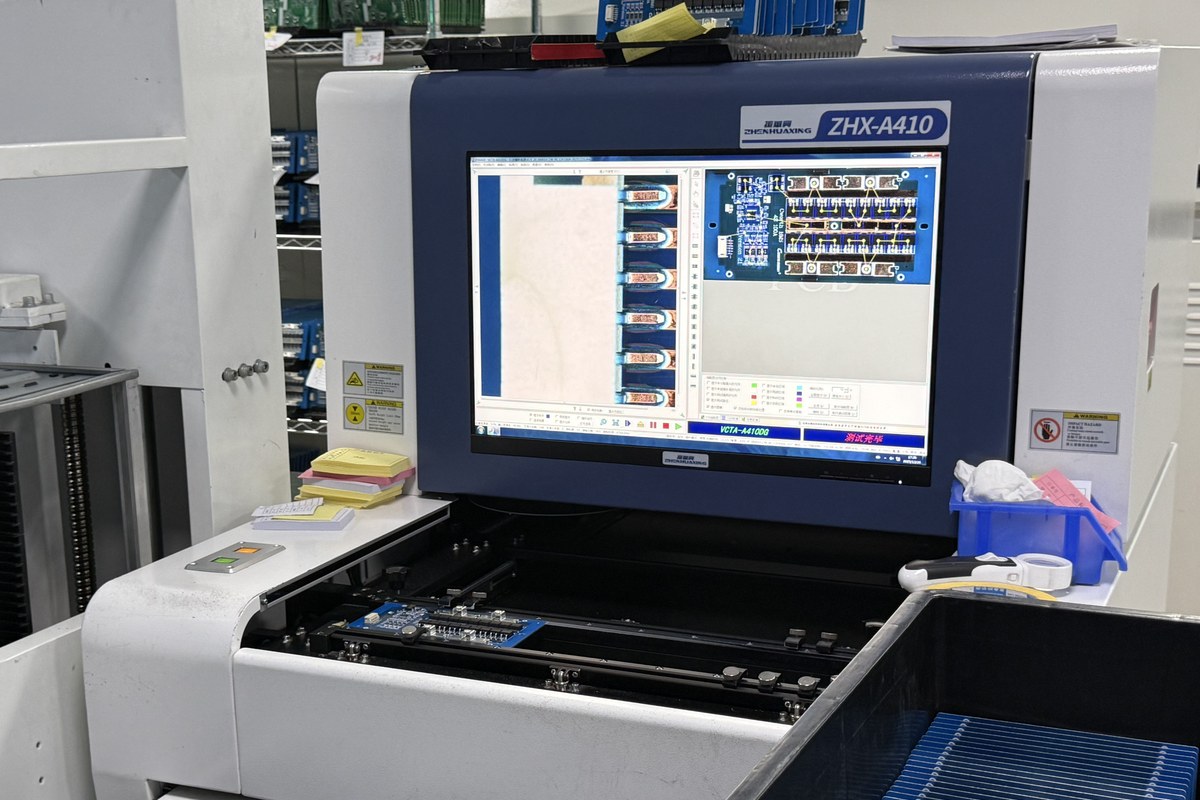
Define what a passing board means before the build
A useful test requirement names the input condition, test steps, limits, firmware or fixture dependency and expected evidence. “Test the board” is not enough to quote or execute a repeatable acceptance plan.
For machine placement and reflow planning, see the SMT assembly service. Boards with inaccessible joints, RF functions, calibrated sensors or application-specific behavior may require dedicated fixtures, firmware or external validation supplied by the project owner.
Cost and lead-time control
How to keep a small PCB assembly project economical
Small batches carry one-time engineering and setup work, so the lowest unit price is not always the lowest project cost. Consolidate stable variants, release complete data and avoid changing parts after purchasing begins.
- Use common, active components where the design permits.
- Define approved alternates before shortages occur.
- Panelize and size the board with fabrication and assembly input.
- Separate real test requirements from checks that add no decision value.
- Quote the expected repeat quantity as well as the first batch.
What usually controls delivery?
- PCB material and construction
- Long-lead or allocation-sensitive components
- New stencil, fixture or programming needs
- Manual through-hole or wiring operations
- Test preparation and failure-diagnosis scope
- Revision changes after release
Competitive pricing needs a complete BOM
OrinewPCB’s manufacturer and distributor relationships can support favorable component pricing and availability. The benefit can only be evaluated against exact MPNs, quantities, approved alternates and the current supply position.
Choose the dedicated service page
Use this page for mature hobby projects—use specialized pages for the next decision
This page is the bridge from DIY work to professional PCBA. When the main decision becomes prototype speed, high-mix production control or full turnkey sourcing, use the corresponding service page for deeper requirements.
Prototype build
For early functional builds focused on fast engineering feedback, review PCB prototype assembly.
Many variants or repeat small lots
For multiple part numbers, revision control and recurring low quantities, review low-volume high-mix PCB assembly.
Complete purchasing and production scope
For PCB fabrication, component sourcing, assembly and test coordination under one order, use the turnkey service linked above.
Common questions
Hobbyist PCB assembly FAQ
Can OrinewPCB assemble only one board?
Quantity feasibility depends on the board, setup effort, component packaging and test scope. Send the actual files and quantity so the team can confirm whether a one-piece build or a slightly larger panel quantity is the practical route.
Can you work from a KiCad project?
KiCad is suitable for design, but manufacturing review normally uses exported Gerber or ODB++, NC drill, BOM, pick-and-place data and an assembly drawing. Export all files from the same controlled revision.
Do you source the components?
Yes, component sourcing can be included. OrinewPCB’s sourcing policy is 100% new and original parts, with substitutions controlled by the approved BOM rules rather than made silently.
Is every board functionally tested?
No universal functional test fits every design. A functional test needs defined power, interfaces, firmware, fixtures, steps and pass/fail limits. The feasible test plan is agreed before production.
How fast can a hobby PCB assembly be delivered?
The earliest practical delivery depends on PCB construction, component availability, assembly route, quantity and test preparation. OrinewPCB confirms a schedule after reviewing these inputs rather than promising one lead time for every project.
Can I send some of my own components?
A consigned or mixed-sourcing build may be possible. Identify owner-supplied parts, quantities, package condition, moisture sensitivity and allowed excess so kit readiness can be checked before the line is scheduled.
Start with the released project data
Move from a hobby build to a controlled one-stop PCBA quote
A useful quotation should separate confirmed requirements from open assumptions. Include the files and rules that control the board, components, assembly variants and acceptance plan.
- Gerber/ODB++ and NC drill
- BOM with exact MPNs
- Pick-and-place / CPL
- Assembly drawing
- Quantity by revision or variant
- Test and programming requirements
- Approved substitution rules
- Target delivery and packaging notes
For a released project, provide the controlled build package for an integrated fabrication, sourcing and assembly review. The response can then address scope, open engineering questions, material availability, price and the earliest practical delivery plan.
What happens after submission?
- Files and revision alignment are checked.
- PCB DFM and assembly inputs are reviewed.
- The BOM is evaluated for exact parts, availability and approved alternatives.
- Inspection and test assumptions are clarified.
- The quotation defines included scope, open items and schedule basis.