
OrinewPCB · Controlled hands-on assembly
Manual PCB Assembly Services
Manual PCB assembly uses technicians for component insertion, placement and soldering operations that suit direct handling. OrinewPCB combines manual work with PCB fabrication, 100% new original components, SMT/THT assembly and agreed testing for prototypes and high-mix, small-batch builds.
Send your BOM, assembly drawings and quantity by model. We review access, component requirements, quality scope and your target date before confirming the complete quotation and practical delivery plan.
- High-mix, small-batch focus
- 100% new original parts
- Nine-step quality workflow
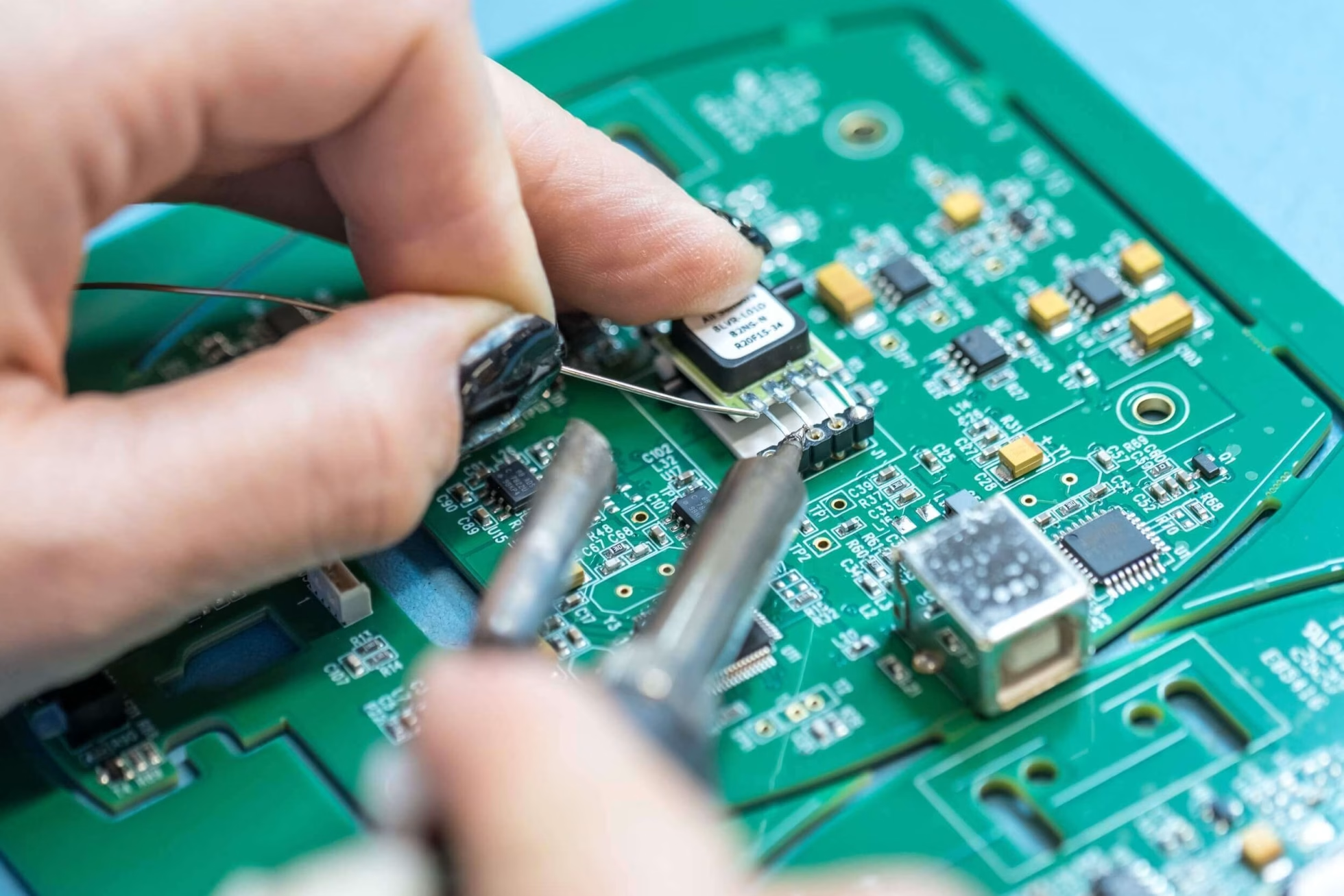
One team for the complete PCBA
Coordinate bare boards, original components, assembly and agreed testing through one project team.
Original parts and sourcing value
Manufacturer and distributor relationships support genuine materials, competitive pricing and availability.
Quality and delivery together
Our nine-step quality workflow and your acceptance requirements inform the build and shipment plan.
Where manual assembly fits
Prototypes, special components and selected assembly operations
Manual work is useful when the component, access requirement or quantity favors a hands-on operation. It is not automatically the best route for the entire board, and small quantities can still benefit from automated stages.
Prototype and engineering builds
Early builds may need careful attention to unusual parts, orientation or mechanical fit. Release the intended revision and identify any approved changes rather than relying on verbal instructions.
Leaded or mechanically unusual parts
Connectors, terminal blocks and other parts may require manual insertion or special positioning. Confirm lead forming, standoff, retention and soldering access from the actual drawings.
Mixed SMT and THT projects
Manual operations can complete a board after other assembly stages. Review the full component population and process sequence so later handling does not compromise earlier joints.
Insertion and soldering are separate decisions: a manually inserted component may be soldered by an appropriate hand, wave or selective process. For leaded-component planning, see our through-hole PCB assembly service.
Choose the route, not just the label
Manual, automated or mixed PCB assembly?
Compare the complete setup, production and verification effort. Quantity matters, but package access, geometry, thermal limits and repeatability also determine the appropriate manufacturing route.
| Route | When it may fit | What to review |
|---|---|---|
| Manual insertion or placement | Selected leaded parts, unusual component handling or mechanical positioning. | Orientation, insertion depth, retention, handling time and inspection access. |
| Hand soldering | Accessible joints suited to controlled local soldering. | Component guidance, heat exposure, soldering access and consistent workmanship. |
| Automated SMT stages | Repeatable surface-mount placement and associated process steps. | Placement files, part packaging, setup, paste and thermal requirements. |
| Mixed assembly | Boards combining surface-mount, through-hole and special operations. | Sequence, fixtures, protection of existing joints and final verification. |
Dense or hidden-joint packages may require a dedicated process rather than ordinary hand soldering. Review SMT process requirements and automated assembly options when comparing the complete build.
A controlled manual assembly process
From prepared materials to an accepted assembly
Manual assembly needs clear instructions, suitable tools and defined checks. Technician skill supports the process; it does not replace a controlled BOM, package-specific guidance or an agreed test plan.
-
Review the files and materials
Check the BOM, board revision, component identity, drawings and quantity. Resolve polarity, substitution and assembly-note conflicts before work starts.
-
Prepare the board and components
Confirm handling, ESD and any moisture-sensitive component requirements. Perform cleaning, lead preparation or other material preparation only as required by the specified process.
-
Insert or place the components
Follow the drawing for orientation, standoff, board side and retention. Check mechanical fit and accessible soldering space before proceeding.
-
Solder with the appropriate method
Use the reviewed soldering route and component guidance. Control local heat and handling; one iron setting or contact duration is not suitable for every package and board.
-
Inspect, test and accept
Inspect the work against the agreed criteria, resolve defects through controlled rework and complete the applicable electrical or functional checks before shipment.
Reduce ambiguity before the build
A practical manual assembly readiness checklist
The operator needs more than a bare-board image. Provide component identity, orientation, mechanical details and acceptance instructions in a consistent build package.
| Input | What to confirm | Why it matters |
|---|---|---|
| BOM and revision | Manufacturer part numbers, reference designators, DNP positions and approved alternatives. | Prevents part and variant mix-ups during direct handling. |
| Orientation and polarity | Pin 1, connector orientation, polarized parts and board-side information. | Clarifies details that may be unclear from a placement coordinate alone. |
| Mechanical fit | Lead forming, insertion depth, standoff, mounting hardware and enclosure constraints. | Checks that the assembled board fits and connects as intended. |
| Thermal and handling limits | Supplier soldering guidance, moisture requirements and sensitive components. | Helps define a suitable process without using a universal heat recipe. |
| Inspection and testing | Workmanship requirements, test access, firmware and functional pass/fail limits. | Defines how the completed work will be accepted. |
For multiple models, identify the quantity and revision for each board and list the component differences. Our custom assembly planning covers the variant and build-package requirements.
Why work with OrinewPCB?
Original materials and a nine-step quality workflow
OrinewPCB uses 100% brand-new original components and emphasizes quality through a nine-step inspection and testing workflow. Applicable checks, acceptance criteria and records are confirmed for your project.
Authentic material sourcing
Deep cooperation with manufacturers and distributors supports original electronic components, competitive BOM pricing and practical supply schedules. Alternatives need explicit approval.
Technicians and clear instructions
Manual work is planned around the actual parts, drawings and process requirements. Highlight special handling, critical orientation and mechanical details before the work begins.
Acceptance and delivery planning
Define quality and test requirements with the target date. We work toward the earliest practical schedule while retaining the agreed verification scope.
| Verification | What it addresses | Planning requirement |
|---|---|---|
| Placement and workmanship inspection | Part identity, orientation, visible joints, lead condition and assembly fit. | Readable drawings, inspection access and agreed acceptance criteria. |
| Electrical checks | Defined electrical characteristics or connection checks, depending on method and access. | Test points, required coverage, fixtures or programs and limits. |
| Functional testing | Operation under specified power, inputs, outputs, loads and firmware. | Test procedure, interfaces and explicit pass/fail conditions. |
| Reinspection after rework | Acceptance of corrected work and any affected assembly features. | Approved rework scope and the appropriate repeat checks. |
These are verification categories, not a replacement list for the nine-step workflow. Visual appearance alone cannot establish full circuit function or lifetime reliability.
Cost-effective project planning
Is manual PCB assembly affordable?
It can be economical for suitable low-volume or specialized operations, but the comparison depends on the whole project. Manual labor increases with the number and difficulty of operations; automation also has setup requirements.
- Quantity and the number of different models.
- Insertion, soldering and handling work per board.
- Package access, component preparation and fixtures.
- PCB and original component supply costs.
- Inspection, programming and test requirements.
Our sourcing relationships help support favorable material cost and availability. Compare quotes with the same BOM revision, assembly scope and acceptance requirements.
A practical turnaround plan
What determines delivery time?
Delivery includes file approval, PCB completion, component availability, assembly, testing and shipment. Selecting a manual operation does not by itself make the entire project faster.
- Release clear drawings and a controlled BOM.
- Flag special parts and long-lead materials early.
- Define the quantity and revision for every model.
- Provide test requirements and your target delivery date.
For urgent work, review our quick-turn project requirements. The schedule is confirmed after the complete material and manufacturing scope is checked.
One-stop assembly inquiry
Send one package for the complete PCBA review
Whether the board needs selected manual operations or a mixed SMT/THT build, OrinewPCB can review fabrication, original components, assembly, agreed testing, total cost and delivery together.
- PCB data: Gerbers, drill files and fabrication requirements.
- BOM: part numbers, references, quantities, DNP positions and substitution rules.
- Assembly information: drawings, polarity, mechanical notes and placement data where applicable.
- Build and acceptance: quantities by model, revision, firmware, test requirements and target date.

Manual PCB assembly FAQ
Questions before a manual or mixed assembly order
Is manual insertion better than other assembly methods?
It depends on the component, access, quantity and required process. Insertion and soldering are different operations; a manually inserted part does not necessarily require hand soldering. Review the complete board before choosing the route.
What data files are required for assembly orders?
Provide the BOM, PCB fabrication files, assembly drawings, quantity and acceptance requirements. Include placement/CPL data for SMT operations. Stencil requirements can be reviewed from the design; customers do not always need to supply a finished stencil design.
Is manual assembly always cheaper for a small order?
No. It can suit some small batches, but package difficulty, handling and verification effort matter. Compare the total scope rather than assuming that low quantity automatically means all-manual production.
Can manual work be combined with automated SMT?
Yes, subject to design review. A mixed route may use automated SMT stages and selected manual or through-hole operations, with the sequence and final inspection agreed for the assembly.
Can every surface-mount package be hand-soldered?
No. Joint access, package construction and supplier guidance determine the process. Hidden-joint and fine-pitch devices may need specialized placement, soldering and inspection methods.
Do you handle several board models in one project?
High-mix, low- and medium-volume one-stop PCBA is a core focus. Identify each model’s quantity, revision, BOM differences and test requirements so the correct materials and instructions can be reviewed.
Related assembly services