Automotive PCB Manufacturing & Assembly
OrinewPCB supports automotive PCB manufacturing and assembly for prototype and high-mix programs. We coordinate DFM, board fabrication, 100% new and original components, assembly and project-defined testing through one accountable workflow. Automotive requirements, approvals and validation criteria remain project-specific.
14+
Years Experience
98.15%
On-Time Delivery
96%
customer satisfaction rate
99%
Quality Pass Rate
Requirement-led PCB and PCBA planning for electronics intended for vehicle applications
An automotive PCB is a printed circuit board intended for an electronic function in a vehicle, but the application name alone does not define a manufacturable or approved product. The released package must state the electrical load, temperature range, vibration or mechanical exposure, moisture and contamination risks, service life, applicable standards, documentation and acceptance tests. These inputs determine whether the design needs high-Tg material, heavy copper, controlled impedance, conformal coating, special component controls or another construction.
OrinewPCB can review an automotive printed circuit board or automotive PCB assembly package for prototypes, small-to-medium batches and high-mix builds, then coordinate PCB fabrication, 100% new and original component sourcing, assembly and project-specific testing. This page is not evidence of IATF 16949 certification, an approved automotive production program or a vehicle-safety qualification. Any certification, PPAP, traceability or application-specific requirement must be declared in the RFQ and confirmed in writing before an order is accepted.
Choose the board route from the actual application
The simplest suitable construction is usually easier to control than a more complex board selected from an application label. The following comparison turns the product requirement into a release decision.
| Route | Use it when | Release decision |
|---|---|---|
| Conventional rigid PCB | Cabin, control or interface electronics whose released environment can be met by a defined rigid-board construction | Material, stackup, copper, finish and environmental limits |
| High-Tg or thermally managed PCB | Repeated thermal exposure, high component heat or assembly cycles require more material margin | Exact laminate properties, copper distribution and thermal path |
| Heavy-copper or power PCB | Power conversion, motors, heaters or high-current paths dominate the design | Current, temperature rise, copper weight, vias and terminal strategy |
| HDI or controlled-impedance PCB | Dense packages, high-speed interfaces, cameras, radar or communication links require it | Stackup, impedance, microvia structure and connector launch |
| Flex or rigid-flex | The installed geometry or moving interconnect cannot be solved reliably with cables and rigid boards | Bend region, material stack, stiffeners and assembly support |
Automotive PCB Manufacturing and Assembly Review: design and DFM controls
A useful DFM review focuses on the electrical, thermal, mechanical and sourcing facts that can change fabrication or assembly. It should not rely on a generic capability list.
Translate the vehicle function into board requirements
Name the power source, load, interfaces, mounting location and failure consequences. A board inside a protected cabin and a board near a motor or exterior connector do not share the same design boundary.
Design the power path and transient boundary
Provide input-voltage range, current, inrush, protection concept, grounding and connector data. Copper weight alone cannot establish temperature rise or transient robustness.
Coordinate material, vias and thermal cycling
Laminate selection, board thickness, copper balance, plated holes and component mass influence thermal-mechanical reliability. Specify the properties and evidence the application actually needs.
Define environmental and mechanical exposure
Temperature, humidity, contamination, vibration, shock, mounting stress and coating requirements should be stated as project inputs rather than inferred from the word automotive.
Control component identity and changes
Use manufacturer part numbers, approved alternates and lifecycle constraints. Any substitution should be evaluated against electrical rating, package, software and the released acceptance plan.
How the manufacturing and assembly route is controlled
A reliable build connects product requirements, PCB data, component identity, assembly instructions and acceptance evidence. Each gate below should close against one released revision.
- Requirement gate: Review application, environment, standards, documentation, quantity and target schedule before selecting the board route.
- PCB DFM review: Resolve stackup, copper, impedance, holes, finish, panel and thermal-management questions.
- BOM and sourcing review: Confirm exact MPNs, approved channels, alternates, moisture sensitivity and lifecycle constraints.
- Assembly planning: Align stencil, fixtures, SMT/THT sequence, coating or other special operations with the released design.
- First-build controls: Use first-article inspection and controlled power-up or functional steps appropriate to the customer test definition.
- Release and change control: Record accepted deviations and return approved changes to the PCB data, BOM, drawings and test instructions.
Files to send for an engineering review
Complete inputs shorten clarification time and prevent assumptions from becoming purchasing or production commitments. Every file should carry the same board, BOM and variant revision.
| Input | Required detail | Decision supported |
|---|---|---|
| PCB data | Gerber, ODB++ or IPC-2581, NC drill, outline, stackup and fabrication drawing | Board construction and DFM |
| Assembly data | BOM with MPNs, CPL, assembly drawing, polarity and variant matrix | Sourcing and SMT/THT planning |
| Application boundary | Voltage, current, interfaces, mounting location and intended vehicle function | Power, thermal and risk review |
| Environment | Temperature, humidity, contamination, vibration, shock and coating requirements | Material and process proposal |
| Quality evidence | Required inspections, tests, traceability, records and acceptance criteria | Quotation and release scope |
| Program inputs | Prototype or lot quantity, variants, target date and change-control contact | High-mix planning and schedule |
When the package is ready, send the PCB files, BOM, quantities and acceptance requirements for a combined engineering review. OrinewPCB can identify open construction, sourcing, assembly and test questions before confirming the quotation scope.
One-stop component sourcing and PCB assembly
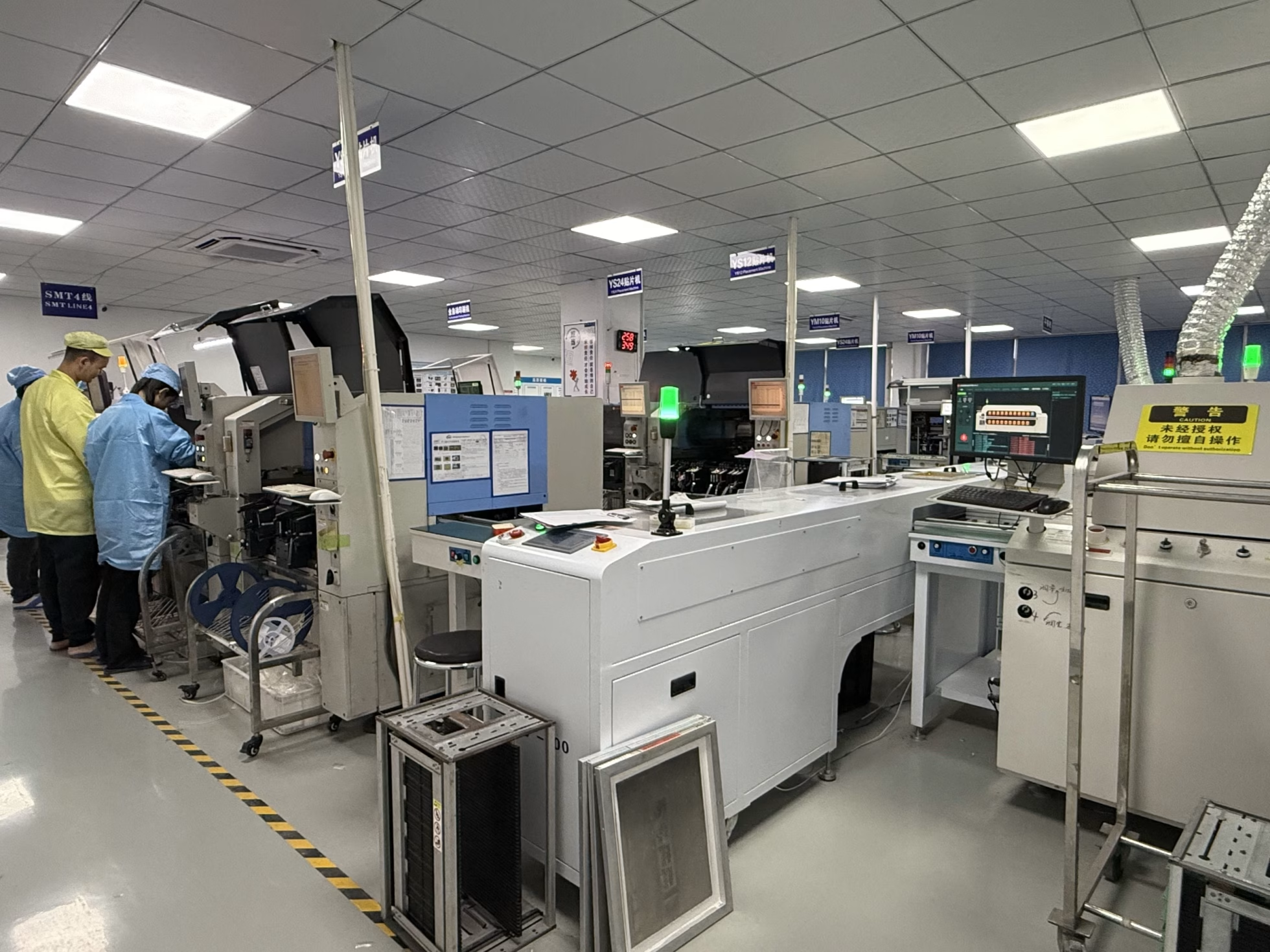
Automotive PCB assembly should be planned from the same controlled data set as the bare board. Package selection affects land patterns, stencil apertures, solder profile, inspection access and test coverage; connector and power-device choices also affect fixtures and handling. For projects that need a combined supplier path, the turnkey PCB assembly workflow can keep fabrication, original-part sourcing, assembly and the agreed test boundary under one revision.
Compare the heavy-copper PCB route for high-current designs, high-Tg PCB material planning for additional thermal-process margin and high-frequency PCB planning for controlled RF structures.
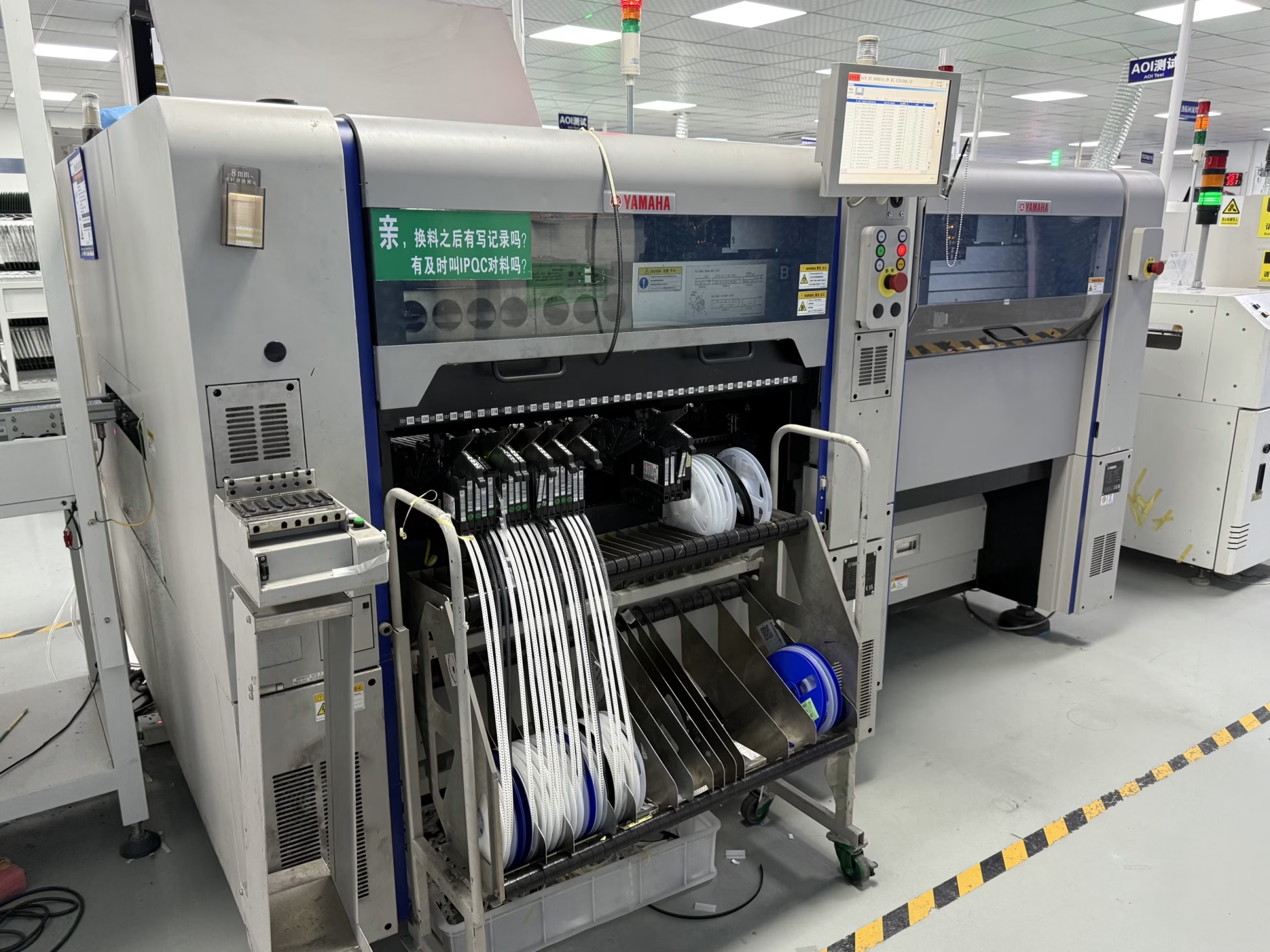
Quality and test planning must match the released product
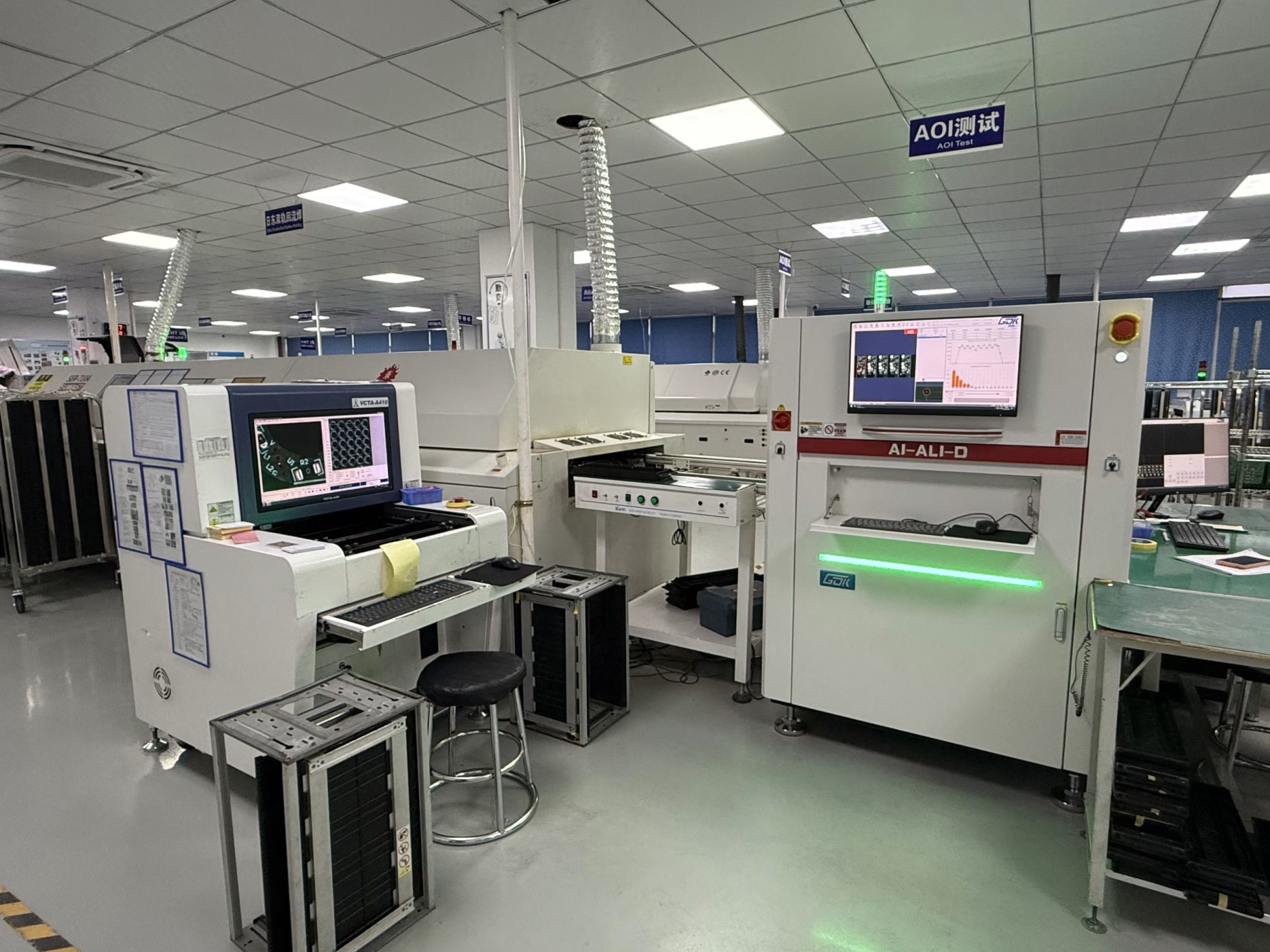
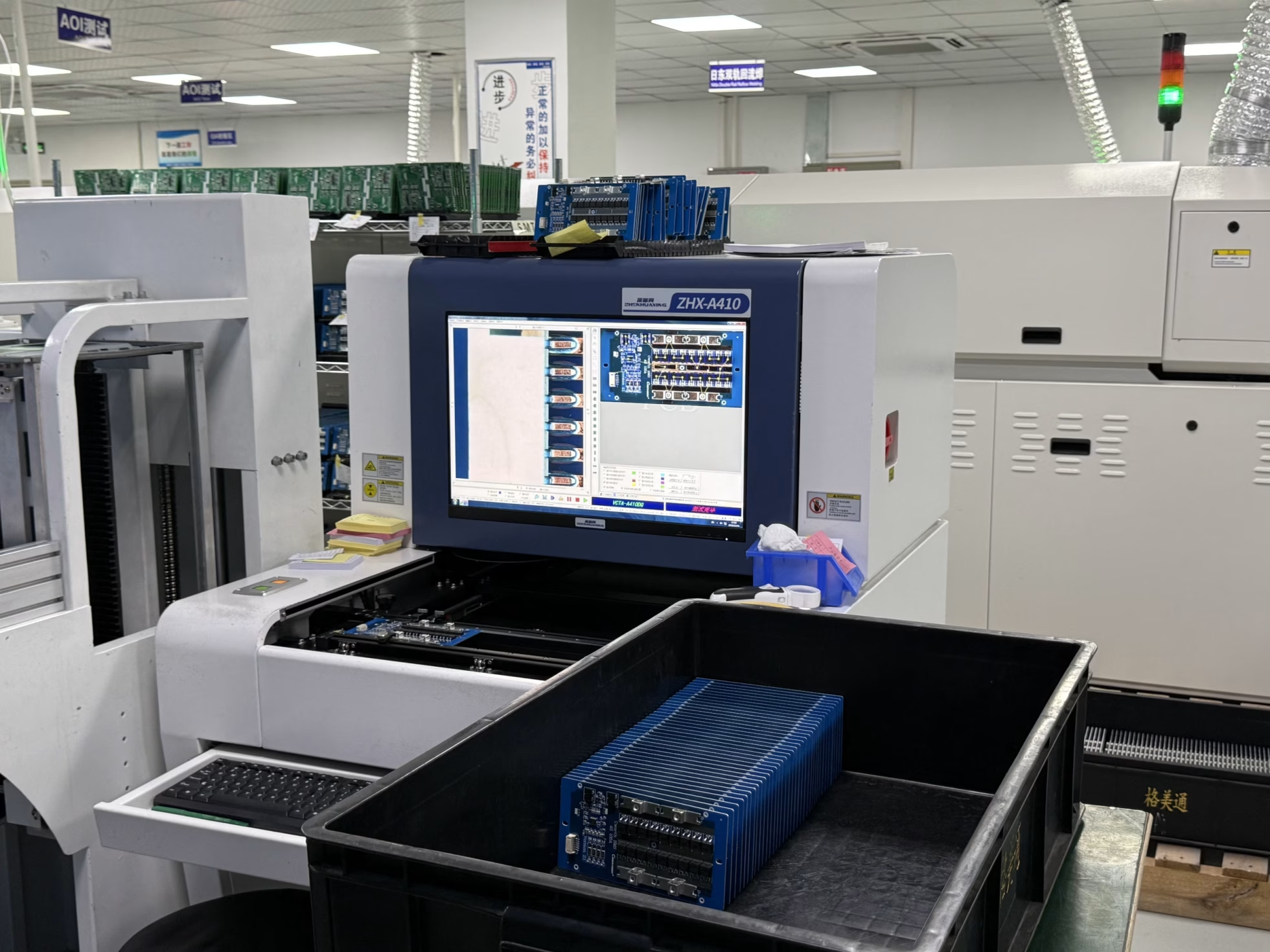
OrinewPCB applies a nine-step quality and test workflow across release review, material control, fabrication, assembly and final verification. The actual methods must be selected for the project; generic visual inspection is not a substitute for customer-defined electrical, programming, functional, environmental or traceability requirements. If an automotive-intended program requires certification or evidence that OrinewPCB cannot confirm, the requirement must remain an open qualification item rather than being implied by the page.
- Resolve conflicting PCB, BOM, placement and drawing revisions before materials are committed.
- Record approved component alternates and the engineering conditions attached to each substitution.
- Define the inspection, programming and functional evidence that will be delivered with the build.
- Return accepted deviations and rework findings to the next controlled release.
Cost and lead-time factors
Automotive PCB cost and delivery depend on construction, material availability, copper, impedance, coating, component lead time, inspection records, fixtures, programming and functional-test preparation. Low-volume high-mix automotive PCB work also carries revision and variant-control effort. The fastest practical schedule can be confirmed only after the PCB package, BOM, evidence requirements and open engineering questions are reviewed together.
OrinewPCB works with manufacturers and authorized or established distribution channels to support component pricing and material schedules, while maintaining the stated requirement for 100% new and original parts. Delivery is planned for the earliest practical date after construction, material, assembly and test inputs are confirmed.
Automotive PCB FAQ
What is an automotive PCB?
An automotive PCB is a printed circuit board intended for a vehicle electronic function. Its actual construction and qualification depend on the released electrical, mechanical, environmental and quality requirements.
Does this page mean OrinewPCB is IATF 16949 certified?
No. This page does not claim IATF 16949 certification or an approved automotive production program. State all required certifications and evidence in the RFQ for written confirmation.
What should be sent for an automotive PCB assembly review?
Send PCB fabrication files, BOM with MPNs, placement data, assembly drawings, application and environmental requirements, quantities, documentation needs and the proposed test plan.
Can prototypes and multiple automotive PCB variants be reviewed together?
Yes. Provide a clear revision and variant matrix with quantities and acceptance criteria so each build can be quoted and controlled separately.
Plan the next build from one controlled data set
The PCB construction, component BOM, placement revision, product interfaces and acceptance criteria should describe the same deliverable. That alignment is especially important for prototypes, small-to-medium batches and high-mix programs where several variants may share similar files.
If the design is ready for review, provide the released manufacturing data and project requirements for the next-build assessment. The returned scope can address PCB fabrication, original component sourcing, assembly, project-defined testing and the earliest practical delivery plan together.
Why Choose Automotive PCB Assembly Suppliers?
Automotive-intended PCB work should be reviewed against the declared electrical, environmental, mechanical and quality requirements. The written project scope determines the work OrinewPCB can accept.
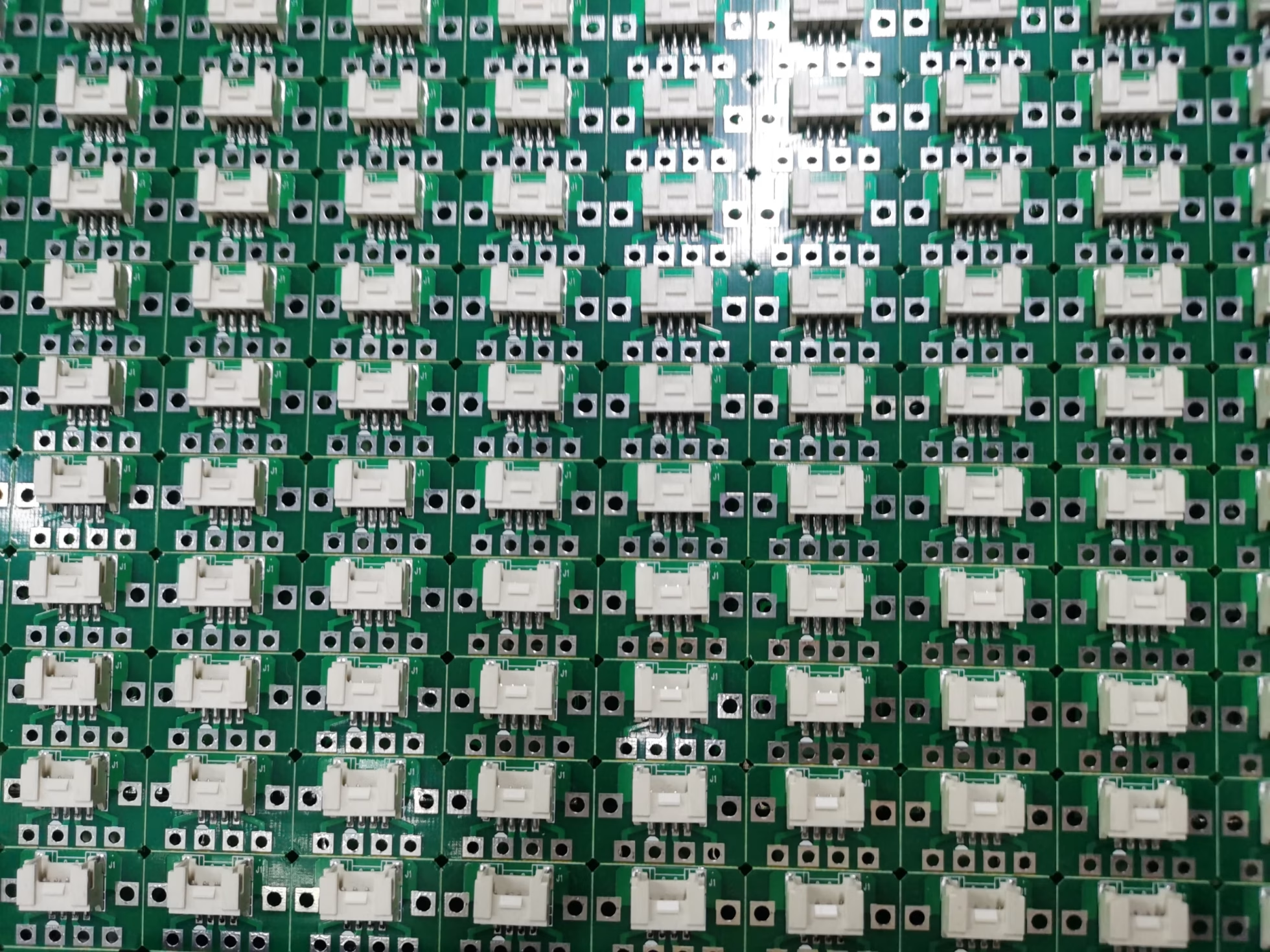
Application Requirement Review
- Review of declared automotive environmental requirements
- Component and layout review against supplied application data
DFM and Process Planning
- Review of new interfaces or component requirements supplied with the design
- Manufacturing feedback tied to the released PCB package
Compliance Boundary
- The customer identifies applicable safety and compliance requirements
- Required certification evidence must be confirmed in writing; none is implied by this page
Supply Chain Management
- Access to hard-to-find components for car electronics
- Ability to manage lead times for automotive production cycles
PCB Assembly Services
Our PCB assembly services cover a wide range of specifications. We offer solutions for various automotive applications, including:
SMT Assembly
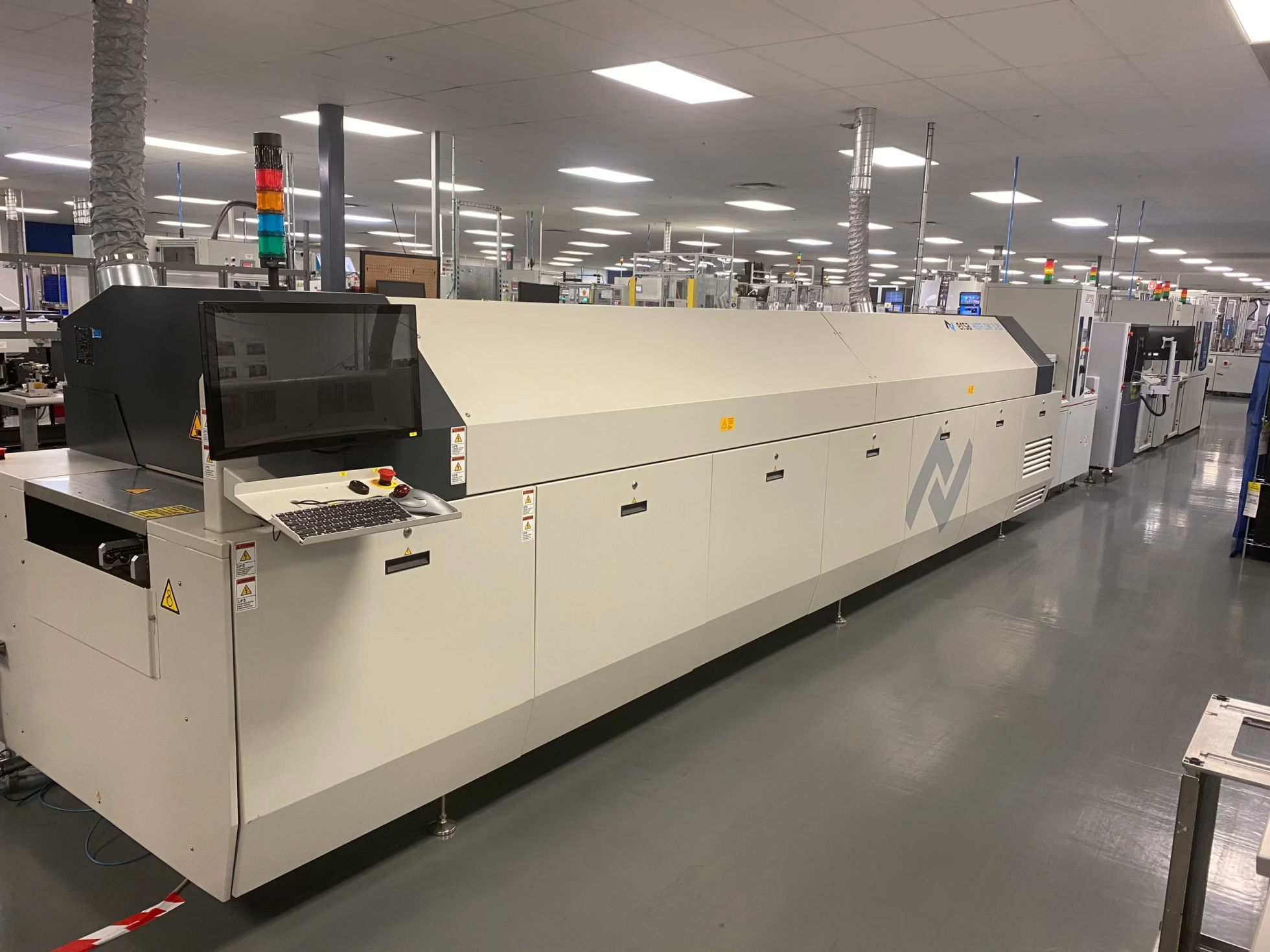
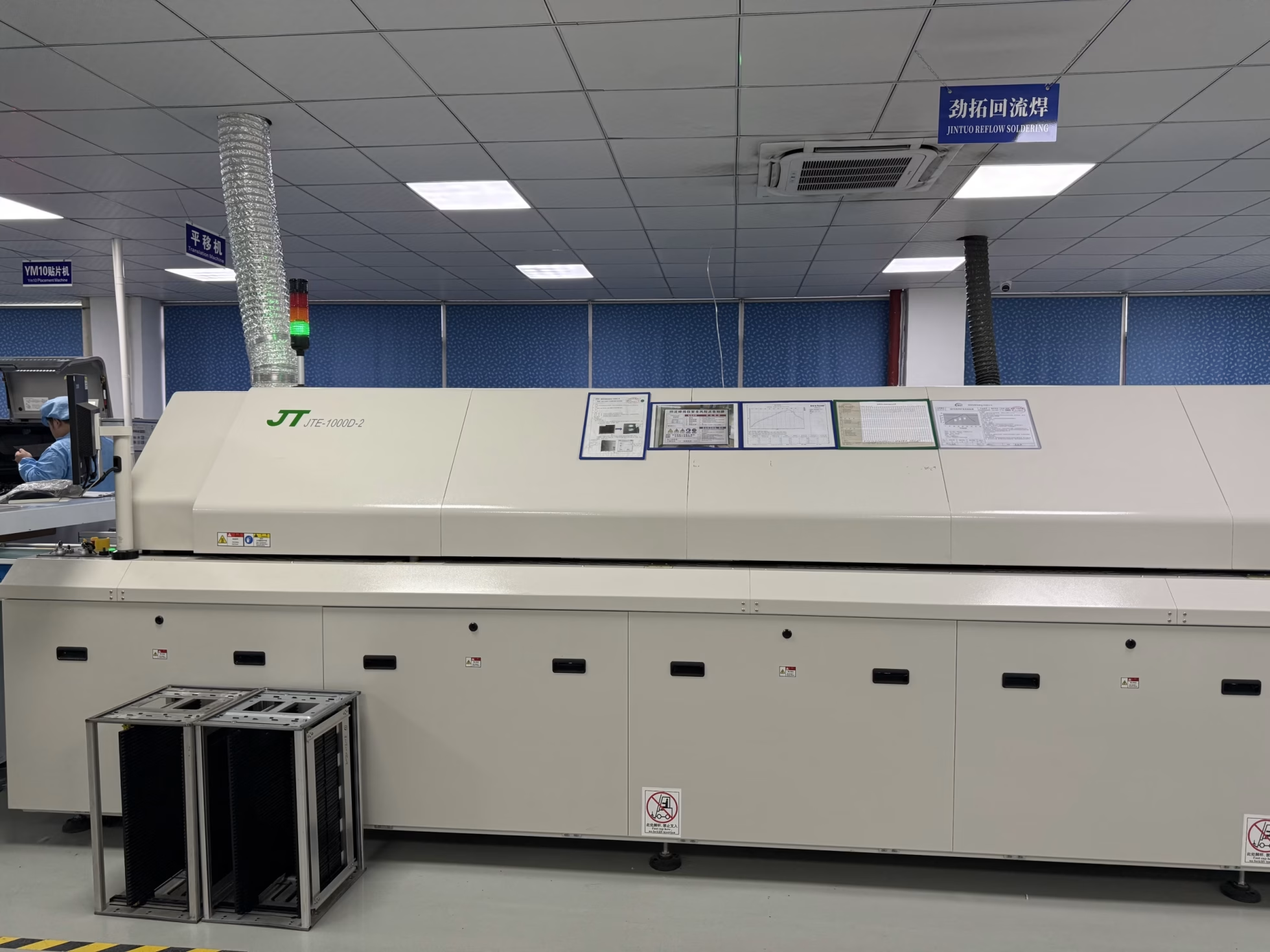
We use Surface Mount Technology for compact, high-performance car PCBs. This method allows for dense component placement, ideal for modern vehicle electronics.
Consigned Components or Turnkey PCB Assembly
We work with your supplied parts or offer full-service solutions. Our turnkey option covers everything from sourcing to the final delivery of assembled PCBs.
Custom PCB Assembly
We create PCBs tailored to your specific car design needs. Our team can handle unique layouts and special requirements for all automotive applications.
Quick Turn PCB Assembly
Delivery timing is planned for the earliest practical date after the PCB construction, components, assembly inputs and project-defined test scope are confirmed.
IPC Class 3 PCB Assembly
We build PCBs that meet strict IPC Class 3 standards. This level of quality is crucial for critical automotive systems and safety features.
All IC Packages PCB Assembly
We assemble all types of IC packages with precision. This includes BGAs, QFNs, and other complex components used in advanced car electronics.
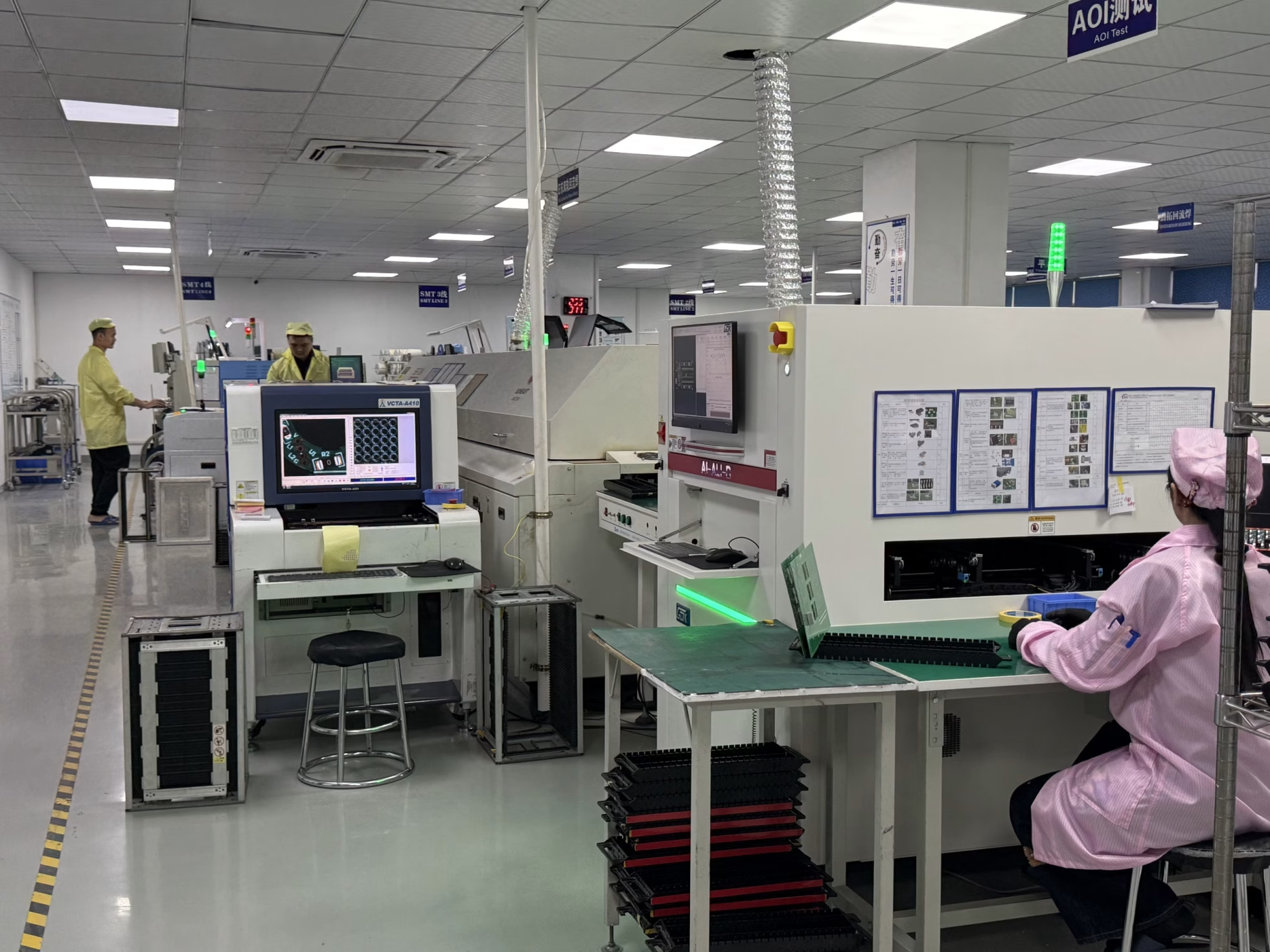
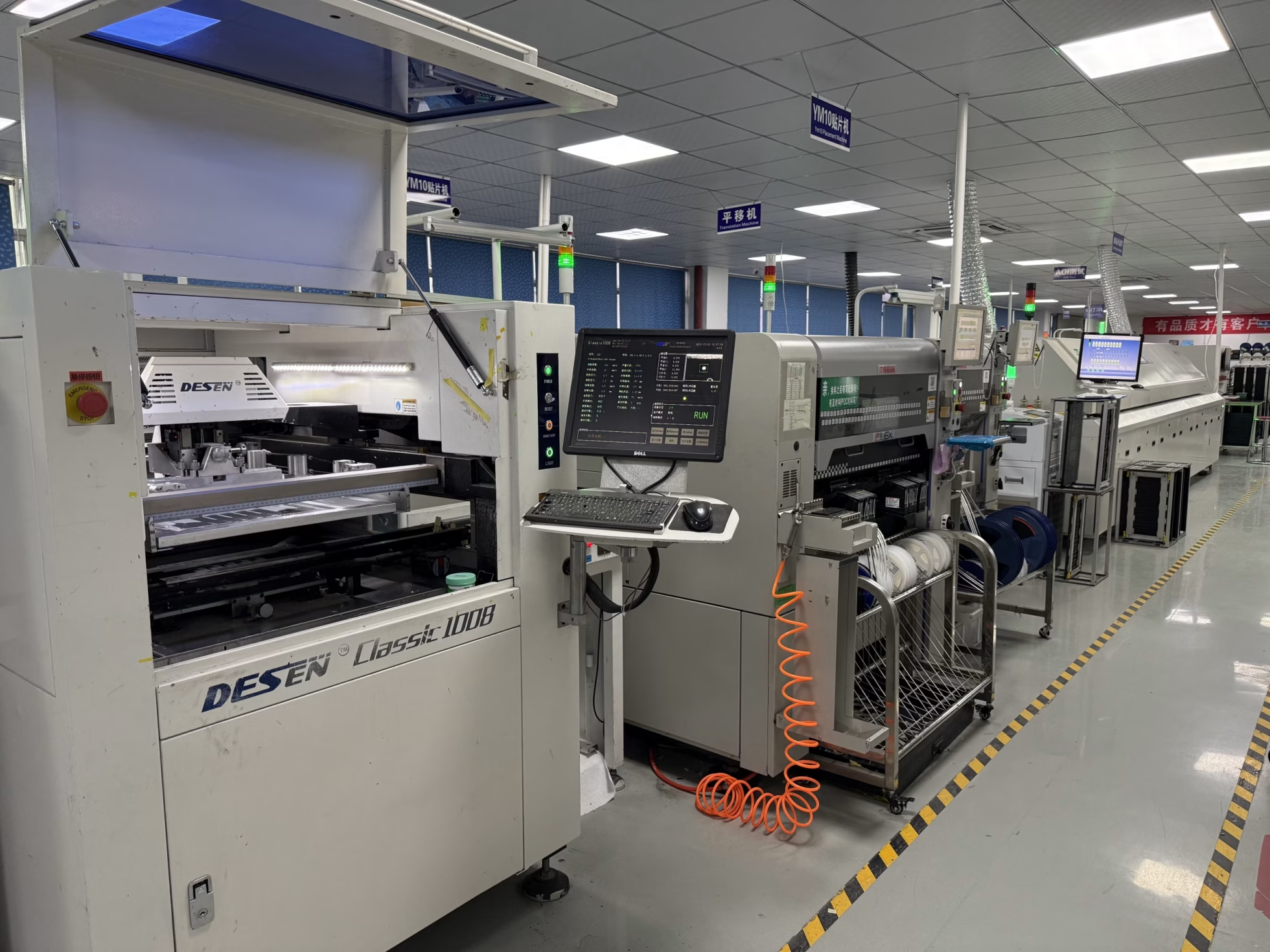
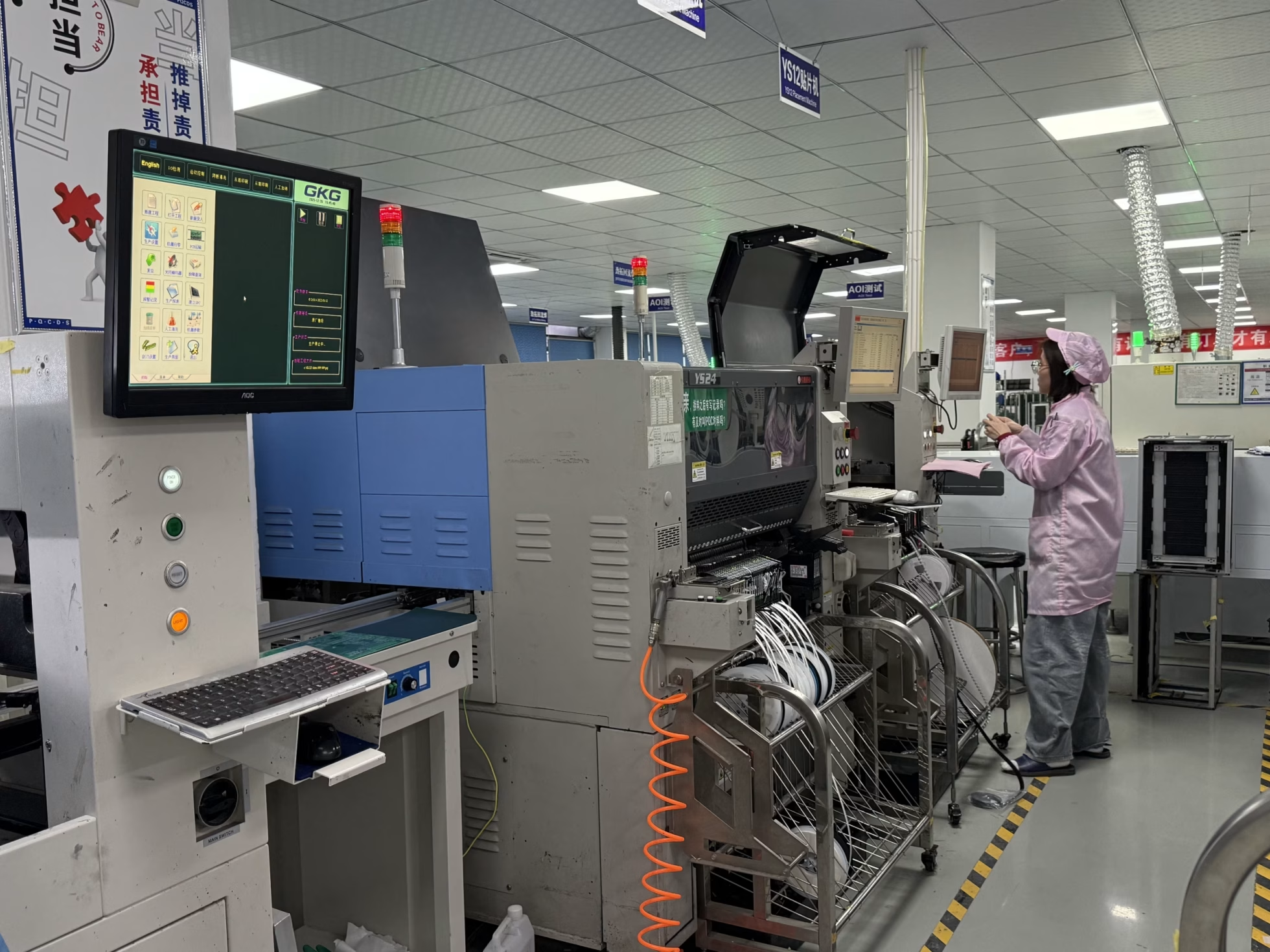
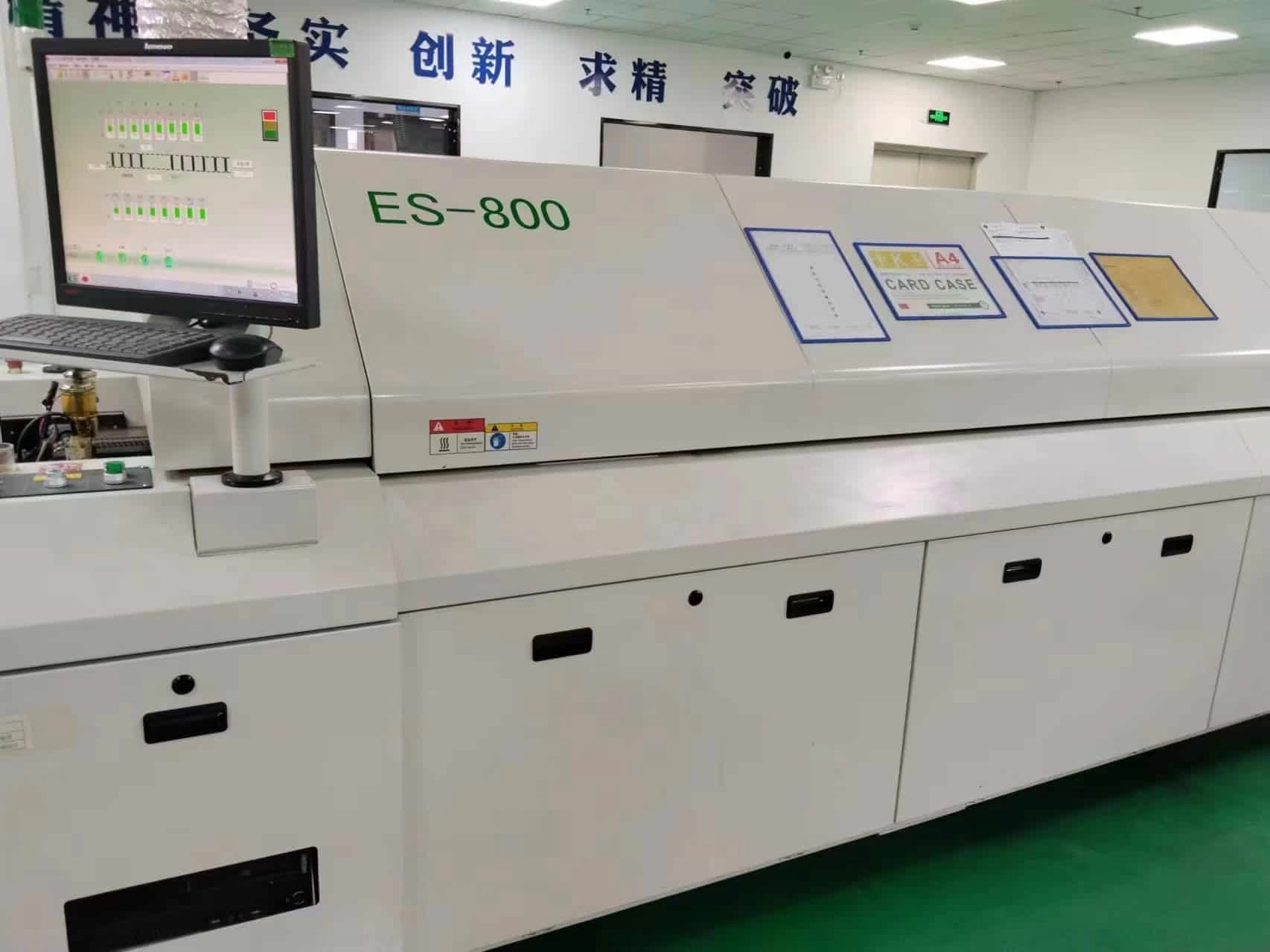
PCB Factory Gallery