
Low-Volume High Mix PCB Assembly
Table of Conent
Table of Conent
Small batches · many variants · controlled changeovers
Low-volume high-mix PCB assembly produces several board models or revisions in relatively small lots. The central challenge is not placement speed; it is keeping every BOM, program, stencil, work instruction, firmware and test plan aligned while the line changes from one configuration to the next.
OrinewPCB coordinates PCB fabrication, 100% new and original component sourcing, SMT and through-hole assembly, inspection, testing requirements and delivery for high-mix projects. This service fits OEMs and hardware teams that value flexibility, revision control and repeatable quality across prototypes, pilot lots and recurring small-to-medium batches.
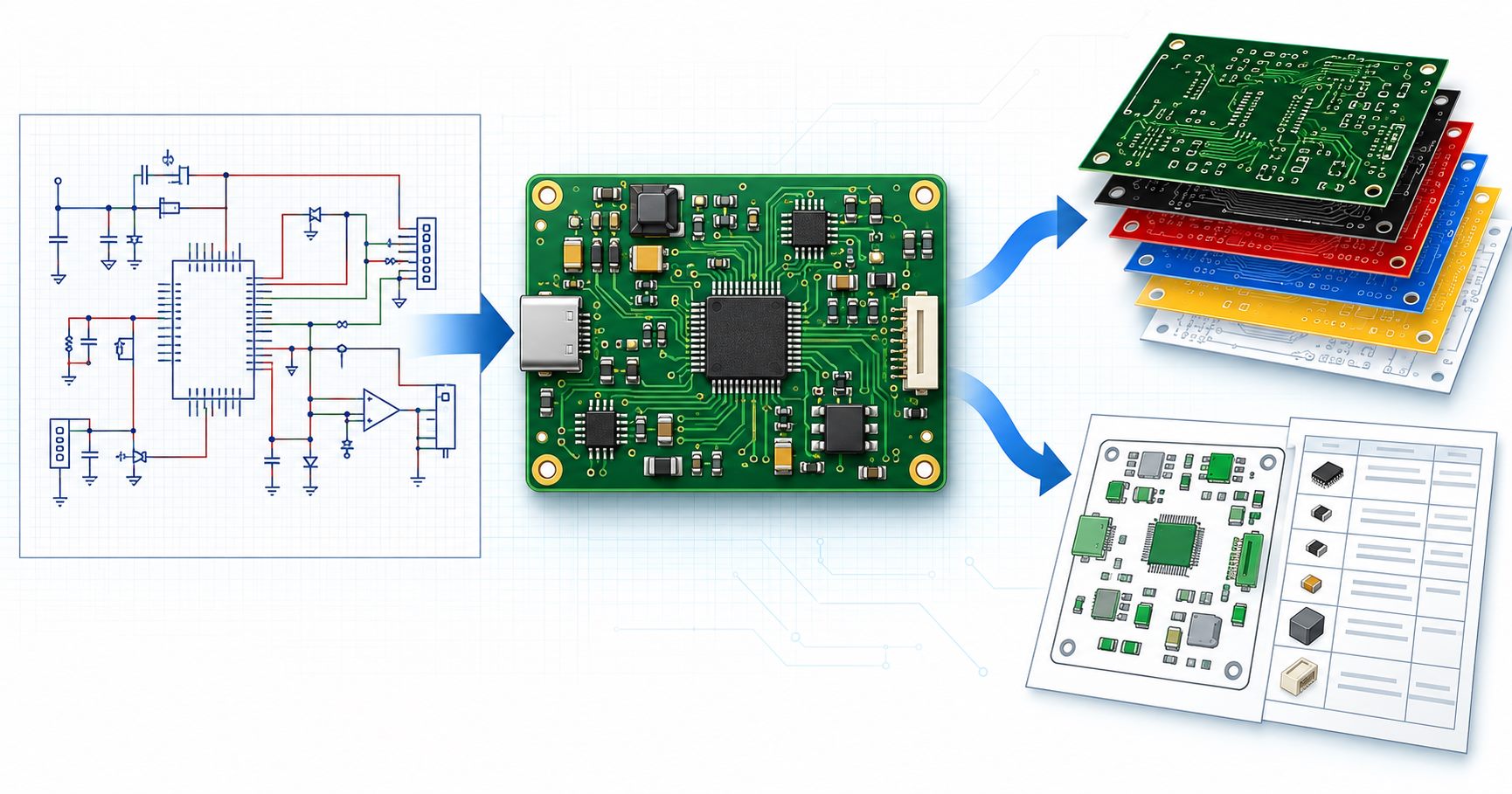
Configuration before quantity
Identify the exact revision, population option, firmware and test plan for every lot.
Original parts with approved alternates
Sourcing follows exact MPNs and controlled substitution rules, not silent replacements.
Quality through every changeover
First-article and process checks are refreshed when the configuration or setup changes.
Service fit
When low-volume high-mix PCBA is the right production model
Use this route when the business value comes from product variety, customization or frequent engineering changes rather than one very large identical run.
Multiple board models
Several related PCBAs share components or processes but require different BOMs, placement files, labels or tests.
Frequent revisions
Products evolve in controlled releases, and obsolete data must be removed before the next lot enters production.
Recurring small batches
Demand arrives in releases that need flexible purchasing and scheduling without losing traceability between lots.
Use prototype PCB assembly when the immediate goal is first-build engineering feedback. Use this page when multiple released configurations must be repeated and controlled.
Configuration control
Control every variant with a model-specific release matrix
Do not combine several configurations into one undifferentiated BOM. A simple release matrix lets purchasing, programming, assembly and test teams see exactly what changes and what stays common.
| Control item | Common data | Variant-specific data | Release rule |
|---|---|---|---|
| PCB | Base fabrication construction where shared | Board revision, finish or panel identifier | Gerber/ODB++ and drill set must carry the released revision |
| BOM | Shared exact MPNs and approved sources | Population, value, package or option-specific part | Use one BOM per variant or an unambiguous option matrix |
| Placement | Common machine coordinates when the board is shared | DNP, rotation or side changes | CPL must match the variant BOM and drawing |
| Firmware | Programming interface and common procedure | Image, configuration or serial data | Identify file checksum or version by model |
| Labeling | Format and traceability method | Model, revision, customer or market label | Approve label content before the lot starts |
| Test | Shared fixture and base sequence where valid | Limits, options and expected behavior | Test procedure and pass criteria follow the released model |
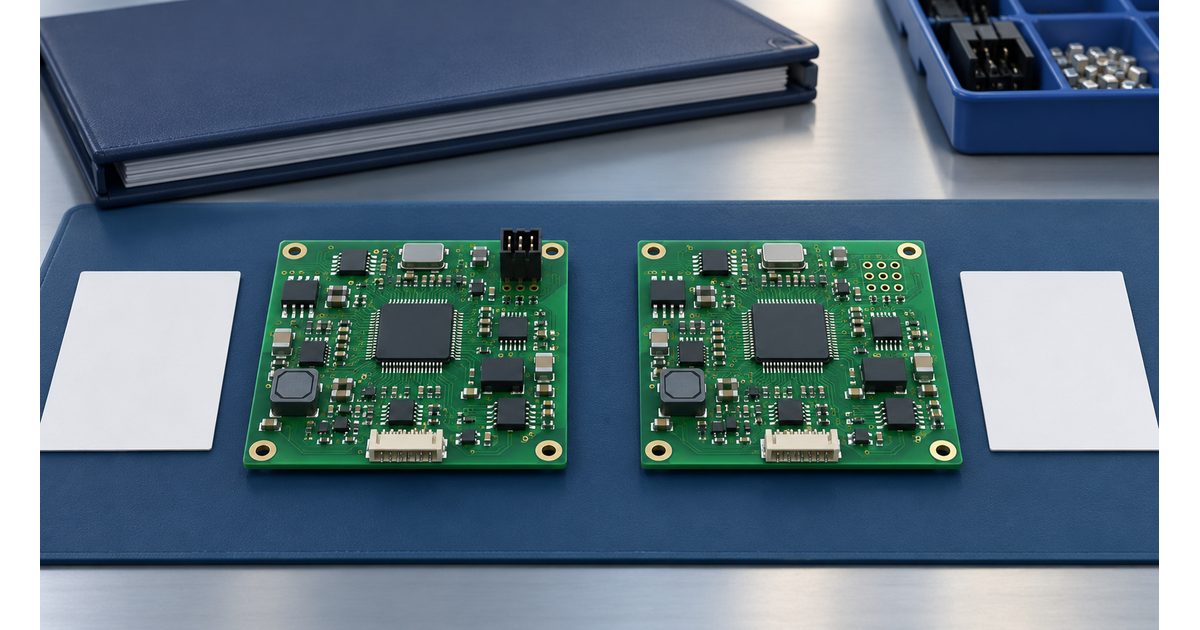
Use identifiers that survive the whole process
Board revision, assembly revision and product option should appear on the released files, traveler or work instruction, test record and final label where applicable. A filename such as “final_v2_new” is not reliable change control.
For custom mechanical, coating or product-specific requirements, the custom PCB assembly service provides the broader project handoff.
One-stop sourcing and assembly
Coordinate shared components without losing variant traceability
High-mix purchasing can consolidate common components, but allocation back to each model must remain visible. Exact MPNs, approved alternates and ownership rules prevent one urgent variant from consuming material reserved for another.
Turnkey sourcing
OrinewPCB can review PCB fabrication and BOM purchasing together through the turnkey assembly route.
Customer-supplied kits
Provide package condition, quantities, excess policy, arrival date and responsibility for shortages or damaged material.
Mixed sourcing
Mark every owner-supplied and OrinewPCB-sourced line so shortages, substitutions and unused material can be reconciled.
Our sourcing policy is 100% new and original components. Manufacturer and established distributor collaboration supports competitive pricing and lead-time visibility, while any alternative remains subject to the approved BOM rules.
Setup and changeover
Treat each changeover as a controlled process release
A high-mix line may change feeders, stencil, program, work instruction and test sequence several times. Similar boards cannot be assumed to use identical settings.
| Stage | Main risk | Control before the lot proceeds |
|---|---|---|
| Material issue | Wrong variant receives a shared or option-specific part | Kit by released BOM and verify labels, quantity and package |
| Stencil and paste | Wrong aperture set or process assumption | Match stencil identifier, board revision and process instruction |
| Feeder/program setup | Wrong MPN, location, rotation or side | Verify program against BOM, CPL and assembly drawing |
| First article | Error repeats across the entire short lot | Check polarity, value, DNP, orientation and critical joints before continuation |
| Firmware/labels | Correct hardware receives the wrong identity | Verify image, version, serial and label rule by variant |
| Test release | Shared procedure uses wrong limits or expected behavior | Load and confirm the model-specific test configuration |
For automated placement and reflow inputs, review the SMT assembly service.
Nine-step quality framework
Refresh quality controls when the model or setup changes
OrinewPCB's nine-step framework connects release review, PCB DFM, component source review, incoming material control, first article, placement and soldering control, optical or hidden-joint inspection, electrical or functional test, and final release. The applicable methods and evidence are agreed for each variant.
-
Review the release
Match PCB, BOM, CPL, drawing, firmware and test revision.
-
Check fabrication DFM
Resolve board construction and assembly-related risks.
-
Approve component sources
Confirm exact MPNs, channels and substitution rules.
-
Control incoming material
Verify boards, parts, labels and kit allocation.
-
Approve first article
Check the first configured board before the lot proceeds.
-
Control soldering
Run the released SMT, reflow and through-hole route.
-
Inspect the assembly
Apply visual, AOI or X-ray checks where appropriate.
-
Test the function
Use defined programming, electrical or functional limits.
-
Release the lot
Verify identity, records, quantity and packaging.
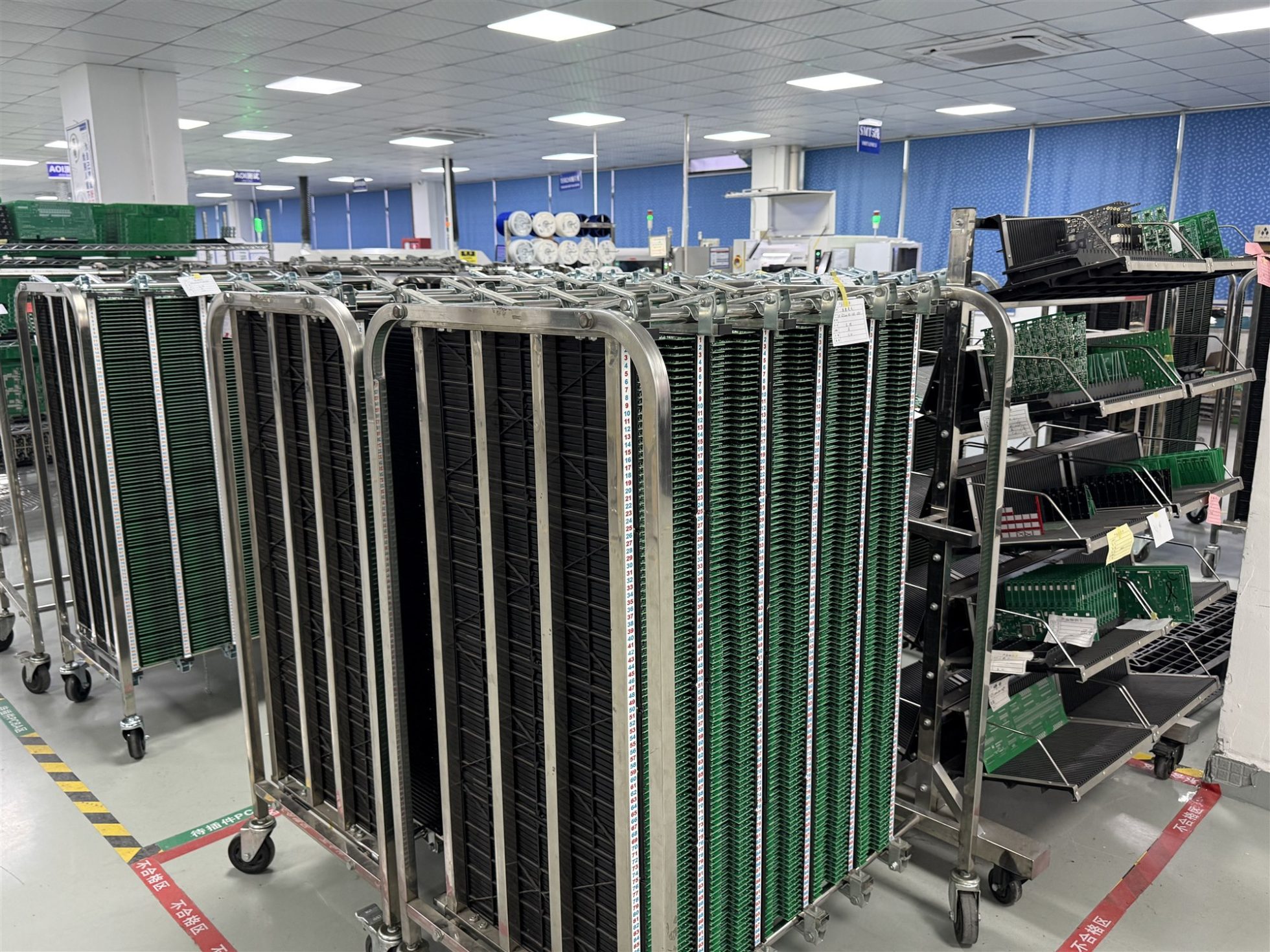
Testing must follow the variant
AOI can inspect visible placement and solder features, while functional testing needs the correct firmware, fixture, interfaces and pass/fail limits. Specify whether first-article approval, unit-level testing or sampling applies to each configuration.
Quality is not a generic checkbox
A shared test fixture is useful only when the contact points, firmware and limits remain valid for the selected model.
Cost and delivery
Reduce high-mix cost by stabilizing the handoff
Small lots carry setup and changeover effort. Consolidate shared material and compatible releases where practical, but never merge configurations in a way that obscures identity or acceptance.
- Forecast common long-lead parts across models.
- Release exact alternates before purchasing.
- Group compatible variants only after process review.
- Reuse validated fixtures and programs under revision control.
- Avoid late ECOs after material allocation or setup.
What controls lead time?
- PCB construction and panel strategy
- Availability of common and option-specific parts
- Number of variants and changeovers
- First-article approval requirements
- Programming, labeling and test preparation
- Requested lot sequence and delivery split
Repeat release planning
Make the next small batch easier than the first
A recurring high-mix program improves when every completed lot updates the controlled production package instead of relying on memory.
Close the build record
Record the actual board revision, BOM, approved deviations, firmware, labels, test method and disposition of nonconforming units. Reconcile unused customer-owned material by model.
Capture verified settings
Keep validated programs, work instructions, fixture versions and inspection references under revision control. Reuse them only when the next release matches the approved configuration.
Review before reordering
Check lifecycle, stock position, requested quantities and engineering changes before purchasing. This protects both speed and quality when several models return on different schedules.
Common questions
Low-volume high-mix PCB assembly FAQ
What counts as high mix?
High mix describes product variety and configuration change, not a fixed number. Several variants with separate BOM, firmware or tests can create a high-mix workflow.
Can variants share one PCB?
Yes, when the base fabrication is identical, but population, firmware, label and test differences must be controlled explicitly.
Can OrinewPCB source common parts in one purchase?
Shared purchasing can be evaluated, with allocation and approved substitution rules maintained for every model.
Is every first article customer-approved?
Customer hold points are project-specific. State whether documented internal approval or customer approval is required before the remaining lot proceeds.
How is delivery planned?
The earliest practical schedule follows PCB availability, component readiness, changeovers, test preparation and requested lot sequence.
When should a project move to high-volume production?
Move when the design, BOM, process, yield evidence, test coverage and demand are stable enough for repeat production planning.
Quote by configuration
Send the quantity, revision and acceptance plan for every model
Include Gerber or ODB++, BOM, CPL, assembly drawing, firmware, labels, quantities by variant, approved alternates, test requirements and delivery sequence.
Provide the controlled high-mix build package for fabrication, sourcing and assembly review. The quote can then separate shared work from model-specific setup, material and testing.
Recommended files
- One fabrication release per PCB revision
- BOM and CPL for each population option
- Variant matrix and DNP rules
- Firmware and label mapping
- Test procedure and limits
- Quantity and delivery sequence
Latest Blog


Contact Info
Phone: +86-755-82882936
Email: [email protected]
WhatsApp: +86-13570802455
Wechat: +86-13570802455
Address: 2nd floor,D Bldg.,Electric Link Technology Bldg.,Gongming,Guangming New Dist.,518106 Shenzhen, China
