
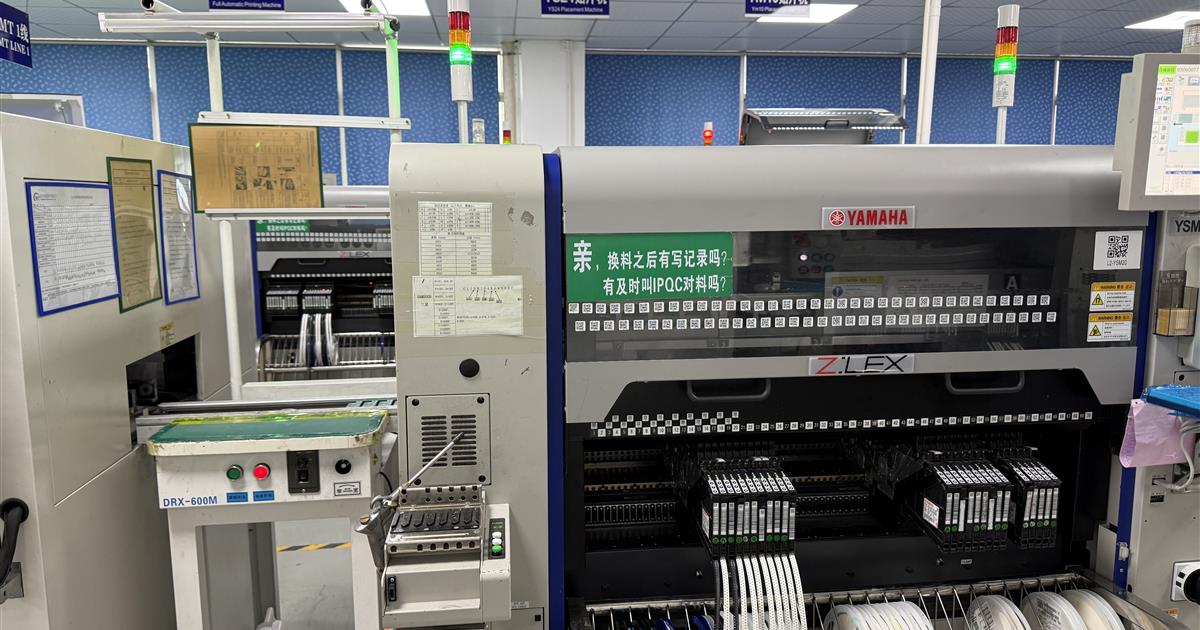
Shenzhen-based PCB and PCBA project support
PCB assembly in China can be a practical option when PCB fabrication, component procurement, assembly, and test requirements are managed as one controlled release. The decision should not be based on unit price alone. A buyer needs one revision-controlled package, defined approval rules for substitutions, an agreed inspection and test plan, and explicit responsibility for shipping, customs, and change control. OrinewPCB is based in Shenzhen, China and supports PCB fabrication, component sourcing, SMT/THT assembly, and agreed testing. For a useful review, provide Gerber or ODB++, a BOM with manufacturer part numbers, pick-and-place data, assembly drawings, quantities, approved alternatives, programming files, and test limits. The project team should confirm what is included, what remains the buyer’s responsibility, and which records will accompany the shipment before procurement begins. This page explains how to evaluate the scope, release files, control sourcing, review build evidence, and plan delivery without relying on an unsupported universal lead time or price.
Official factory introduction
A brief view of turnkey PCB assembly in China
The official ASSYPCB Team channel shows a short introduction to its China-based turnkey assembly scope. The video is context for the manufacturing location and service flow; it is not a substitute for a project-specific capability, quality, or schedule review.
Official ASSYPCB Team video, 35 seconds.
Procurement decision
What should you evaluate before choosing a China PCB assembly supplier?
Evaluate the complete project boundary rather than comparing a single unit price. A useful quotation must distinguish material, fabrication, setup, assembly, programming, test, packing, freight, and any nonrecurring work.
| Decision area | Evidence or question to request | Risk controlled |
|---|---|---|
| Released configuration | Matching fabrication files, BOM, placement data, drawings, firmware, revision identifiers, and quantity by model. | Prevents building different revisions under one order. |
| Component sourcing | Exact manufacturer part numbers, approved channels, date-code or lot requirements where relevant, and written substitution rules. | Reduces unauthorized alternates and unclear material identity. |
| Manufacturing scope | Clarify who owns PCB fabrication, SMT, through-hole work, mechanical assembly, programming, inspection, and test. | Avoids hidden handoffs and omitted operations. |
| Acceptance evidence | Define inspection coverage, test programs, sample plan, pass/fail limits, and records required with shipment. | Makes acceptance measurable before production starts. |
| Commercial boundary | Separate tooling or fixtures, per-build charges, freight, duties, taxes, bank fees, and change costs. | Allows like-for-like total-cost comparison. |
| Delivery responsibility | Name the Incoterms® rule and place, carrier responsibilities, importer of record, packing, insurance, and document requirements. | Prevents gaps between factory completion and receipt. |
For the core manufacturing scope, compare this checklist with OrinewPCB’s one-stop PCB assembly service and the separate turnkey PCB assembly workflow.
BOM and approved alternatives
How should component sourcing and substitutions be controlled?
Release the BOM as a controlled engineering document, not as a shopping list. Each populated line should identify the reference designators, quantity per board, manufacturer, exact part number, package or critical attributes, and approved-alternative status. If no substitute is allowed, state that explicitly.
A proposed alternate should be reviewed against electrical ratings, tolerance, temperature range, package, footprint, lifecycle, regulatory constraints, and firmware or test implications. Approval should identify the affected build and be retained with the production record. Price or availability alone is not an engineering approval.
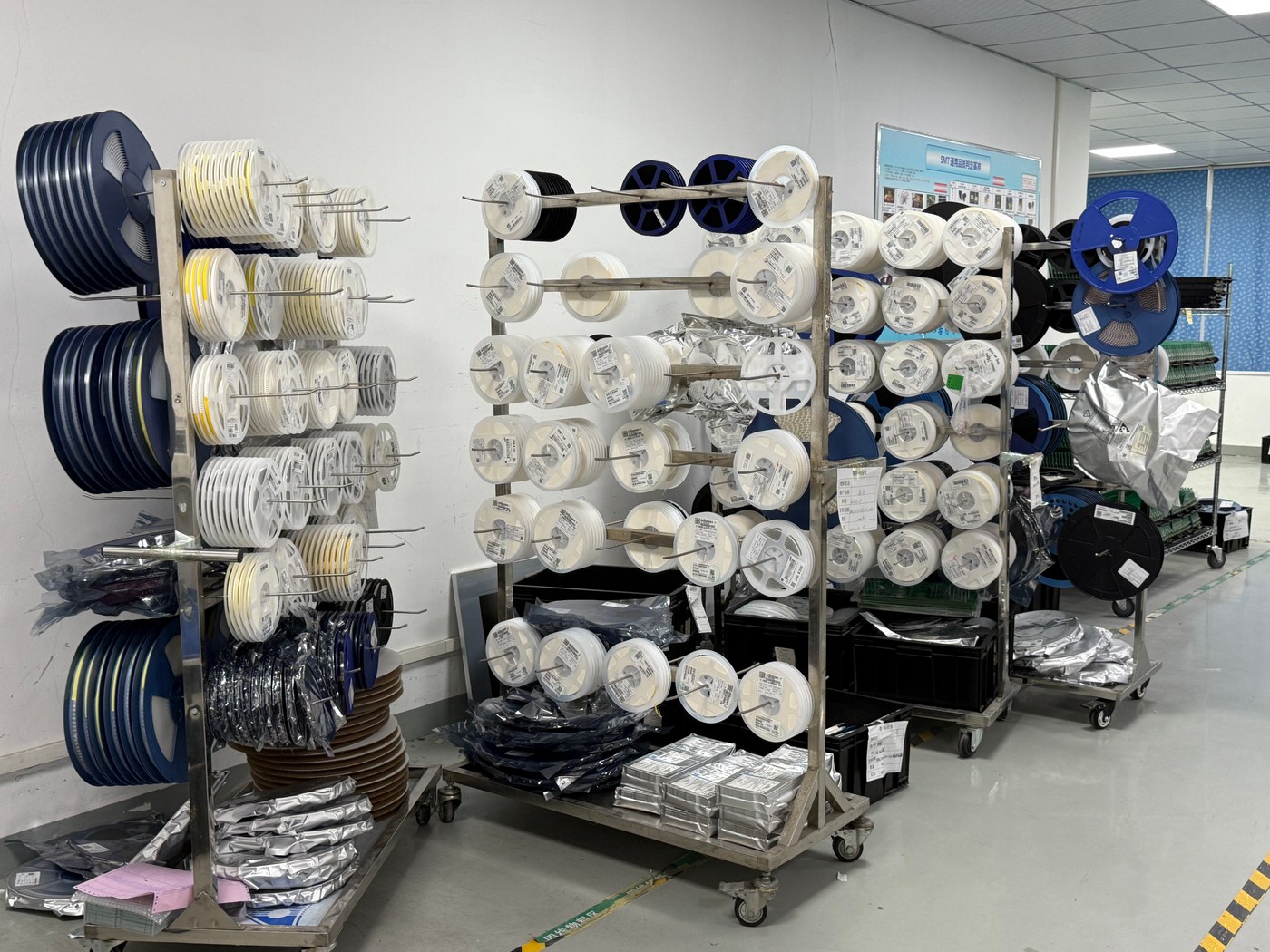
The prototype PCB assembly service is useful when the sourcing and assembly package needs first-build review before a repeat release. For multiple configurations, the low-volume, high-mix planning guide explains how to keep variants separated.
If the BOM contains constrained parts or controlled alternates, send the BOM and approved-alternative rules for review together with the build quantity and target release date. The resulting review should identify unresolved items before procurement is confirmed.
Controlled handoff
How does a China PCBA project move from released files to shipment?
A controlled build uses explicit approval gates. Work should not move forward simply because some files or parts have arrived; the release package, material decisions, process scope, test method, and delivery boundary must agree.
-
Review the released package
Check file revisions, board construction, BOM completeness, placement data, polarity, mechanical notes, quantities, programming, and test requirements.
-
Resolve material and DFM questions
Document shortages, proposed alternatives, footprint or fabrication questions, panel requirements, and approvals before committing affected work.
-
Confirm the build and test scope
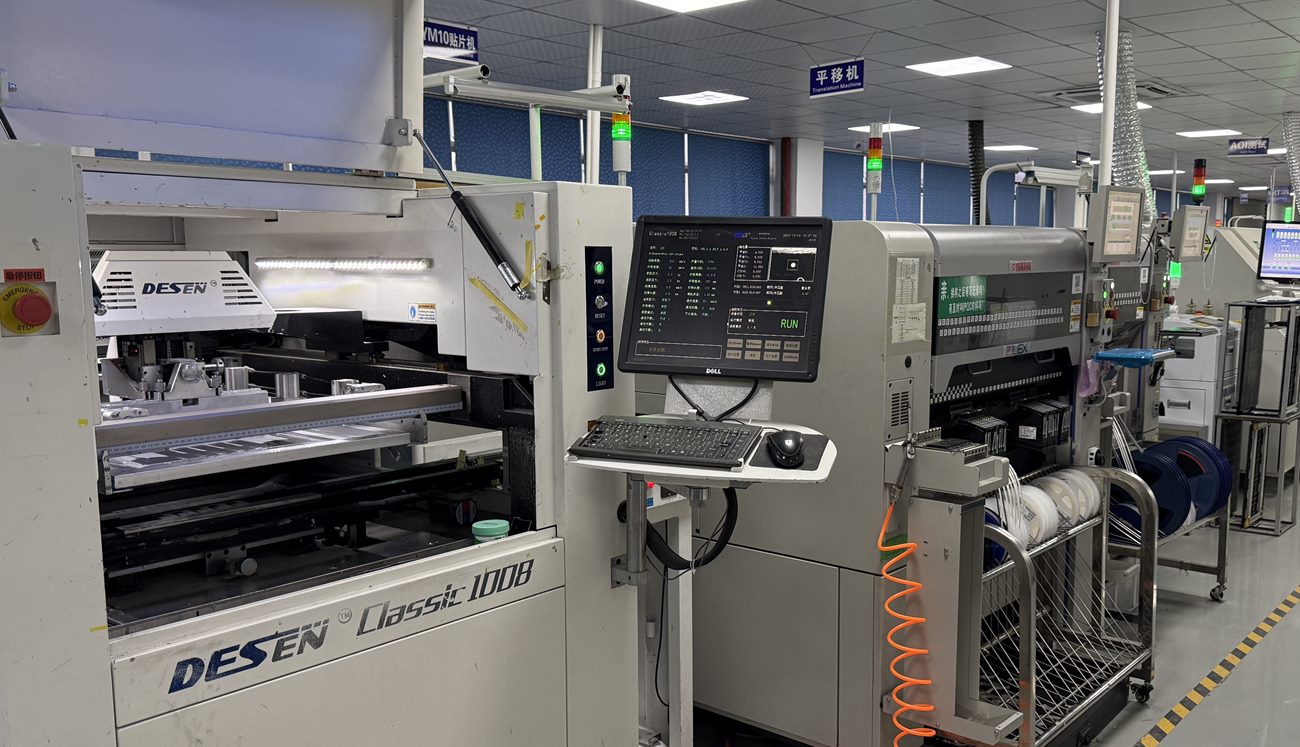
Define SMT assembly, through-hole operations, programming, inspection, functional checks, fixtures, and acceptance limits.
-
Build against the controlled revision
Record the applicable order, board and BOM revisions, approved material changes, and any authorized process deviation.
-
Complete acceptance and delivery records
Confirm quantity by model, inspection or test disposition, required reports, packing, shipping documents, and the agreed handoff point.
Quote package
What files should be included in a PCB assembly RFQ?
A complete package allows fabrication, sourcing, assembly, test, and delivery assumptions to be reviewed together. Send controlled native or neutral manufacturing files where practical, and use a revision table so every file can be tied to the intended build.
Fabrication and assembly
- Gerber/ODB++ and drill data
- Stack-up, material, thickness, copper, finish, and impedance notes
- Pick-and-place/CPL and assembly drawings
- Panel or breakaway requirements
Components and configuration
- BOM with exact manufacturer part numbers
- DNP positions and approved alternatives
- Quantity and revision by model
- Customer-supplied material list, if any
Programming, test, and delivery
- Firmware and programming instructions
- Test procedure, limits, fixtures, and report needs
- Packing and labeling requirements
- Target date, destination, and delivery responsibility
Do not send an obsolete reference package and a separate email that silently changes it. Consolidate the approved change into a new released revision, or provide a signed deviation that identifies exactly which build it controls.
International delivery
Define freight, customs, and import responsibility before shipment
The quotation should name the delivery term and place, the party arranging carriage, the party carrying risk at each handoff, insurance expectations, and who will act as importer of record. The International Chamber of Commerce explains that Incoterms® 2020 rules allocate selected costs, risks, and responsibilities; they do not replace the complete sales contract.
For U.S. deliveries, U.S. Customs and Border Protection states that the importer of record has entry and reasonable-care responsibilities. Review the current CBP importing guidance with a qualified customs broker when necessary. OrinewPCB does not use this page to give legal, tariff, or customs advice.
Confirm these items in writing
- Named Incoterms® rule, version, and place.
- Importer of record and customs broker, where applicable.
- Product description, classification responsibility, value, origin, and required documents.
- Freight method, insurance, tracking, delivery address, and receiving hours.
- Moisture, ESD, labeling, carton, pallet, and traceability requirements.
- Process for freight damage, shortage, customs hold, or delivery discrepancy.
Acceptance and traceability
Which build records should accompany the finished assemblies?
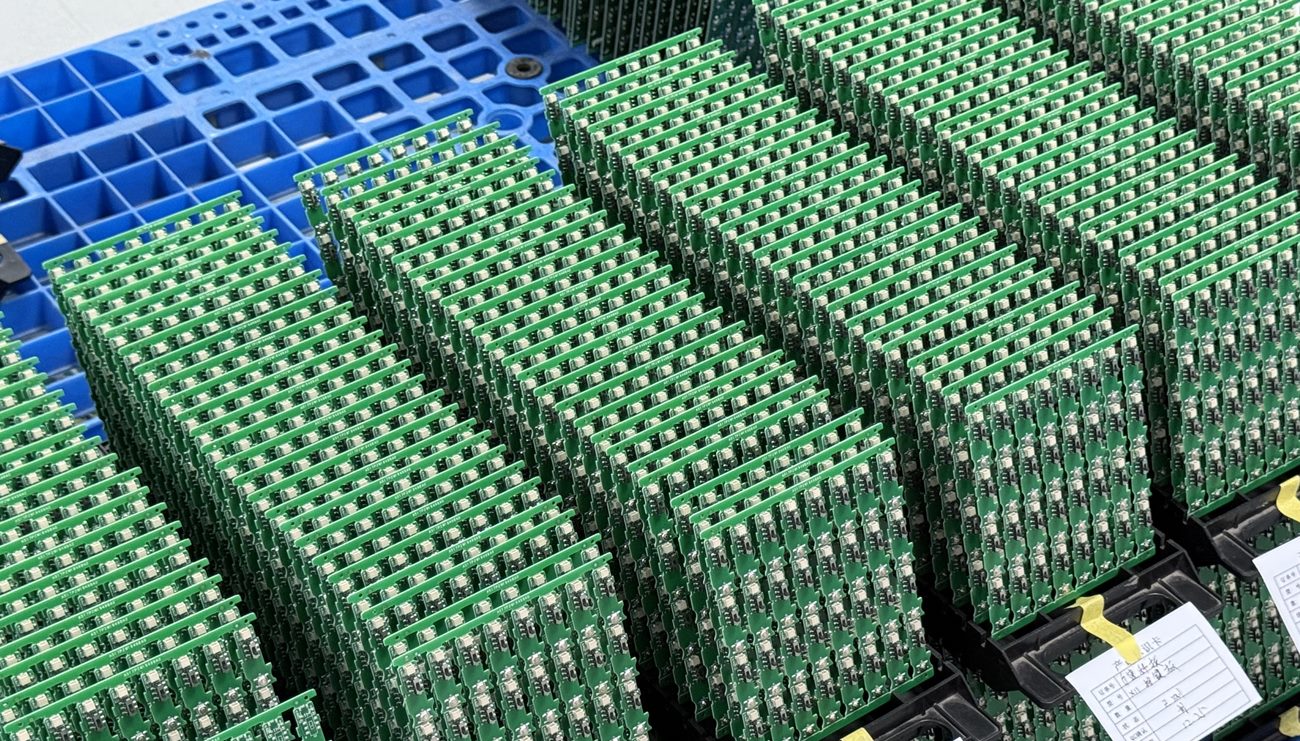
The correct record set depends on product risk, contractual requirements, and the agreed inspection and test plan. Define it before production; a generic certificate or a photo of finished boards is not equivalent to test evidence tied to the shipped lot.
| Record | Purpose | Define before build |
|---|---|---|
| Configuration record | Ties the order to board, BOM, placement, firmware, drawing, and approved-deviation revisions. | Identifiers, approval authority, and retention. |
| Material record | Documents specified or approved parts and selected lot/date information where required. | Required depth and critical items. |
| Inspection record | Captures the agreed visual, AOI, X-ray, or other inspection disposition. | Coverage, criteria, sampling, and reinspection. |
| Programming/test record | Shows the program or test version, unit or lot identity, conditions, and result. | Limits, fixtures, serialisation, and data format. |
| Shipment record | Confirms released quantity, labels, packing, and delivery documents. | Lot/serial mapping and required attachments. |
Common procurement questions
PCB assembly in China: frequently asked questions
Is China PCB assembly always cheaper?
No. Compare the same released scope and include components, setup, fixtures, tests, freight, duties, inventory exposure, engineering changes, and communication cost. A lower assembly line item can produce a higher total project cost if important work is excluded.
Can a supplier choose equivalent components?
Only under the approval rules in the released package. Define allowed alternates or require written approval. An availability or cost advantage does not by itself prove electrical, mechanical, regulatory, or lifecycle equivalence.
How fast can PCB assembly in China be completed?
There is no responsible universal answer. Timing begins with a complete, approved package and depends on PCB fabrication, component availability, setup, assembly, fixtures, testing, rework disposition, packing, and transport. Confirm a project-specific schedule after review.
Should prototypes and production use the same release process?
Both need revision control, but the evidence depth and approval gates may differ. A prototype can expose file, sourcing, assembly, and test issues; repeat production should use the resulting approved configuration rather than an informal copy of the prototype files.
Next engineering step
Start with one controlled PCB assembly package
Use one revision-controlled set of fabrication files, BOM, placement data, drawings, quantities, programming, test limits, quality requirements, and delivery assumptions. Confirm unresolved items and approval authority before procurement begins. For a project-specific scope review, share the released Gerber, BOM, and placement package with the destination and required test records. The response should distinguish confirmed scope from open questions rather than treating assumptions as approval.