
Choosing between TG135, TG150, and TG170 is not simply a matter of buying the laminate with the highest number. The right choice depends on the board's operating temperature, lead-free assembly profile, layer count, copper weight,

Printed circuit board assembly is the controlled process of attaching electronic components to a fabricated bare PCB, inspecting the solder joints, testing the electrical functions, and preparing the completed PCBA for its next manufacturing stage.
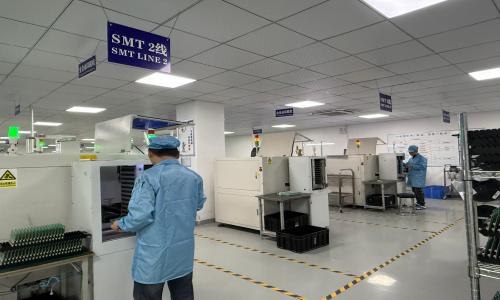
Choosing a circuit board assembly partner is a sourcing decision that affects product quality, launch timing, cost, and supply continuity. For an OEM, the right provider does more than place parts on a board. It
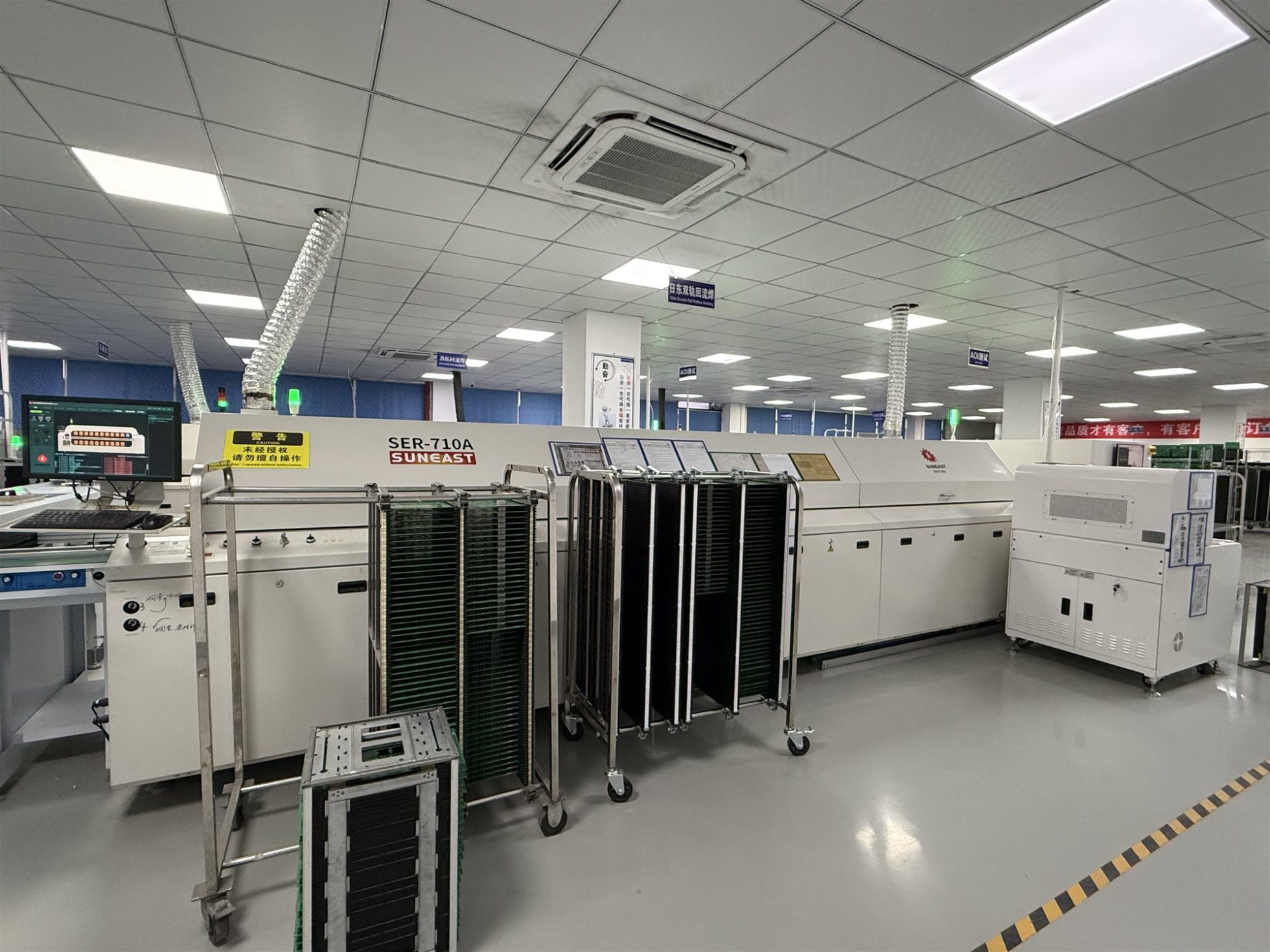
Learn how PCB board assembly works, from solder paste and component placement to inspection, testing, quality records, and supplier evaluation.
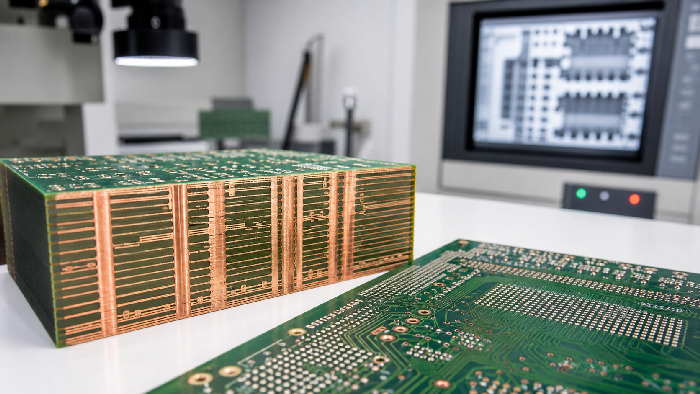
Plan a 12-layer PCB with practical stackup, HDI, impedance, power integrity, DFM, and testing guidance for complex electronics.
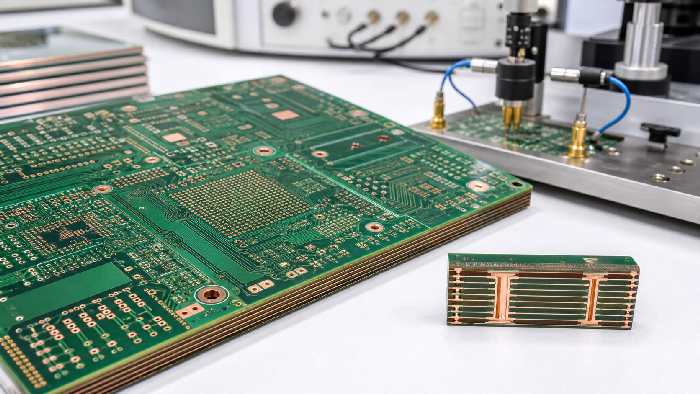
Select a 10-layer PCB manufacturer with stackup engineering, HDI review, impedance control, DFM support, and full PCBA testing.
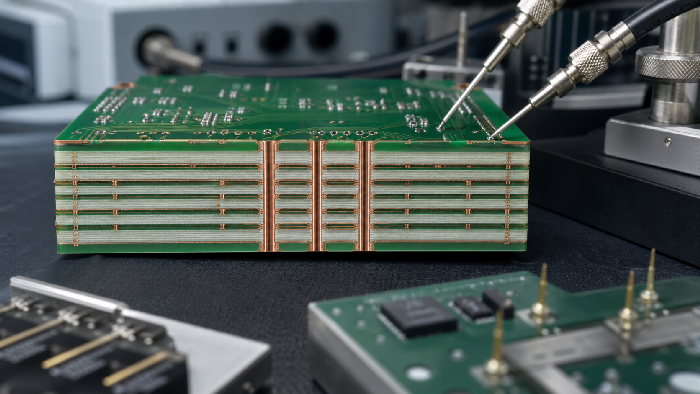
Plan a 10-layer PCB for dense routing, high-speed signals, power integrity, and reliable manufacturing with practical stackup guidance.
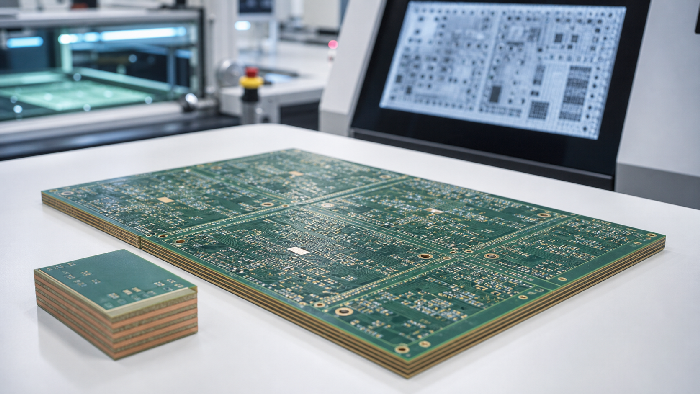
Select an 8-layer PCB manufacturer by evaluating stackup control, HDI capability, impedance review, DFM feedback, and PCBA testing.
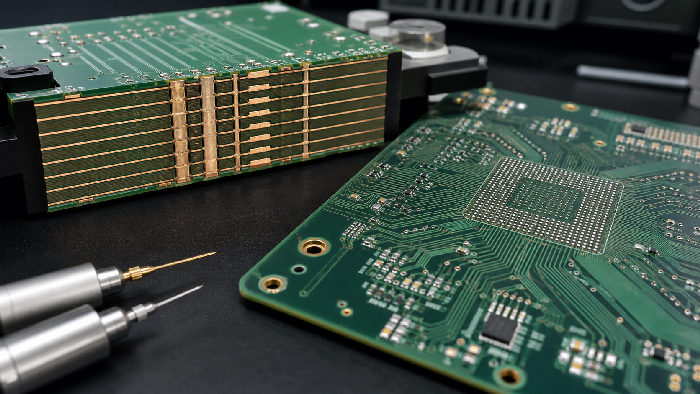
Plan an 8-layer PCB with better routing density, impedance control, power integrity, and DFM margin for complex products.
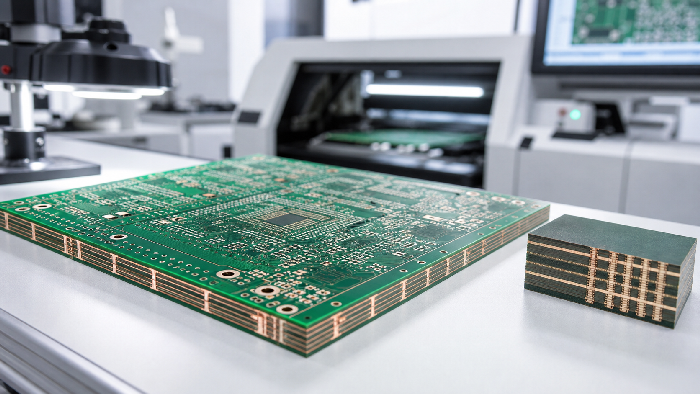
Choose a 6-layer PCB manufacturer that can manage stackup control, impedance, DFM review, lamination quality, and assembly testing.
Email us for a Free Quote: [email protected]

The services we provide
• PCB prototype and fabrication
• Electronic components sourcing
• PCB assembly and box build assembly
• PCBA overall testing
• PCBA program burning
contact us
Phone: +86-18123905375
Email: [email protected]
WhatsApp: +86-18123905375
Wechat: +86-18123905375
Address: 17th Floor,2B Bldg.,Creative Bldg., Time Valley,Heshuikou Community,Matian Street,Guangming Dist.,518106 Shenzhen, China
recent posts
TG135 vs TG150 vs TG170: How to Choose the Right High-Tg PCB Material
Choosing between TG135, TG150, and TG170 is not simply a matter of buying the laminate
Printed Circuit Board Assembly: From Bare PCB to Finished PCBA
Printed circuit board assembly is the controlled process of attaching electronic components to a fabricated
Circuit Board Assembly Services: A Complete Guide for OEM Buyers
Choosing a circuit board assembly partner is a sourcing decision that affects product quality, launch
Quick Link
Copyright © 2012-2026 | Orinew Technology Development Co., LTD . Sitemap