

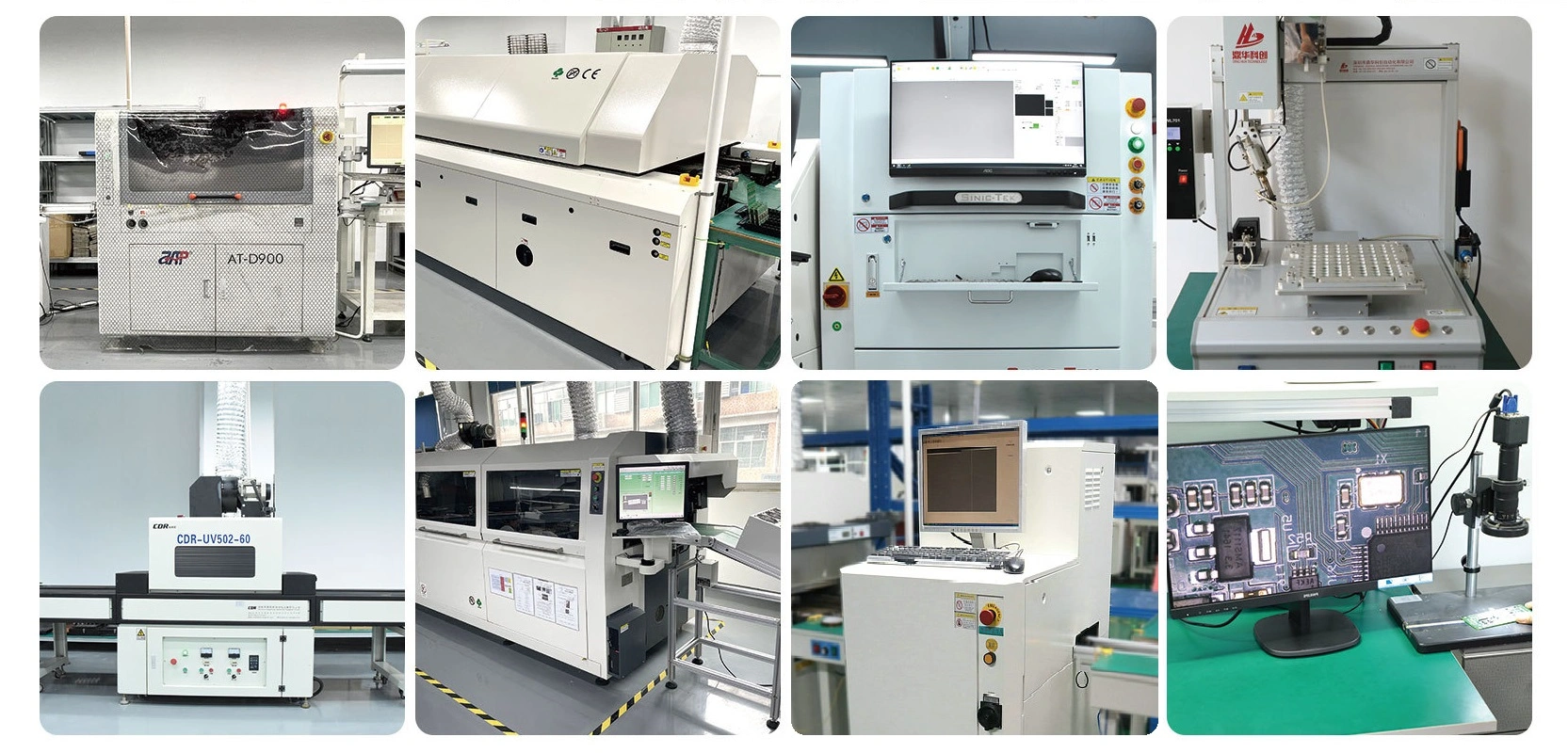
SMT inspection equipment serves several different purposes. Solder paste inspection (SPI) evaluates printed deposits before placement. Automated optical inspection (AOI) checks observable assembly features. X-ray inspection helps examine joints obscured by packages. In-circuit testing

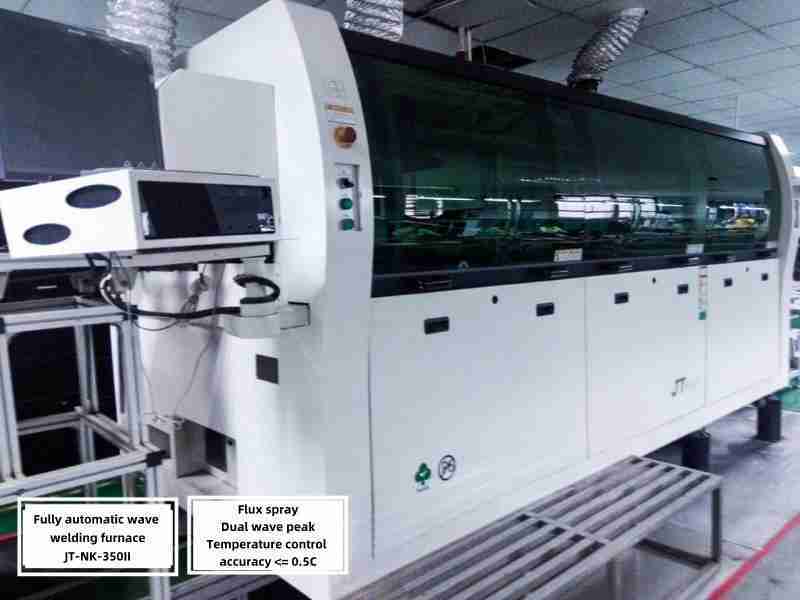
In the wave welding machine, the larger the contact area between the molten welding and the air, the more tin oxide is generated. The size of the contact area is directly related to the opening

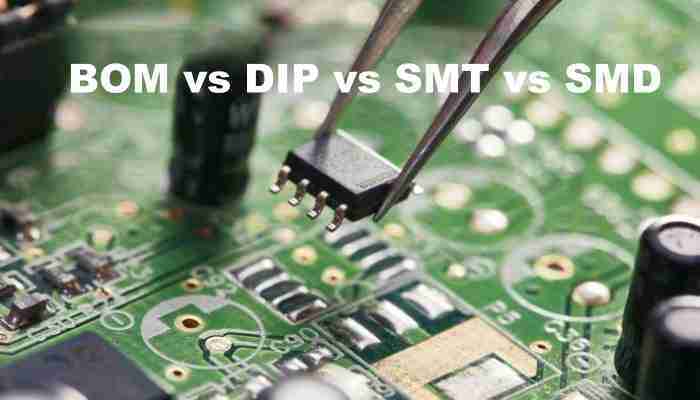
BOM table The Bill of Materials, or BOM (Bill of Material), is a document that describes the product structure in detail in the form of data. In the SMT processing process, BOM includes key information

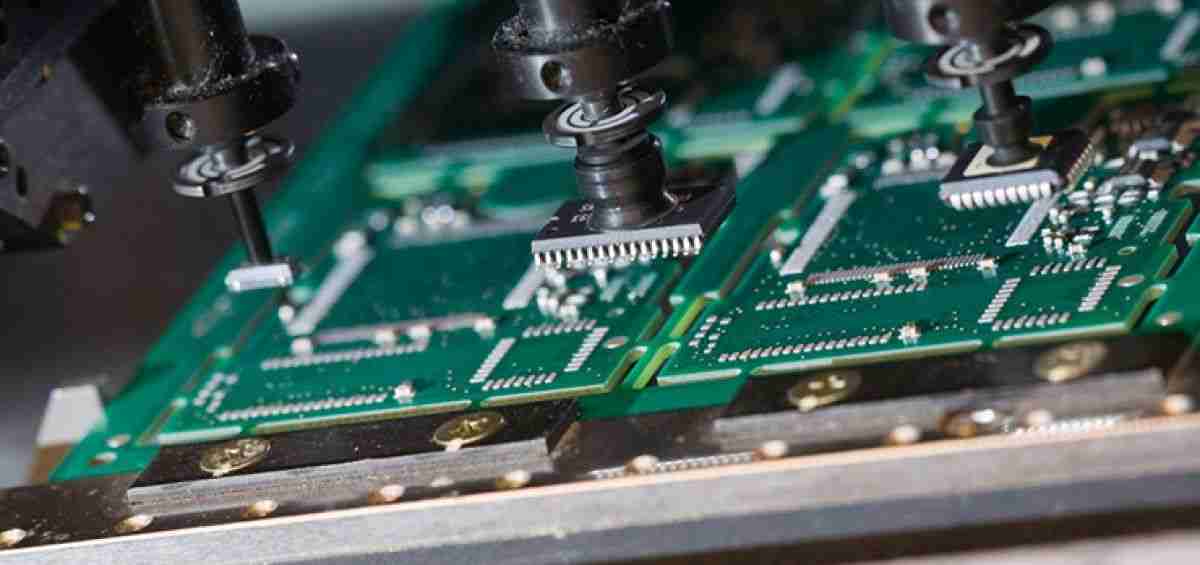
The core processes of SMT processing include solder paste printing, SMT machine operation, and reflow soldering. Only by effectively controlling the SMT process flow can we ensure the excellence of processing quality and improve

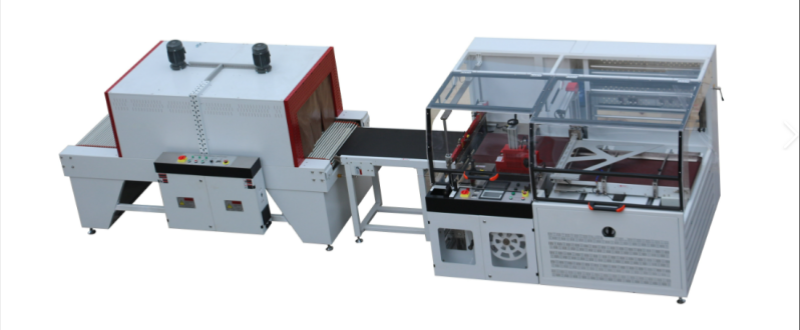
1.Purpose: The operator can use the VS-600 pneumatic packaging machine correctly to avoid improper operation that may affect product quality, cause machine failure, or cause personal injury. 2.Scope: All humidity-sensitive components (PCB, IC, BGA, QFP)

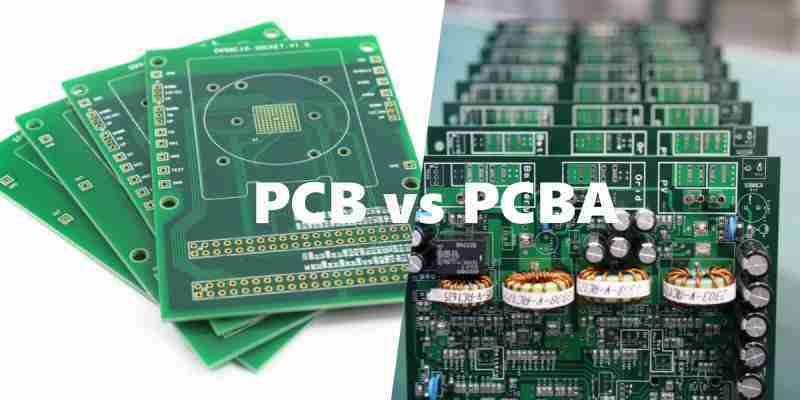
The difference between PCB and PCBA is the assembly state. A PCB, or printed circuit board, is the board that supports and interconnects components. In a bare-board order, it is supplied without mounted components.

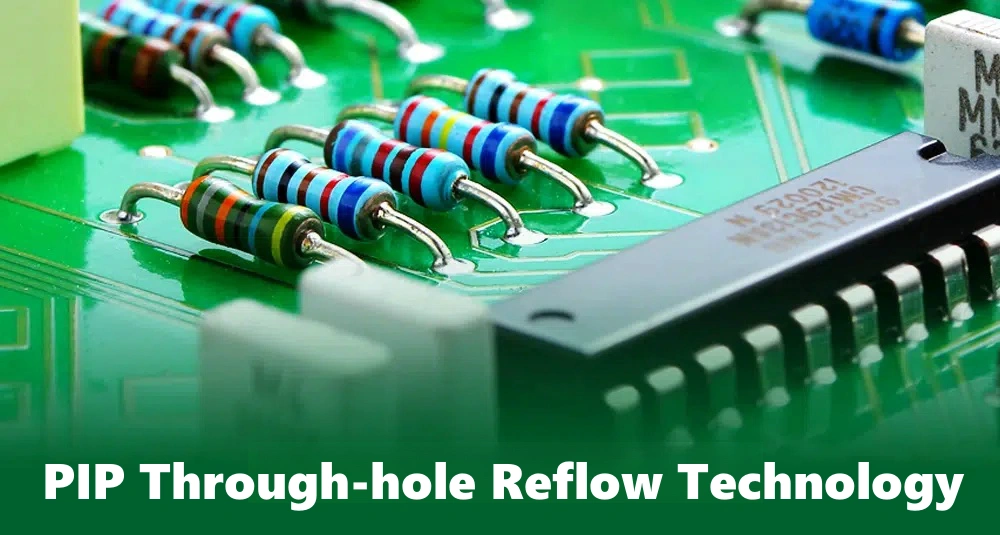
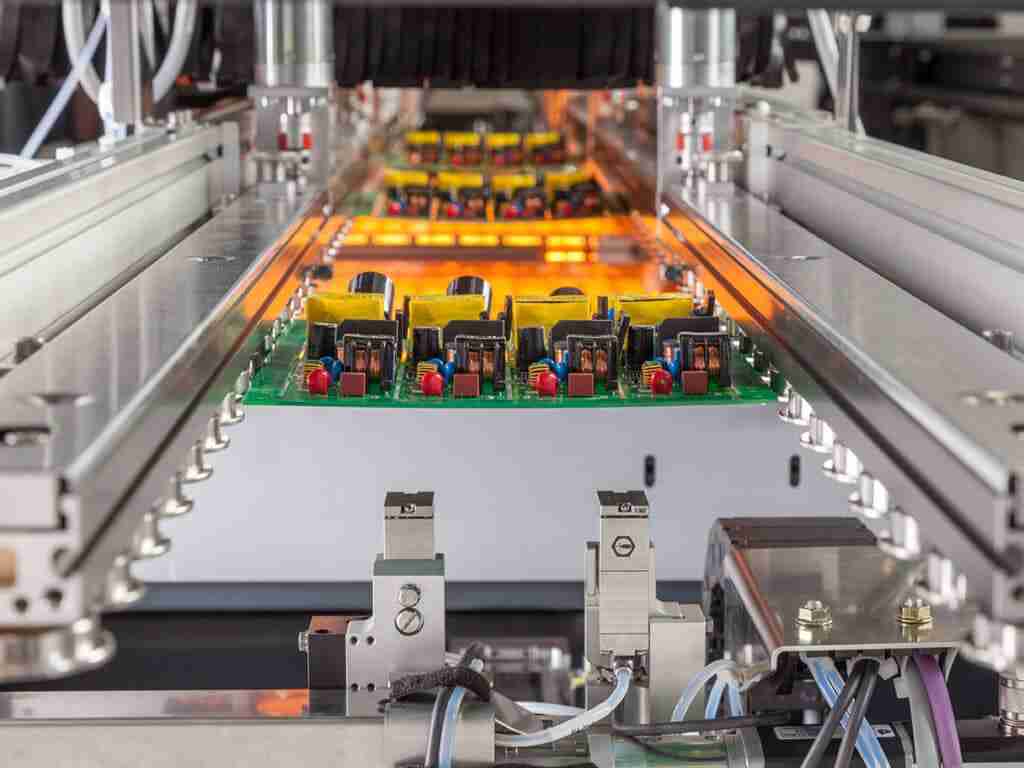
Pin-in-paste soldering places through-hole component leads into printed solder paste and forms the joints in a reflow oven. Also called through-hole reflow (THR) or intrusive reflow soldering, it can combine selected through-hole parts with

During my electronics career, I have been exposed to and used many welding techniques. Initially, I relied mainly on welding irons for welding work. Almost all welding tasks can be completed with a welding iron.
-
PCBA experts know the main benefits of automating the SMT device assembly process: reduced errors, increased yields, and consistent quality, but is automation always better? The use of SMT production line machines has become
-
Manual Welding In many aspects, manual welding has become almost an obsolete technique as more precise and reliable processes have been created. While hand welding was once a great technique, it has gradually declined
Email us for a Free Quote: [email protected]
PCB MANUFACTURING & ASSEMBLY
Start your next PCB project
Share your requirements for PCB fabrication, assembly or component sourcing.

PCB fabrication, assembly and component sourcing — from prototype to production.
Orinew Technology Development Co., LTD.
Contact our team
Address17th Floor, 2B Bldg., Creative Bldg., Time Valley, Heshuikou Community, Matian Street, Guangming Dist., 518106 Shenzhen, China© 2012–2026 Orinew Technology Development Co., LTD.