
Authorized vs. Independent Distributors: Review Component Source Risk
Table of Conent
Table of Conent
Authorized and independent distributors differ in their relationship with the original component manufacturer, but a useful purchasing decision needs more than a seller category. Check authorization for the actual product and market, connect the offered lot to its source records, and confirm handling, support, and acceptance responsibilities. Prefer the manufacturer’s direct or authorized channel where available. Treat any proposed source exception as a documented decision with an owner and defined limits.
For a PCB assembly project, keep source approval separate from approval of a different device. Buying the same manufacturer part number through another channel can change provenance and support without changing the schematic. Replacing that part number can also change electrical, mechanical, software, or assembly requirements. The practical goal is to release material that matches the controlled build and its purchasing restrictions, with unresolved questions visible before the kit reaches production. This guide provides a framework for reviewing those questions.
Verify authorization for the actual manufacturer and product
Verify the seller’s authorized scope using the component manufacturer’s current information. A familiar company name or a long linecard does not establish authorization for every product it offers.
An authorized distributor has a manufacturer-defined relationship for the relevant products and territory. An independent distributor may obtain stock through other supply-chain routes. The independent label alone does not establish that a lot is counterfeit, and the authorized label should still be checked against the transaction being proposed.
TI’s current authorized-distributor page identifies its purchasing channels and distinguishes additional channels for particular markets or product forms. It also explains that different warranty terms may apply to certain channels. Use that current manufacturer page rather than a copied distributor list or an old presentation.
TrustedParts’ authorized-channel explanation emphasizes that authorization can apply to a product set and region. Its inventory service requires evidence of authorization. Use an authorized-channel search to locate candidates, then check the actual seller, orderable part, region, and purchase terms for the proposed transaction.
Keep a dated record of what was checked. Include the manufacturer, complete orderable part number, seller’s legal identity, and evidence URL or document. If the supplier name on the quotation differs from the entity receiving the purchase order or shipping the material, resolve that relationship before treating the source as approved.
Compare the evidence attached to the offered lot
Review the specific offered material and its records. A supplier capability statement explains a business process; it does not by itself establish the history of a particular reel or tray.
Ask what connects the offered manufacturer part number, quantity, lot or date identifiers, packaging labels, and transaction records. Identify which records come from the original manufacturer or authorized channel and which are statements issued by the current seller. Preserve gaps instead of converting a general certificate into an unsupported claim of uninterrupted traceability.
| Evidence area | Review question | Action when unresolved |
|---|---|---|
| Authorization | Does the manufacturer identify the relevant seller and product scope? | Obtain current scope evidence or identify a source exception. |
| Custody | Which records connect the material to its upstream source? | Record the missing relationship and its review owner. |
| Identity | Do part, quantity, lot identifiers, labels, and documents agree? | Hold the affected material for reconciliation. |
| Handling | What storage, packaging, repacking, or exposure history is available? | Review the applicable manufacturer requirements and missing history. |
| Support | Who accepts returns and investigates a suspected problem? | Confirm the proposed remedy and exclusions before purchase. |
TI’s anti-counterfeit guidance warns that counterfeit markings and labels can resemble authentic ones. It recommends direct or authorized sourcing and describes the risks and support limitations of other channels. A photograph or a matching top marking should therefore be treated as one observation, not conclusive proof of origin.
For moisture-sensitive or otherwise handling-sensitive material, request the records relevant to that exact device and package. An intact-looking bag cannot establish every condition before packing. Avoid inventing a universal age limit or assuming that every older date code is unacceptable. Apply the manufacturer’s requirements and the customer’s approved purchasing constraints.
Keep sourcing approval separate from part substitution
Classify the proposed change before assigning reviewers. A source-only change, a packaging change, and a different manufacturer part number can create different questions.
For a source-only change, preserve the exact approved manufacturer and order code while reviewing source evidence, support, and purchasing restrictions. For a delivery-format change, check receiving identity, feeder presentation, repacking, and applicable handling controls. For a different device, use controlled BOM alternate approval to assess the application-specific differences before changing the released design.
When preparing a source review, share the BOM and source restrictions with candidate identities, quantities, and the open documentation questions so sourcing feasibility and the assembly implications can be reviewed together.
Define who can approve each decision. Purchasing can collect evidence and compare offers. The designated engineering and quality owners resolve technical differences and source exceptions within their assigned authority. A supplier’s suggested substitute remains a proposal until the responsible owner approves its allowed scope.
Record whether approval applies to one lot, one board revision, a limited evaluation build, or repeat production. State the effective release and any remaining conditions. A prior emergency purchase should not silently become the default source for later orders. Keep the decision record accessible to receiving and production, rather than leaving approval only in a buyer’s email.
Define receiving controls before accepting an exception
Define the receiving and release plan before committing to exceptional material. The plan should state what will be checked, who reviews the evidence, and what happens if the result is inconclusive.
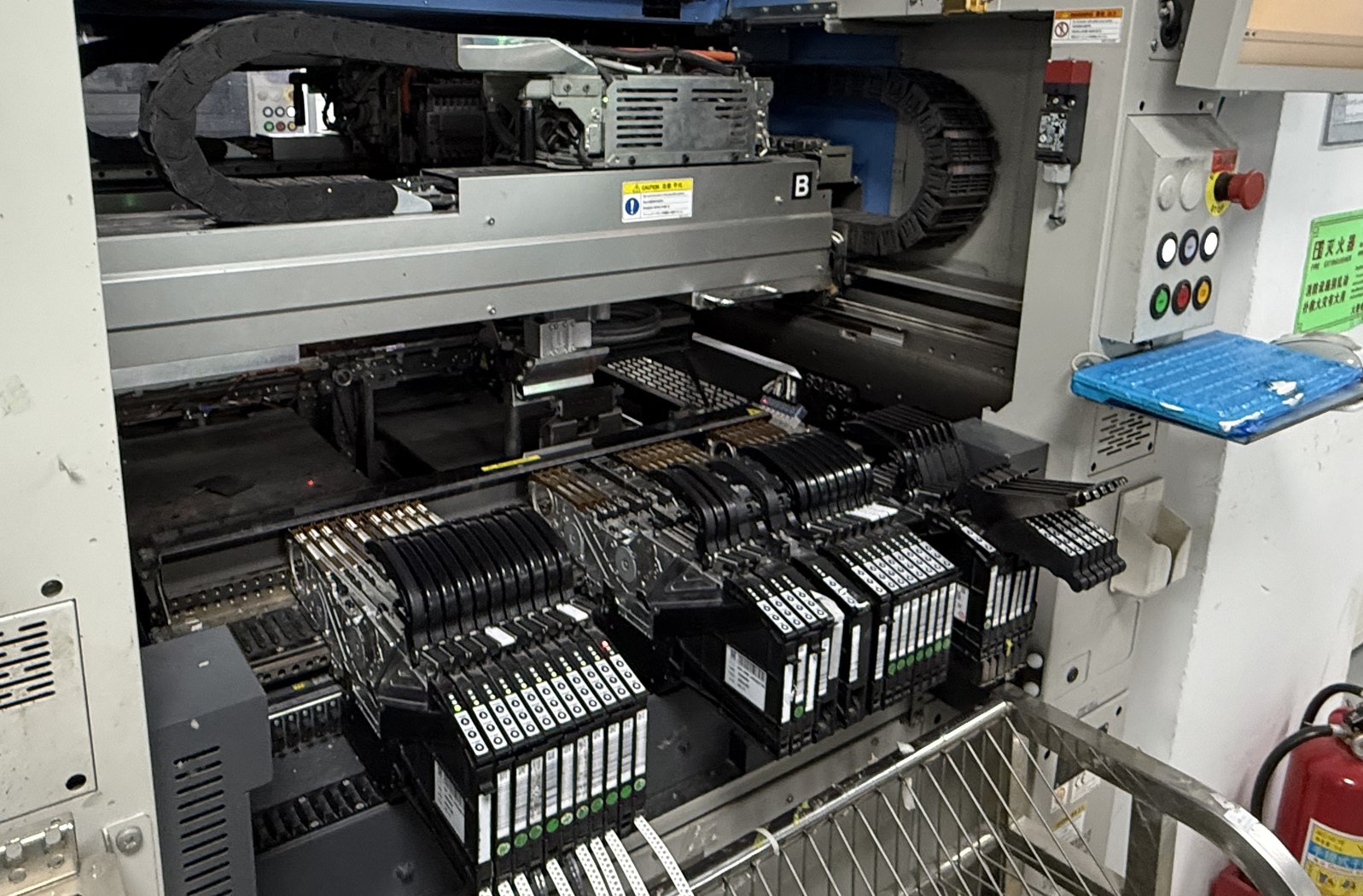
A receiving review can reconcile the shipment against the purchase order, approved source, exact device identity, quantities, labels, and required documents. Keep material awaiting disposition distinguishable from an approved production kit. Define how split reels, mixed lots, partial shipments, and repacked material retain the identifiers required by the project.
Additional examination or testing must answer a defined question. Ask which characteristics are examined, how samples relate to the offered lot, what methods and acceptance criteria apply, and which uncertainties remain. A general “tested” statement without scope does not tell the buyer whether electrical function, package condition, or another attribute was evaluated.
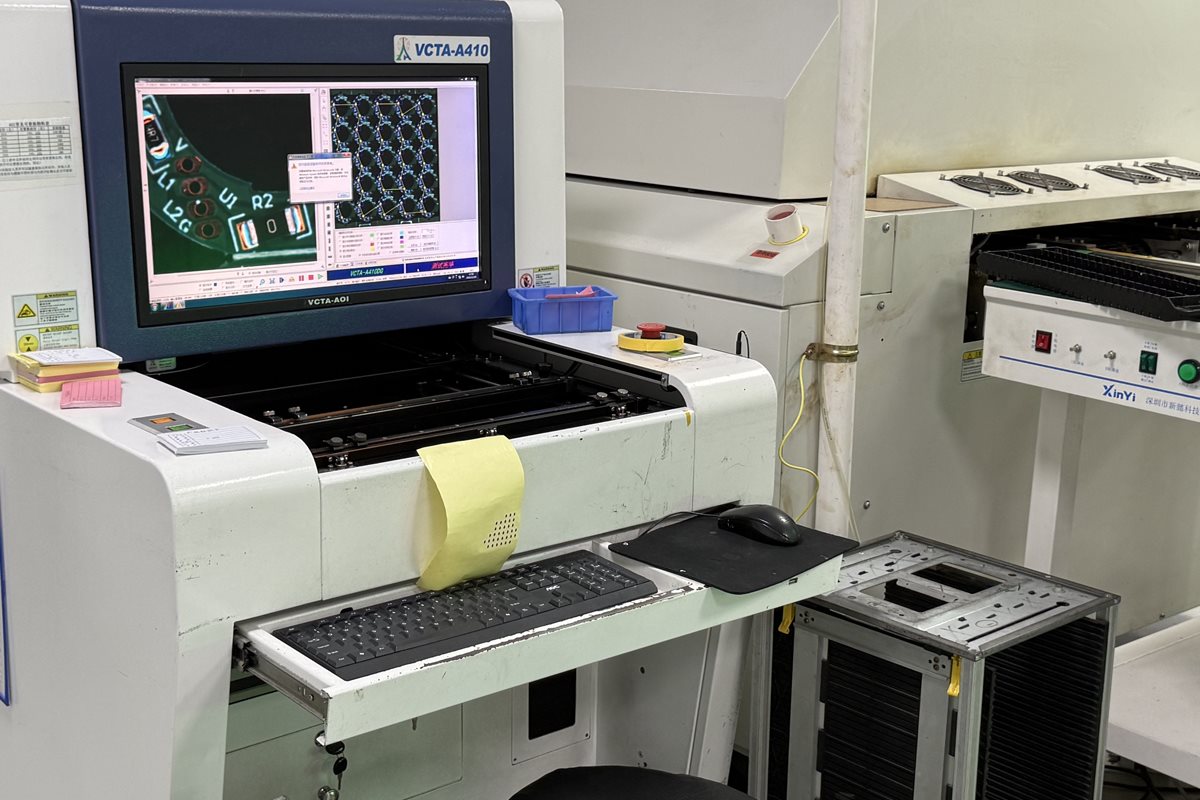
Assembly inspection addresses another boundary. A populated board may pass visible assembly checks without establishing the upstream history of each component. Likewise, source documents do not prove soldering quality. Keep the two evidence sets associated with the build while retaining their different meanings.
If evidence conflicts, retain the original records and record the disposition. Define who can release, return, further investigate, or reject the material. Do not mix unresolved items into an accepted kit while waiting for a supplier response. Testing and inspection can support a stated acceptance decision; they do not create a manufacturer authorization relationship.
Price the complete sourcing decision, including recovery
Compare the accepted, usable material and its recovery obligations rather than only the quoted unit price. Availability is useful when the material can pass the agreed release process in time for the build.
ADI’s post-sales support policy links support and warranty to its authorized sales channels and explains limitations for non-authorized sources. Check the actual manufacturer policy and seller terms for each offer. Do not assume that the current seller’s return promise provides the same failure-analysis path or remedy.
| Comparison item | Basis to align | Question affecting the decision |
|---|---|---|
| Material price | Exact approved device, quantity and packaging | Are minimum purchases and unused balances included? |
| Release date | Evidence review, receiving checks and approval holds | When is material available for production use? |
| Additional work | Agreed examination, testing, repacking or evaluation | Who pays and who authorizes the work? |
| Recovery | Return conditions, investigation and replacement proposal | What happens if the lot cannot be accepted? |
OrinewPCB’s video below discusses BOM cost-reduction proposals after product finalization. Use it as context for reviewing sourcing choices; each proposed channel or replacement still needs the project’s own approval and evidence.
Consider an illustrative shortage case: a seller can ship immediately, but the upstream documents are incomplete and acceptance work has not been defined. The assembly start date remains unresolved even though the shipping date is known. Compare that uncertainty with an authorized-channel delivery proposal using the same production need date and acceptance boundary.
Release one sourcing package for the assembly build
Connect approved material sources and exceptions to the same configuration used for fabrication, assembly, programming, and testing. The release should make clear what purchasing may buy and what production may fit.
Use PCBA variant release records to keep approved population options and build identities consistent. Include the current BOM, exact manufacturer identities, source restrictions, authorized alternates, customer-supplied items, and any lot-specific approvals. State whether mixed sources or lots are permitted and how the required records follow the assembled units.
The full-turnkey PCB assembly scope can coordinate board fabrication, component procurement, assembly, and agreed testing. Define the project-specific sourcing requirements and evidence deliverables explicitly. A general service description does not establish that every seller, lot, or exceptional source has already been approved.
A useful distributor comparison ends with an executable purchasing and receiving decision, including its remaining limits. For an upcoming build, provide the controlled sourcing and assembly package with Gerbers, BOM, placement files, quantities, test requirements, and unresolved source questions so the manufacturing and quotation scope can be assessed together.
Latest Blog




Contact Info
Phone: +86-755-82882936
Email: [email protected]
WhatsApp: +86-13570802455
Wechat: +86-13570802455
Address: 2nd floor,D Bldg.,Electric Link Technology Bldg.,Gongming,Guangming New Dist.,518106 Shenzhen, China
