
Circuit Board Assembly Services: A Complete Guide for OEM Buyers
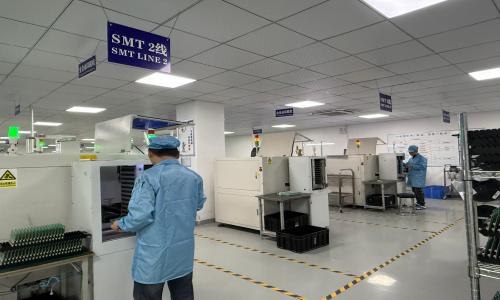
Table of Conent
Table of Conent
Choosing a circuit board assembly partner is a sourcing decision that affects product quality, launch timing, cost, and supply continuity. For an OEM, the right provider does more than place parts on a board. It helps turn a release package into repeatable, testable production and gives engineering and purchasing teams clear information when something changes.
This guide explains what circuit board assembly services include, how the process works, and how to evaluate a supplier before placing a production order. It is written for teams buying a new build, transferring an existing product, or qualifying a second source.
What are circuit board assembly services?
Circuit board assembly services convert a fabricated bare printed circuit board into a functioning electronic assembly. A supplier receives the PCB design files, bill of materials, assembly drawings, and test requirements. It then sources components, mounts them using automated and manual processes, inspects the result, tests the unit, and ships the finished product according to the agreed packaging and traceability requirements.
The terms pcb assembly, assembly pcb board, and printed circuit board assembly are often used interchangeably. In procurement documents, it helps to be specific about the scope. A quote for board assembly may include only placement and soldering, while a full-service program can also include component procurement, box-build work, conformal coating, programming, functional test, and fulfillment.
For OEM buyers, the most useful definition is practical: a circuit board assembly service should provide a controlled path from released design data to verified product. That path should be visible in the supplier’s quotation, manufacturing plan, inspection records, and communication process.
The core stages of a PCB assembly program
Although every product has unique requirements, a capable provider follows a disciplined sequence. Understanding that sequence makes it easier to compare supplier proposals.
1. Engineering review and DFM
Before material is ordered, the supplier should review the release package for manufacturability. This design-for-manufacturing review compares the Gerber or ODB++ data, pick-and-place file, BOM, assembly drawing, and fabrication specification. The goal is to find issues while changes are inexpensive.
Common DFM questions include:
- Are component footprints and polarity markings clear?
- Are pad sizes, paste apertures, and solder-mask openings appropriate for the selected package?
- Do component clearances allow automated placement and rework?
- Is the panel design suitable for the assembly line and depaneling method?
- Are there test points for in-circuit or functional test?
A good review does not mean a supplier redesigns the product without approval. It means the supplier identifies risks, explains the production impact, and documents the customer’s decision. This is especially important for fine-pitch BGAs, bottom-terminated components, high-density layouts, and boards that require selective soldering.
For more guidance on starting from the board itself, see PCB manufacturing.
2. Component sourcing and BOM control
Component procurement is often the largest schedule and risk variable in a printed circuit board pcb assembly program. The assembler should validate manufacturer part numbers, approved alternates, lifecycle status, package details, and lead times before committing to a delivery date.
Ask how the supplier handles allocation, non-cancelable and non-returnable parts, and brokered material. For critical components, request lot traceability and a documented incoming-inspection approach. Substitutions should be controlled through an approved BOM process, not made informally to keep a line running.
The best supplier for a low-cost prototype is not always the best choice for a recurring production build. An OEM with planned volume needs a partner that can provide visibility into component exposure and offer practical options such as alternate qualification, scheduled buys, or customer-owned inventory.
When comparing a printed circuit board assembly manufacturer, also ask whether its purchasing team works directly from approved manufacturer part numbers and whether it can explain the source of every quoted component. This is a practical safeguard against counterfeit risk, unintended package substitutions, and schedule surprises. For parts with long lead times, the supplier should identify the risk before a purchase order is released and present approved options with their cost, qualification, and delivery effects.
3. SMT, through-hole, and mixed-technology assembly
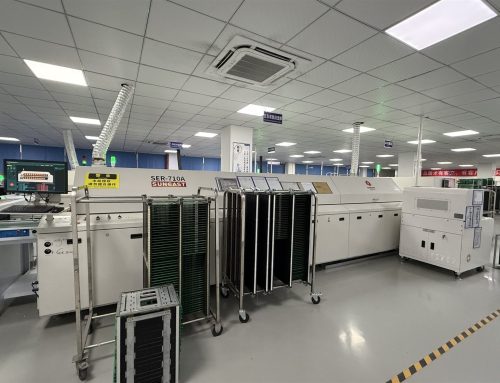
Most modern circuit board assembly uses surface-mount technology (SMT). Solder paste is printed onto pads, automated equipment places components, and the board passes through a controlled reflow oven. The process relies on accurate machine programs, material handling, stencil quality, and a stable thermal profile.
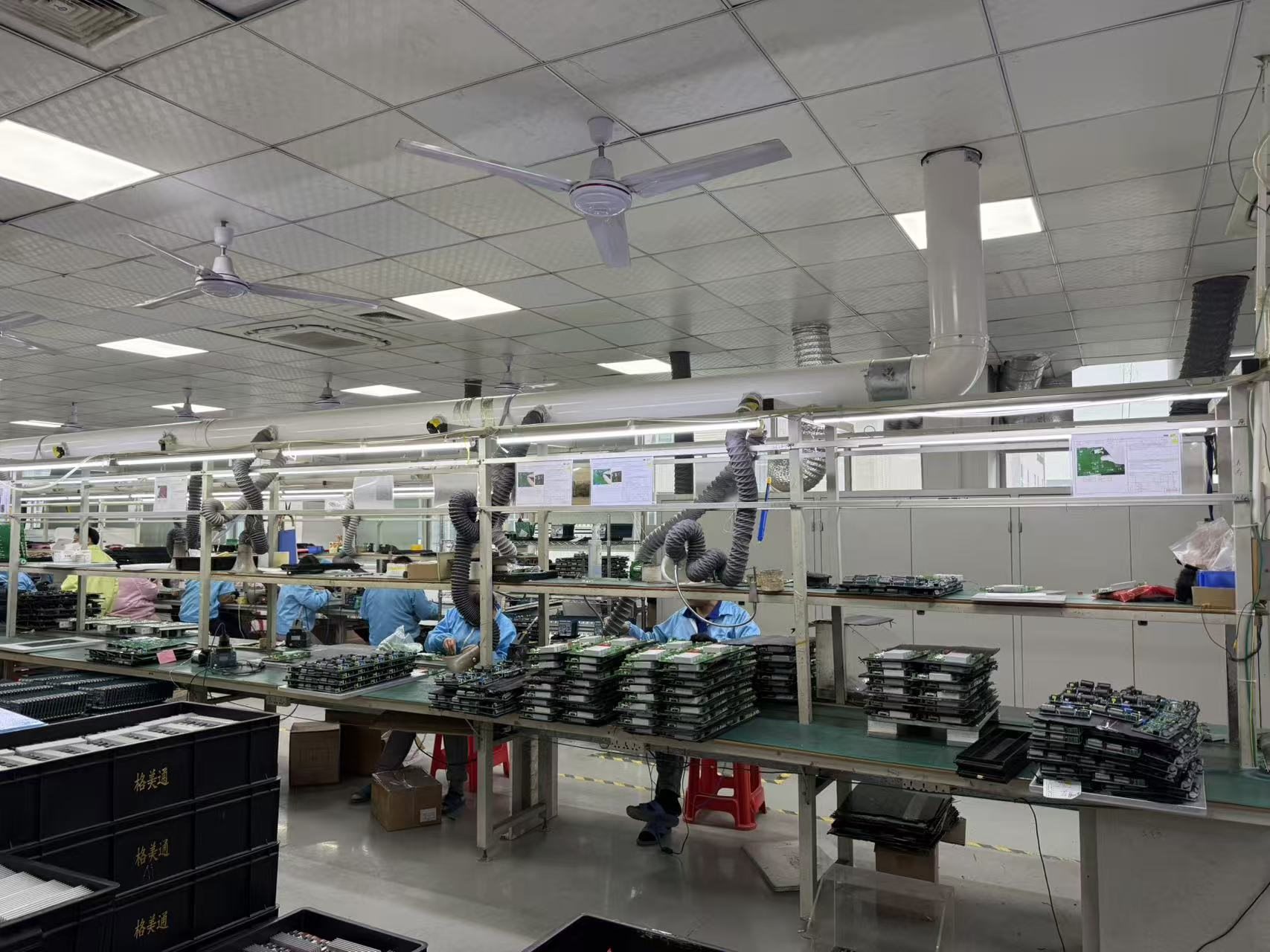
Through-hole parts may be installed by hand, wave soldering, or selective soldering. Mixed-technology boards combine these methods and require the production plan to protect already placed surface-mount parts while producing reliable joints on connectors, transformers, and other leaded components.
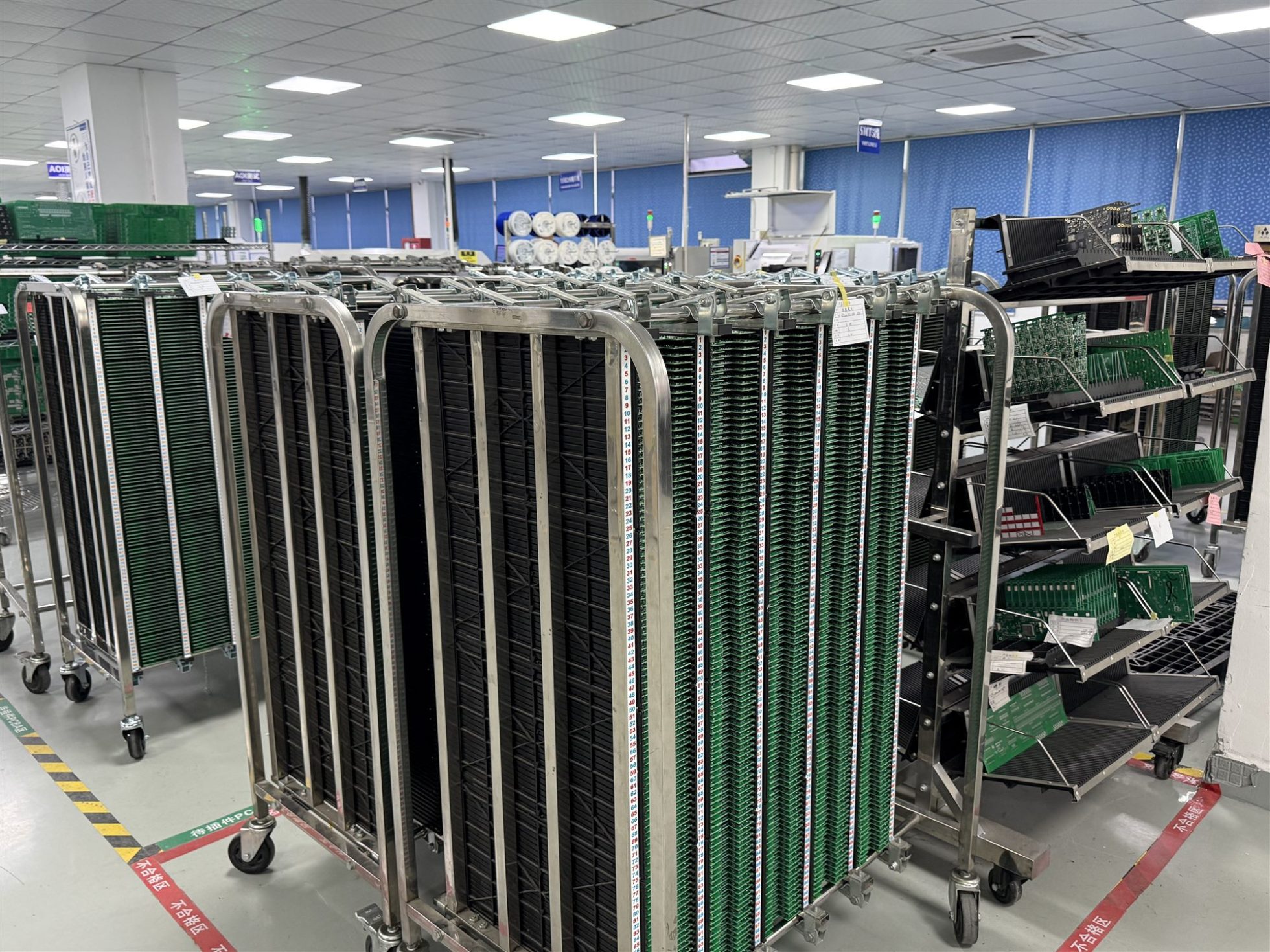
The equipment list matters, but process control matters more. Ask the supplier how it verifies solder paste, monitors reflow profiles, controls moisture-sensitive devices, and prevents mix-ups between similar components. A documented first-article process is valuable because it connects the released design to the actual machine setup before volume production begins.
Learn more about the relevant production method in SMT assembly.
Inspection and testing: what quality control should include
Quality control should be planned around the product’s failure risks. Visual inspection alone is not enough for many assemblies. A meaningful plan typically combines process checks with inspection and electrical verification.
Automated optical inspection and X-ray
Automated optical inspection (AOI) checks visible solder joints, component presence, polarity, markings, and placement position. It is effective for catching many common assembly defects, but it cannot see hidden connections underneath BGAs, QFNs, or other bottom-terminated packages.
X-ray inspection can reveal voiding, bridging, opens, and ball alignment beneath those packages. It is not required for every board, but it is often appropriate for complex packages, safety-critical assemblies, or a new product introduction where process data is still being established.
Electrical and functional test
In-circuit test (ICT), flying-probe test, and functional test answer different questions. ICT or flying-probe test can verify nets and component-level values. Functional test checks whether the assembled product performs its intended operation with power, firmware, interfaces, and expected inputs.
Buyers should define the test expectation early. A supplier cannot create a robust functional test from a vague instruction to “power it on.” Provide acceptance criteria, fixture needs, firmware-loading steps, pass/fail limits, and a process for recording serial numbers and results. Test coverage should be proportionate to product risk and volume.
For a related overview of production controls, visit PCB board assembly process and quality control.
How to compare circuit board assembly suppliers
Price is important, but it is not a complete comparison. A low unit price can hide excluded activities, weak material controls, or avoidable delays. Use the same release package and requested scope when asking suppliers to quote. Then compare the answers across the following areas.
Manufacturing capability
Confirm that the supplier can build your board today, not simply that it owns general-purpose equipment. Review component sizes, BGA pitch, package types, board dimensions, layer count, copper weight, panel format, and required processes such as conformal coating or press-fit connectors. If your product has unusual parts, ask for relevant production examples and the associated inspection method.
Quality system and traceability
For a production program, ask what records will be available after shipment. Useful records include material lot data, first-article approval, AOI or X-ray data where applicable, test results, nonconformance reports, and shipment history. Certifications can be a useful signal, but they do not replace a review of the actual controls that apply to your order.
Communication and change management
Strong suppliers manage changes in writing. They identify a BOM discrepancy, DFM issue, or component substitution request with enough detail for the customer to make a decision. They also preserve revision control across design files, purchase orders, and work instructions.
Ask who owns engineering questions, what information appears in a build report, and how quickly the team communicates a material or production exception. Clear ownership reduces the risk that purchasing receives a schedule update without the engineering context needed to respond.
Commercial fit
Compare minimum order quantities, setup fees, non-recurring engineering charges, payment terms, inventory obligations, warranty handling, and logistics options. The right commercial model depends on the program. Prototype work benefits from fast feedback and flexible quantity. Repeat production benefits from stable material planning, agreed safety stock, and predictable change control.
If you are considering a supplier with end-to-end capability, review why buyers choose prototype and custom PCB assembly services before requesting a quote.
Information to send when requesting a quote
An accurate quote begins with a complete, internally consistent data package. At a minimum, provide:
- Gerber, ODB++, or IPC-2581 fabrication data and a readable board drawing
- BOM with manufacturer part numbers, quantities, reference designators, and approved alternates
- Centroid or pick-and-place file
- Assembly drawing showing polarity, special processes, and mechanical requirements
- Fabrication specification, stackup, finish, controlled-impedance requirements, and panel preferences
- Test requirements, firmware-loading instructions, and any fixture information
- Forecast quantity, target lead time, delivery location, and packaging requirements
For existing products, include known production issues and field-return patterns where appropriate. That information can help the assembler focus its review on the risks that matter most. For example, a product with intermittent connector failures may need a more specific solder-joint inspection criterion than a standard visual check.
Questions to ask before issuing a purchase order
Before selecting a provider, use a short qualification call to clarify the proposal. These questions usually reveal whether the supplier understands production ownership:
- What DFM findings do you expect to report, and how are they approved?
- Which components create the longest lead-time or sourcing risk?
- What inspection and test steps are included in the quoted price?
- How will serial numbers, material lots, and test results be recorded?
- What is the first-article approval process?
- How are component substitutions and design revisions controlled?
- What information will be included in the final build and shipment report?
The answers should be specific to your product. General assurances about quality are less useful than a clear statement of how the supplier will source, build, inspect, test, and document the assembly.
A practical supplier-selection approach
Start by defining the outcomes that matter for the program: a prototype date, a target unit cost, test coverage, controlled sourcing, or long-term production resilience. Then weight suppliers against those outcomes rather than selecting solely on the first quote.
For a new OEM product, a sensible path is to request a DFM review and pilot build before committing to larger volume. Review the first-article data, test yield, open issues, and communication quality. This gives the engineering and procurement teams evidence about the supplier’s execution, not just its sales presentation.
For a mature product transfer, focus on documentation completeness, approved sources, process replication, and a controlled first production lot. The provider should be able to explain how it will preserve the validated characteristics of the existing build while addressing any known supply or quality risks.
Final takeaway
Circuit board assembly services should give OEM teams more than assembled hardware. They should provide a repeatable manufacturing process, reliable component control, appropriate inspection and test, and records that support future decisions. A clear DFM review, controlled BOM, defined test plan, and transparent communication are the foundations of a successful supplier relationship.
When you need an experienced partner for sourcing and electronics manufacturing, OrinewPCB offers PCB and PCBA support for programs that need practical engineering coordination and production-focused service.
Latest Blog
Contact Info
Phone: +86-755-82882936
Email: [email protected]
WhatsApp: +86-13570802455
Wechat: +86-13570802455
Address: 2nd floor,D Bldg.,Electric Link Technology Bldg.,Gongming,Guangming New Dist.,518106 Shenzhen, China