
AS9100 PCB Supplier Review: Connect Scope to Build Evidence
Table of Conent
Table of Conent
An AS9100 PCB supplier review should connect the organization’s certified scope with the work and evidence required for your actual build. Start with the legal entity, manufacturing site, activities, and current certification status. Then define the board or assembly configuration, process responsibilities, acceptance criteria, and records expected at delivery. A certificate helps evaluate the supplier’s quality management system; it does not supply the missing engineering requirements for a particular product.
For an aerospace procurement team, the useful next step is to test that connection with a representative requirement. Ask how a released drawing characteristic becomes a manufacturing instruction, an inspection or test result, a disposition when necessary, and a record associated with the delivered item. Identify gaps before award, especially where fabrication, assembly, external processing, or testing involves different locations or organizations. This guide describes a purchasing review method, with project-specific certification eligibility and acceptance decisions assigned to the responsible customer.
Verify the certified entity, site, and activities
Verify the organization and work covered by the certificate before comparing supplier claims. Match the proposed contracting and manufacturing arrangement to the current certification evidence.
IAQG’s 9100 overview identifies a quality management system standard developed for aviation, space, and defense organizations, with additional requirements over an ISO 9001 system. Treat that organizational evidence separately from product specifications, customer approvals, and the acceptance records required for the order.
IAQG’s OASIS introduction describes its supplier certification and registration resource for the 9100 series. Use the current scheme information to check the supplier record and resolve discrepancies with the certificate or the relevant issuing body. Record the review date and what was actually verified rather than relying on an undated website badge.
Check the legal name, site address, certificate identifier, applicable standard, stated activities, and validity or status information available for review. If the quotation comes from a sales entity while production occurs elsewhere, ask how those organizations and locations relate. A matching brand name does not answer that question.
Keep unresolved scope questions visible. For example, a certificate describing an assembly activity does not by itself explain the certification status or approval of a separate bare-board source. Obtain the applicable records and customer decision instead of extending a statement beyond its written boundary.
Map the quoted work to its actual process owners
Map every quoted operation to the organization and location performing it, then identify the evidence required from each handoff. A single commercial quotation can contain several manufacturing and verification boundaries.
IAQG’s certification-scheme description explains the relationship among the scheme, certification bodies, and OASIS information. That framework supports checking organizational certification. Your purchasing review still needs to connect the proposed manufacturing route with the product and supplier requirements flowed down by the customer.
| Quoted activity | Ownership question | Evidence to identify |
|---|---|---|
| Bare-board fabrication | Which site builds the released construction? | Applicable scope, approved source, fabrication and acceptance records |
| Component procurement | Who selects sources and approves exceptions? | Released BOM, purchasing restrictions and material identity records |
| Assembly and programming | Who controls files, process setup and configuration? | Assembly revision, programming identity and process records |
| External processing or testing | Which organization performs the work and reviews the result? | Required approvals, procedure, results and acceptance authority |
| Final release | Who reviews the complete record before shipment? | Defined delivery package and disposition of open items |
Use this map as a proposed procurement aid, not an official certification audit form. Add the operations that your design actually needs, such as protective finishing, mechanical integration, or a specified laboratory test. Avoid assuming that every operation requires the same approval or that one supplier’s scope automatically extends to an outside organization.
Identify the owner of each interface. If the fabrication supplier changes a material or an external processor reports an exception, state who receives the notice and who may authorize the next step. The commercial lead supplier should explain the proposed coordination without hiding the actual manufacturing route.
When evidence access or capture affects the proposed route, share the drawing and required evidence list with the configuration and quantities so manufacturing feasibility, record ownership, and quotation scope can be reviewed together.
Trace one requirement through a representative build
Test a representative requirement from the released engineering package through the evidence delivered with the product. This checks whether the proposed records answer a real acceptance question.
Select a requirement that matters to the actual design and can be discussed without disclosing another customer’s confidential data. Examples include a specified construction feature, an assembly configuration, or an observable functional response. Use a controlled demonstration record or appropriately redacted example when reviewing supplier methods before your own build exists.
| Record stage | Question to ask | Gap that needs resolution |
|---|---|---|
| Released requirement | Which drawing, revision and characteristic define acceptance? | Conflicting files or unspecified limits |
| Manufacturing instruction | How does the requirement reach the responsible operation? | Informal instructions or an unassigned handoff |
| Inspection or test | Which method, configuration and result demonstrate the requirement? | A pass statement without the relevant coverage |
| Exception or change | Who authorized the disposition, and where does it apply? | An unexplained correction or missing approval |
| Delivered identity | How is the evidence associated with the shipped lot or unit? | A report that cannot be tied to the delivered item |
Use unit-level build history to organize the connection among material, assembly identity, firmware, inspection, rework, and final status where the project requires that detail. Traceability depth should follow the agreed requirements rather than an unsupported claim that every record is always serialized.
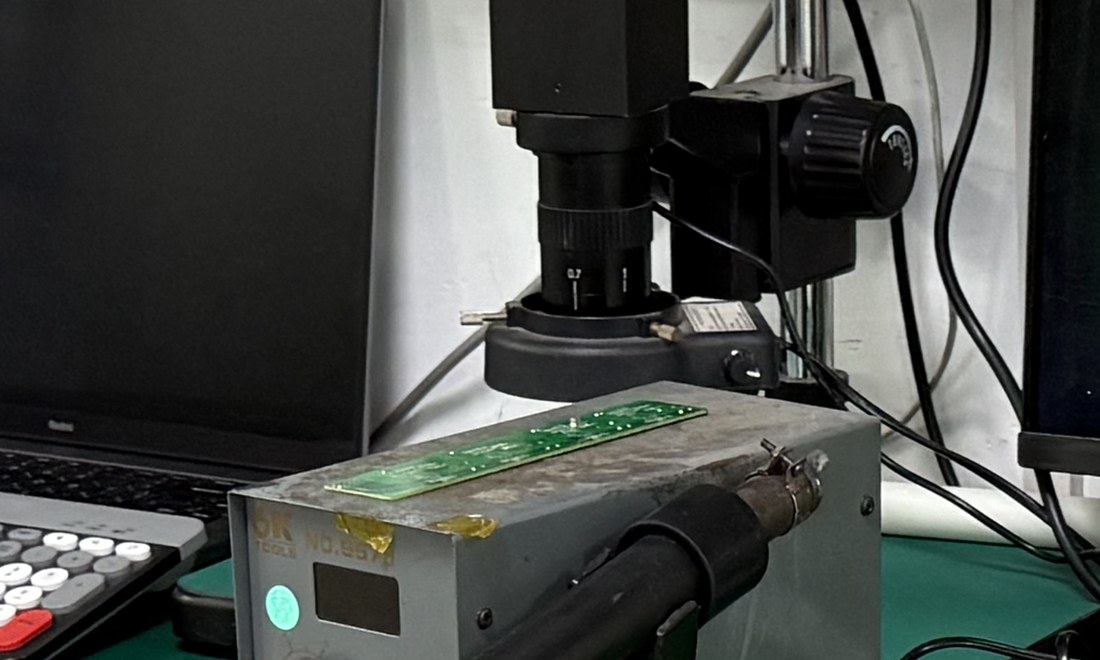
Ask when the evidence becomes available. A feature hidden after assembly, coating, or enclosure work may need an earlier inspection checkpoint. Plan the capture and record association at that stage instead of discovering during final review that the characteristic can no longer be observed by the proposed method.
Agree first-article and delivery records before award
Define first-article requirements, record ownership, and delivery content before the manufacturing route is priced. The applicable customer requirements and required standard revision determine the actual scope.
IAQG’s 9102 description explains standardized first article inspection process and documentation requirements for product verification. It is a separate subject from confirming an organization’s 9100-series certification. Do not assume that attaching a certificate completes a first-article package, or that every purchase automatically requires an identical package.
Ask which characteristics and supporting records are included, which party prepares the report, and who reviews or accepts it. Identify material and process certificates, dimensional or other inspection results, and functional evidence required by the order. Agree how external records and intermediate-stage inspections become part of the final package.
Distinguish initial qualification or first-article work from recurring lot acceptance and unit testing. A quote may include one while leaving another undefined. Record the sample or production basis, configuration, limits, reporting format, and any conditions that prevent a proposed method from covering the full requirement.
Define what must be complete before shipment and how open questions are escalated. A document delivered later can affect the customer’s ability to accept or use the product, even if the physical assemblies have arrived. Align the schedule for records with the schedule for material.
Control changes and exceptions against the released configuration
Review changes against the requirements and evidence they affect, then release an unambiguous configuration. Prior acceptance of one build does not explain the effect of a later source, process, or design change.
For a proposed component replacement, retain the BOM alternate approval record with the affected references, technical comparison, verification, decision authority, and allowed scope. Keep source-only changes distinguishable from a different device. Include customer approval restrictions where they apply.
Ask how the supplier identifies changes to manufacturing site, outside processing, test fixture, firmware, material, or production method. Define who determines whether the changed configuration needs additional verification or a review of first-article evidence. Avoid inventing one universal reinspection rule for every change.
Preserve the record of nonconforming material and its disposition. A repaired unit should have the appropriate approved instructions and resulting acceptance evidence where required. Separate the authority to identify or contain a problem from the authority to accept a deviation. The purchase requirements should make those responsibilities executable.
Compare suppliers using one complete requirement package
Compare suppliers against the same configuration, manufacturing boundary, certification eligibility, and evidence deliverables. A lower assembly price can omit records, approval work, or verification included in another proposal.
The official OrinewPCB video below discusses general factors in choosing an assembly manufacturer. Use it as supplier-selection context while checking the project’s separate aerospace certification and product requirements.
A full-turnkey PCB assembly scope can coordinate fabrication, procurement, assembly, and agreed testing. Verify the specific contracting entity, manufacturing route, required certifications, and customer approvals before award. A general service description or equipment photograph does not establish those project-specific qualifications.
A useful AS9100 PCB supplier review ends with a documented connection between organizational scope and the build’s acceptance evidence. For a project assessment, provide the released fabrication and assembly package with Gerbers, BOM, placement data, quantities, required certifications, test criteria, and delivery records so capability, eligibility, and quotation scope can be reviewed together before an order is released.
Latest Blog

Contact Info
Phone: +86-755-82882936
Email: [email protected]
WhatsApp: +86-13570802455
Wechat: +86-13570802455
Address: 2nd floor,D Bldg.,Electric Link Technology Bldg.,Gongming,Guangming New Dist.,518106 Shenzhen, China
