
In-Flight Entertainment Server PCBA: Control the Test Configuration
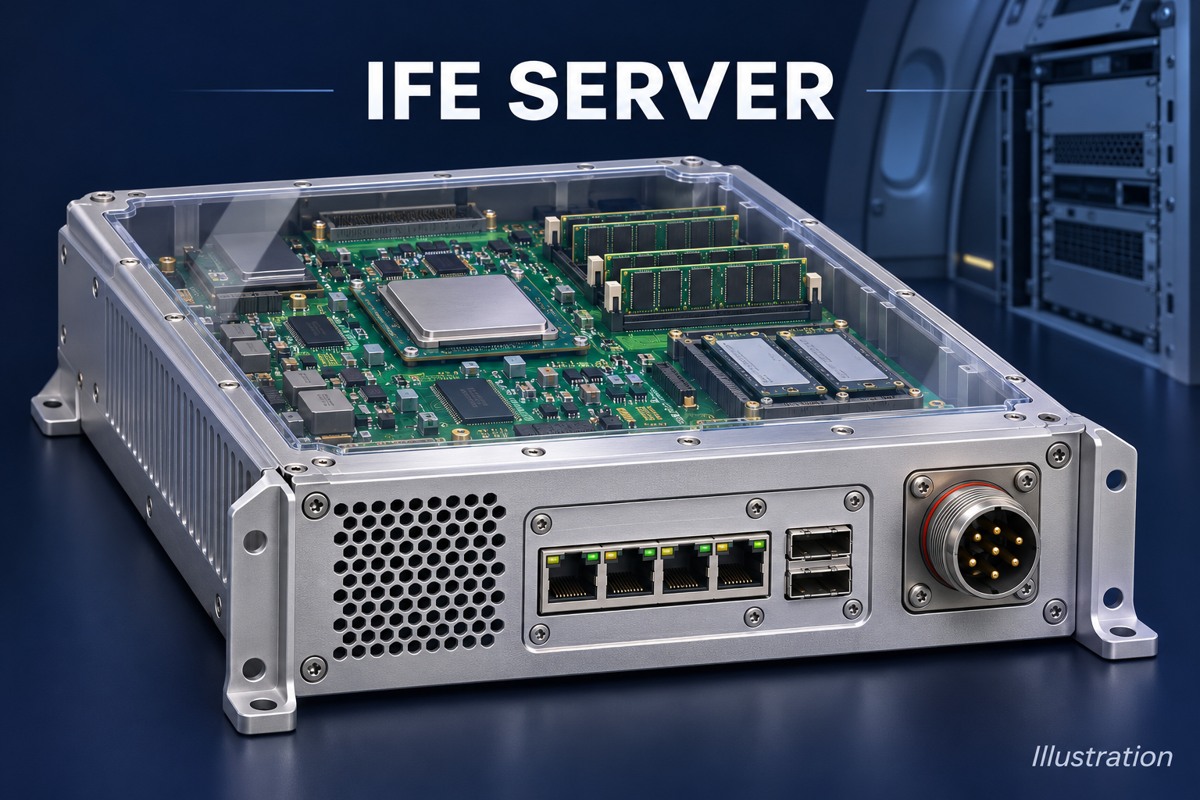
Table of Conent
Table of Conent
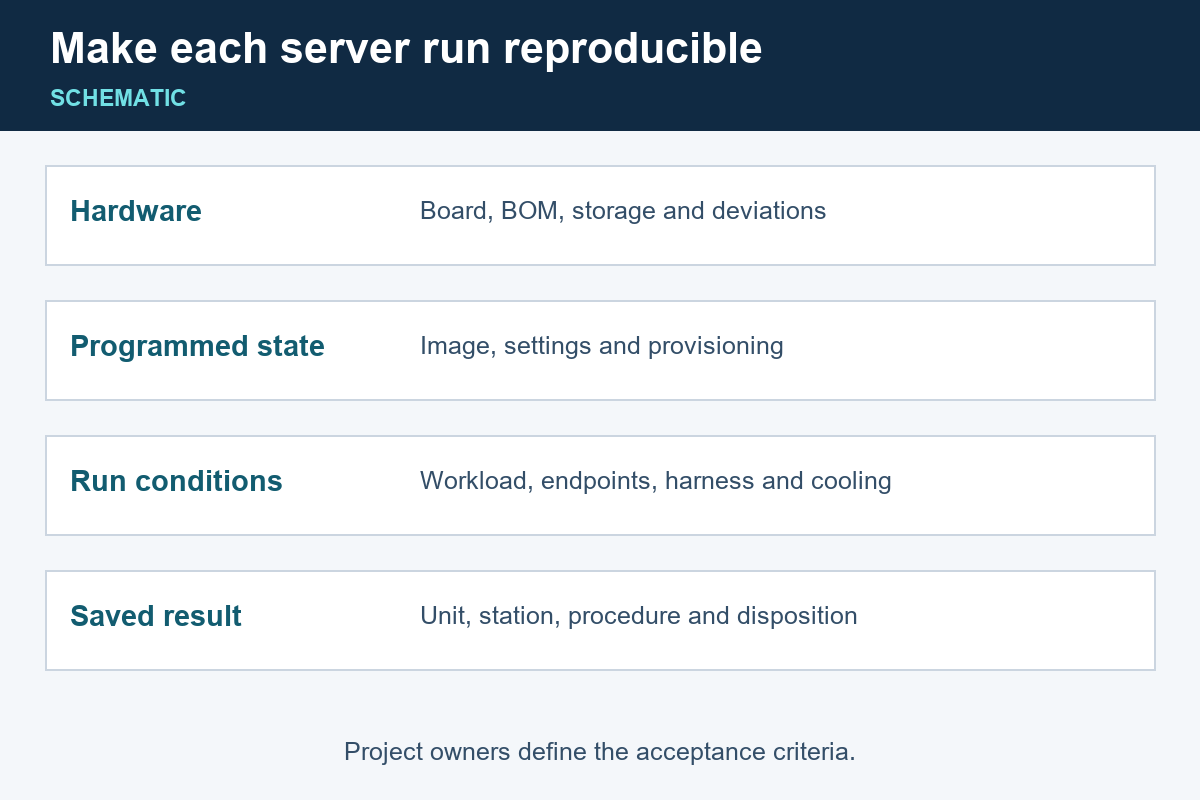
An in-flight entertainment server PCBA manufacturing workflow should preserve the connection between the released hardware, the equipment configuration used for environmental qualification, and the conditions used for production acceptance. Record the board revision, fitted components, programmed image, storage configuration, workload and cooling arrangement together. These details determine whether two test results describe comparable builds.
Start with the equipment owner’s approved environmental and functional requirements. Translate them into fabrication, assembly, programming and acceptance instructions, then return evidence tied to the delivered units. For an IFE head-end server, a useful release package explains how the processor, memory, storage, network ports and power interfaces will be exercised. The workflow below concentrates on those manufacturing handoffs and the questions that need resolution before a production quotation or build release.
Define the equipment configuration and qualification boundary
Freeze the configuration and applicable environmental requirements before assigning production tests. The equipment owner should identify the intended installation, required functions, environmental categories and evidence needed from the manufacturing supplier.
RTCA describes DO-160 as environmental conditions and test procedures for airborne equipment. Its application involves the equipment’s operating environment and electromagnetic conditions. An IFE server’s installation and approved requirements therefore guide the qualification plan and the manufacturing evidence supporting that plan. RTCA DO-160 official page
The FAA’s AC 21-16G, issued June 22, 2011, explains how the Environmental Qualification Form identifies the version, tests and environmental categories used. It calls for comparison with the specific installation requirements. It also describes a documented similarity assessment when requesting use of an existing article’s environmental data for a changed design. FAA AC21-16G final2011 PDF
For procurement planning, assign a named owner to the qualification configuration and another to the production acceptance specification where responsibilities differ. Identify the chassis, mounting, harnesses, grounding connections and cooling provisions that accompany the server during the relevant equipment tests. Keep those references accessible to the people reviewing manufacturing changes.
A board supplier needs the requirements allocated to its work. That can include fabrication construction, assembly workmanship, inspection records, programmed images or functional acceptance results. Resolve ownership of equipment-level testing and approval decisions explicitly so the quotation includes the expected work and the required delivery records.
Release board interfaces together with the test assumptions
Approve the stackup, thermal interfaces, connectors and programmed configuration as a connected build package. Each interface can affect the server behavior observed during acceptance or environmental evaluation.
For high-speed channels, define interface versions, data rates, topology and the construction supporting the channel budget. The controlled-impedance fabrication requirements should identify the relevant nets, stackup assumptions and acceptance evidence. Coordinate connector launches and reference-plane transitions with the actual design owner.
NXP’s AN13335 Ethernet PCB guidance explains how layer changes and reference planes influence return paths and signal behavior. Apply the selected processor and PHY documentation to the server’s actual interfaces. Routing dimensions and limits need to follow that implementation’s requirements. NXP AN13335 Rev1,22August2023
| Interface | Release information | Record needed for comparison |
|---|---|---|
| Board and fitted hardware | PCB/assembly revision, approved BOM and deviations | Unit identity linked to the fitted configuration |
| Programmed system | Firmware or software image, configuration and provisioning instructions | Image identifier and programming result |
| Memory, storage and network | Approved devices, ports, test endpoints and workload definition | Test configuration and observed results |
| Cooling and mechanical contacts | Enclosure, airflow or conduction interfaces and assembly instructions | Fixture and cooling state used during the run |
This table is a recommended engineering record structure. The project owner sets the required identifiers and acceptance criteria. Include practical details such as whether a storage device is supplied with an image, whether security provisioning is required, and whether all ports are available to the production fixture. Resolve missing access or tooling before the pilot build.
When these interfaces leave manufacturing questions open, share the board files and test-boundary questions with the BOM, quantities and mechanical information for scope review. Include the cooling assumptions and expected programming or test deliverables so the quotation can account for the necessary fixtures and records.
Build production acceptance around observable requirements
Specify the observation, configuration and acceptance basis for each production check. A valid result needs enough context for the reviewer to identify the unit, understand what ran and evaluate the recorded outcome.
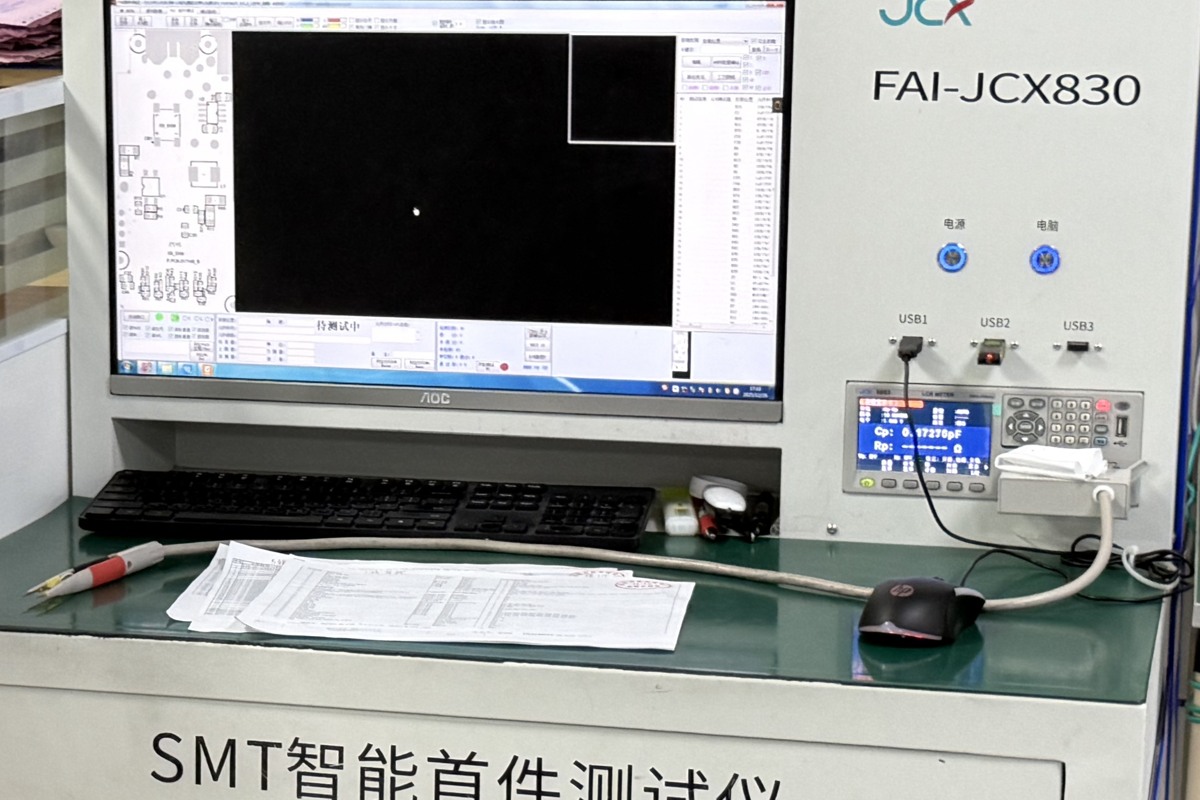
Organize a requirement-to-test acceptance record before implementing the fixture or script. Identify the responsible requirement owner, method, limits, data retained and action for a failed or interrupted run. Keep inspection and functional checks traceable to their respective requirements.
| Check | Observation to define | Evidence to retain |
|---|---|---|
| Assembly inspection | Specified visible features and any required hidden-joint inspection | Inspection coverage, findings and disposition |
| Programming and boot | Correct image, configured identities and required startup behavior | Image identity, log and startup result |
| Memory and storage | Approved test operations and expected result under defined conditions | Device identity, script version and result |
| Network and workload | Required ports, traffic pattern, concurrent activity and monitoring | Endpoint configuration, workload identity and results |
The table presents original planning examples. The equipment requirements determine the final methods and limits. For a media server, discuss whether acceptance needs concurrent storage access and traffic across several ports. A reproducible workload states which operations overlap, how completion is measured and what data are collected.
Define how the test distinguishes a device failure from a fixture, cable or endpoint problem. For example, a failed link may require a controlled check of the cable and endpoint before the board is reworked. Preserve the original result and the reason for any rerun so an intermittent issue remains visible in the build history.
Plan interrupted-run behavior as well. Record whether the test completed, where it stopped and whether the unit’s configuration changed. Provisioning, image updates and storage writes can affect the next run. Record how fixture software, calibration status and endpoint versions are identified, particularly when several test stations share work. Include the station identity in each saved run. A controlled restart procedure helps technicians reproduce the intended starting state and gives reviewers a consistent record.
Review workload and cooling changes against existing evidence
Changes to fitted components, programmed behavior or thermal contacts deserve a review of the evidence they may affect. Compare the proposed configuration with the one supporting the relevant test results and assign the resulting actions to the appropriate owners.
Analog Devices’ AN-1604 thermal-management discussion models heat paths through the package, PCB and heat sink. Although its examples concern RF packages, the interface-dependent thermal reasoning helps frame a server review. Use the actual processor, mechanical assembly and thermal-interface data for any server temperature prediction. ADI AN1604
Consider an illustrative change from one SSD to another approved purchasing option. The design review can examine interface compatibility, power behavior and mechanical fit. The test owner should also consider whether startup, sustained storage activity or the concurrent workload needs review. Capture the new identity in the build record even when the supplier describes the replacement as equivalent.
A second example is a change in thermal-interface material or its installed thickness. Ask whether the contact condition and assembly instructions remain consistent with the thermal configuration used for the relevant evidence. Assign the mechanical and thermal disposition before releasing the build. The review should identify the additional verification needed for that particular change.
Keep proposed changes, approved deviations and completed dispositions connected to the affected units. The equipment owner determines the relevance of existing environmental evidence and any further qualification work. Manufacturing should retain the records showing which configuration was built and which acceptance procedure was executed.
Quote the complete manufacturing and evidence package
A complete RFQ connects board fabrication, components, assembly, programming and acceptance records to a controlled release. Define responsibility for each deliverable and identify open questions that affect tooling, schedule or supplier scope.
The full-turnkey PCB assembly scope provides a basis for discussing coordinated procurement and assembly. Confirm any avionics-specific process, qualification, inspection or test capability against the project’s actual requirements during supplier review.
Include fabrication data, stackup, BOM, placement data, assembly drawings and quantities by build stage. Add programmed-image identifiers, provisioning instructions, test specifications, expected records and substitution rules. Identify customer-supplied components, equipment, software or fixtures and the conditions under which they will be available.
Ask the supplier to identify which assumptions remain open at quotation and which must close before production release. Fixture access, test duration, diagnostic coverage and customer-owned software can influence the manufacturing scope. Resolve these items with the relevant engineering owners before relying on a delivery commitment.
The manufacturing workflow is ready for release when a reviewer can connect each delivered server board to its hardware identity, programmed state, acceptance conditions and approved changes. This gives the equipment team a traceable basis for comparing production results with the configuration supporting its environmental evidence.
For project assessment, provide the controlled fabrication and assembly package with the BOM, quantities, programming instructions and test responsibilities so manufacturing scope, evidence deliverables and quotation assumptions can be reviewed together.
Latest Blog


Contact Info
Phone: +86-755-82882936
Email: [email protected]
WhatsApp: +86-13570802455
Wechat: +86-13570802455
Address: 2nd floor,D Bldg.,Electric Link Technology Bldg.,Gongming,Guangming New Dist.,518106 Shenzhen, China
