

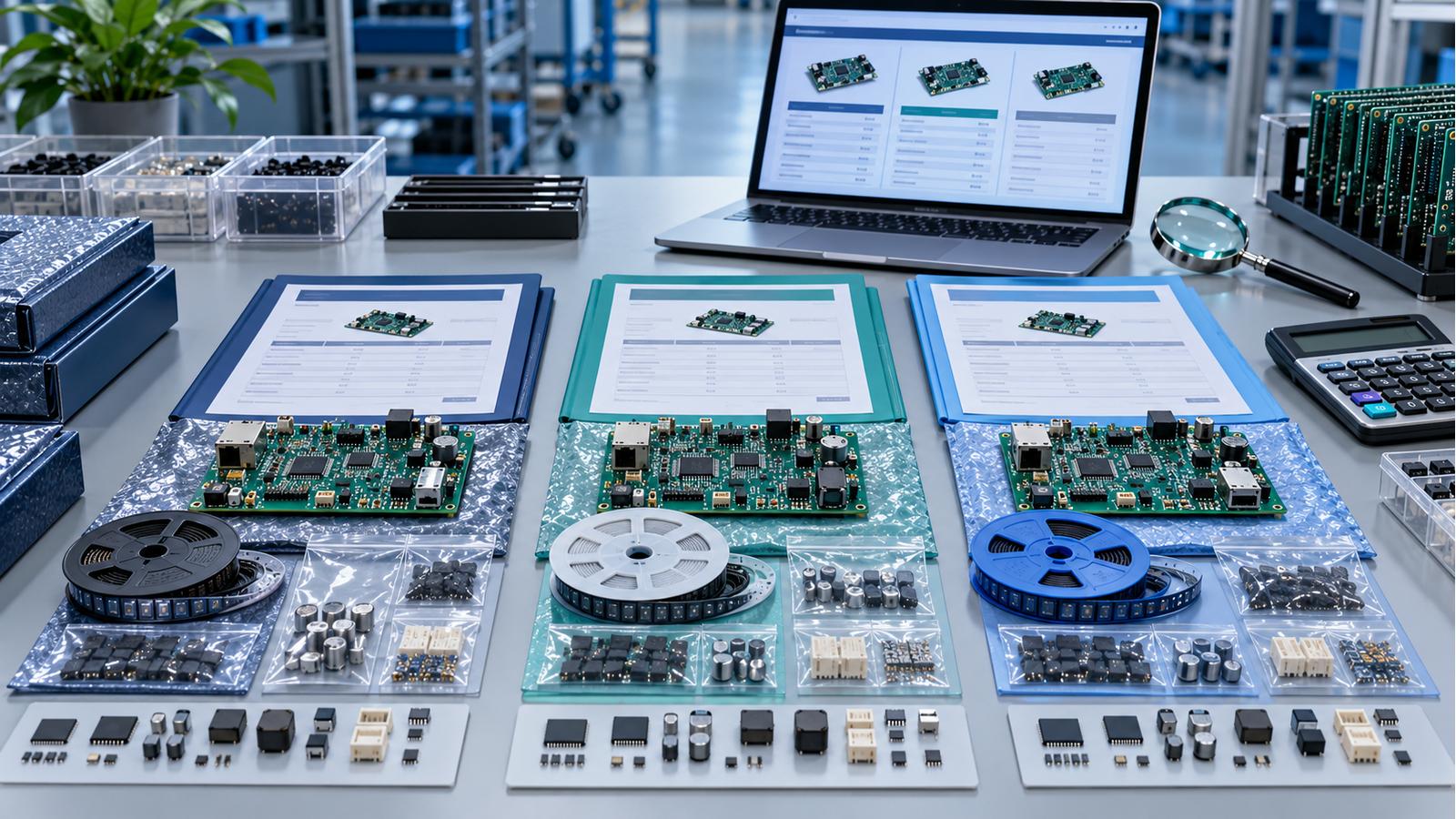
A practical method for comparing PCB assembly quotes by normalized scope, components, tooling, test coverage, logistics, and total delivered cost.
-
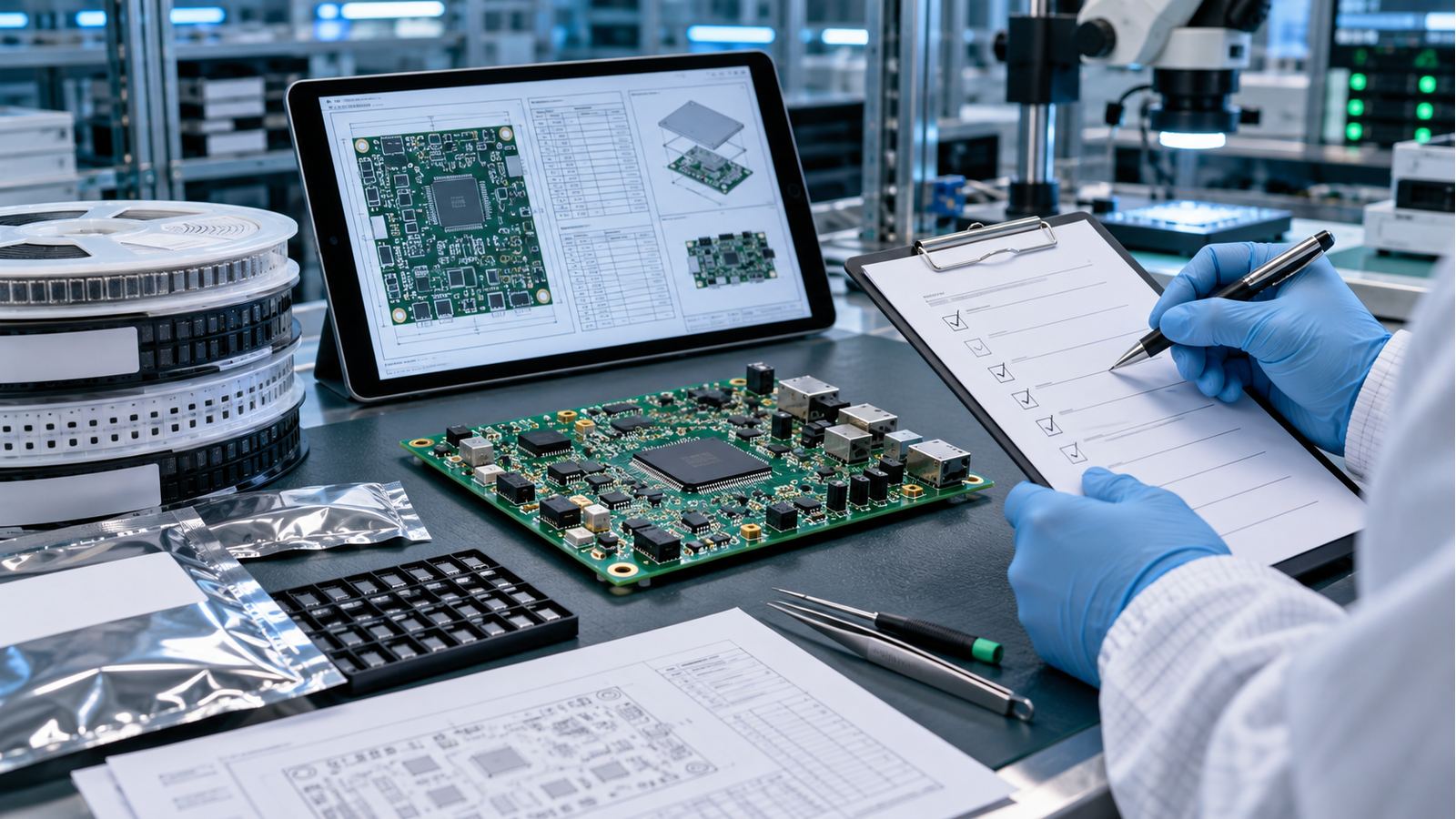
A practical EVT build handoff checklist for controlling files, BOM decisions, fabrication, assembly, programming, first articles, and test readiness.

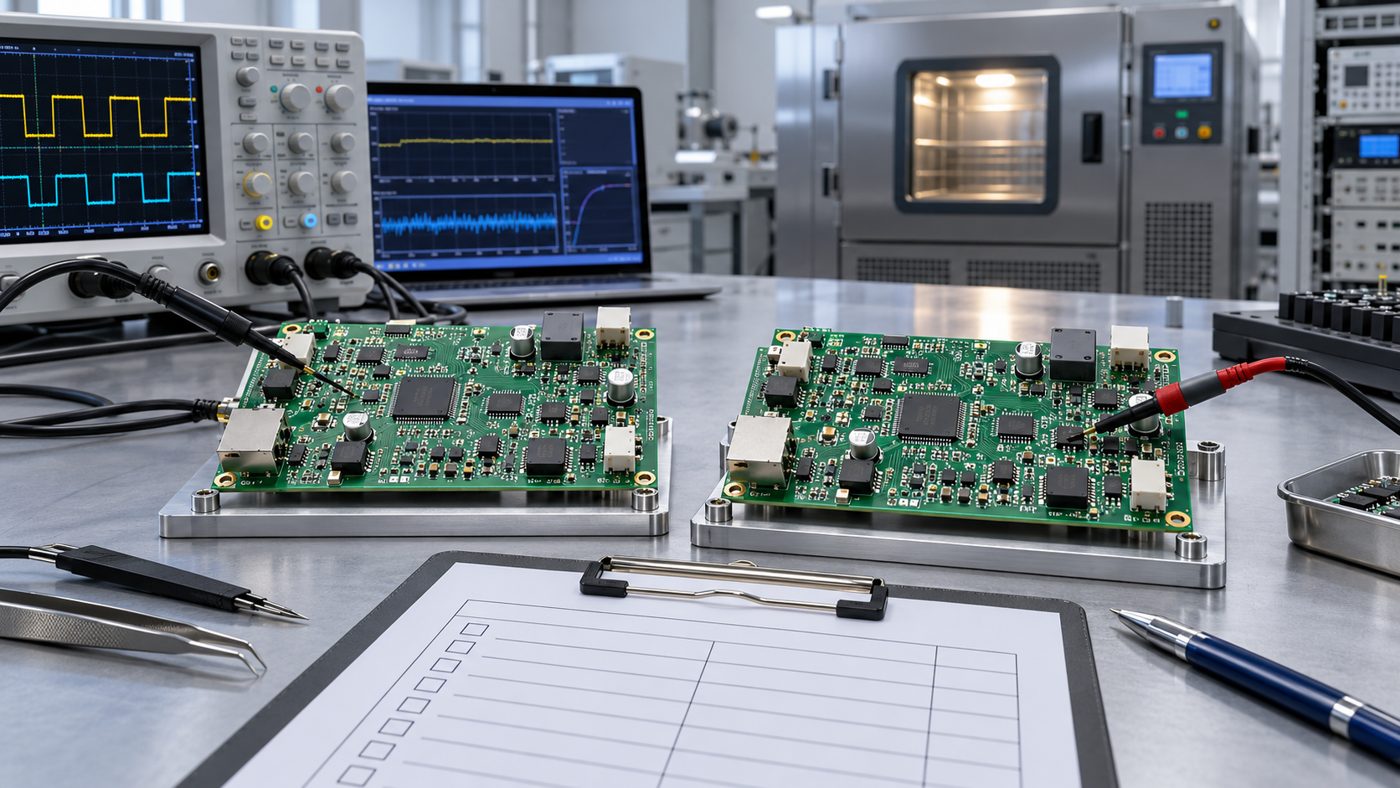
A practical DVT change-review method for mapping PCB revisions to affected requirements, risks, regression tests, samples, and release evidence.
-
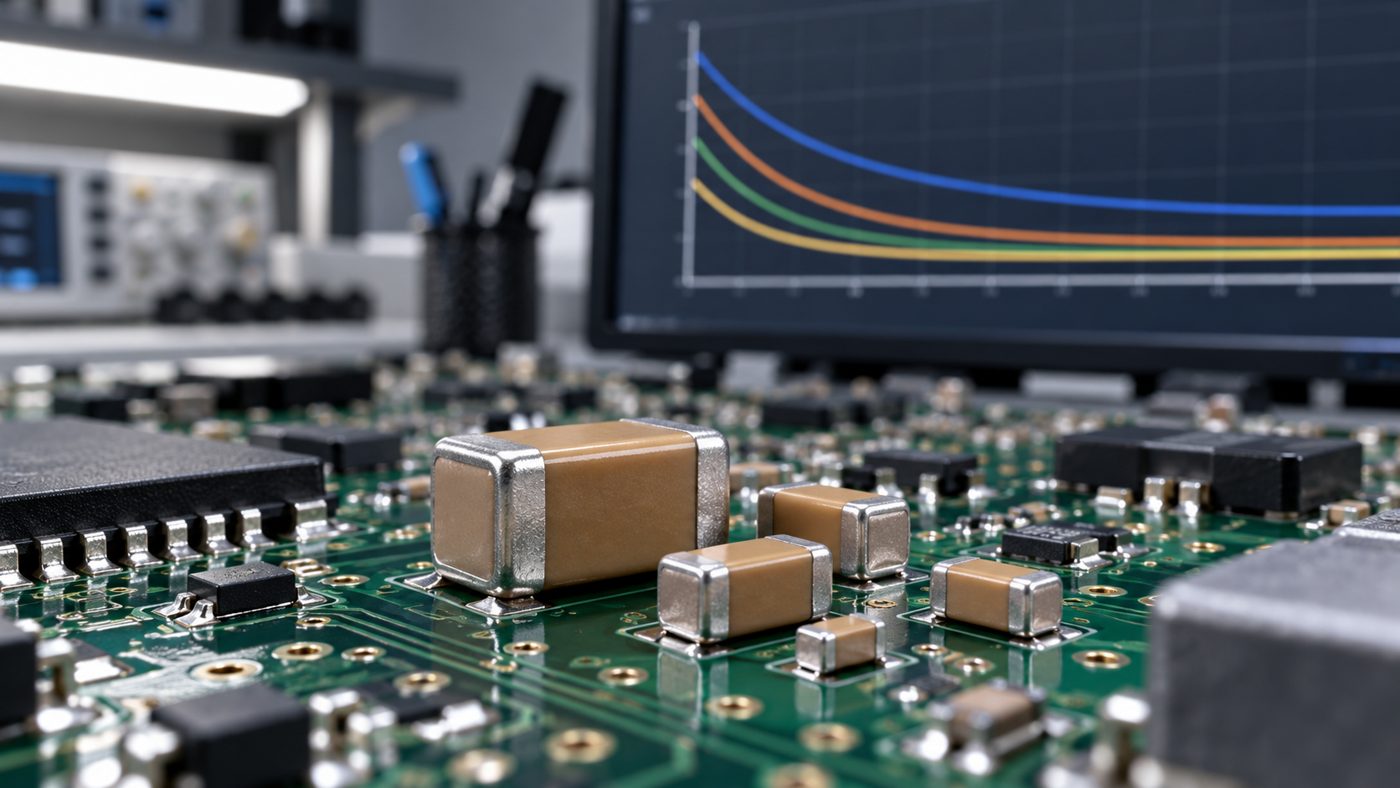
A practical MLCC DC-bias worksheet for comparing effective capacitance, operating voltage, package fit, and validation before approving BOM alternates.

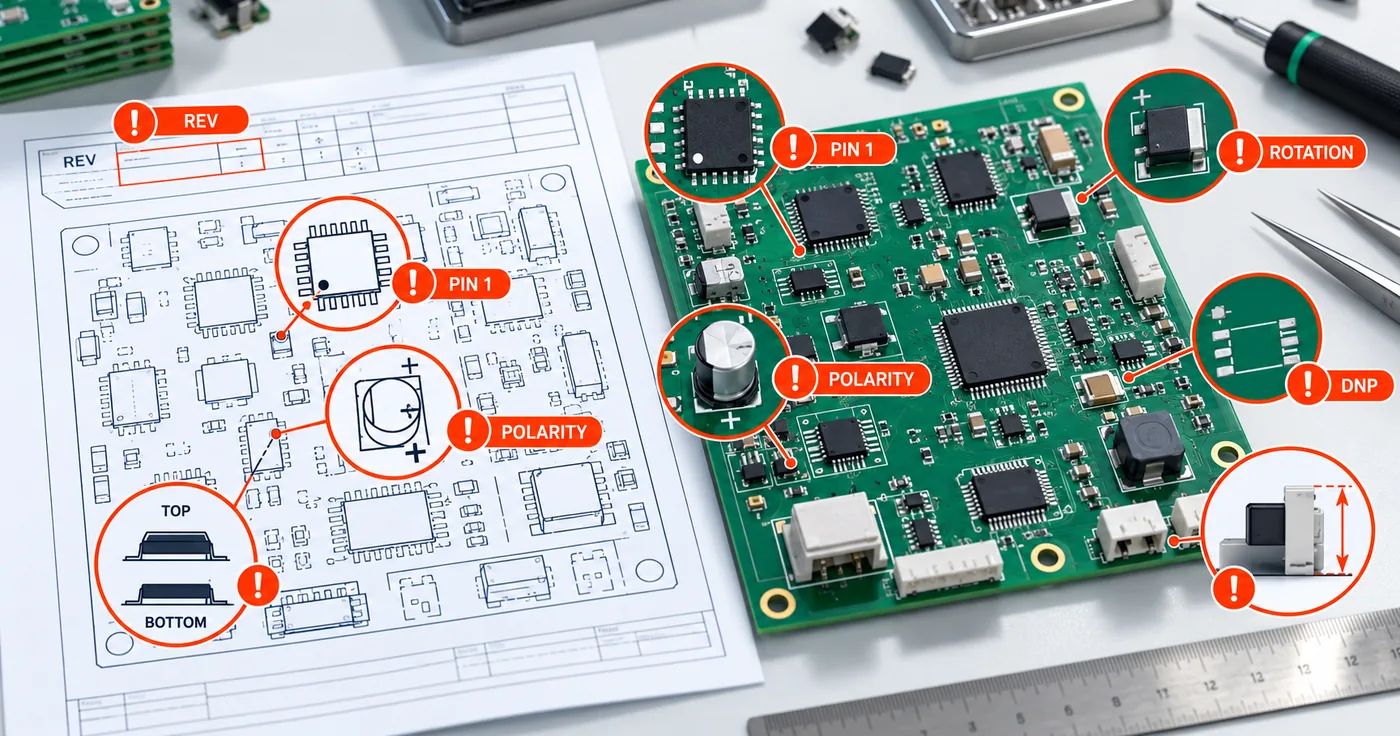
A practical PCB assembly drawing checklist for catching seven common documentation errors before they delay quoting, NPI, or production.

An aircraft cabin lighting board prototype should reduce technical uncertainty without creating a one-off configuration that cannot become a controlled product. The fastest useful low-volume build starts with a complete release package, production-intent components and

MIL-STD-1553 PCB grounding is not a choice between “one ground” and “split grounds.” The layout must preserve the intended transformer isolation, line-interface return currents, logic and power integrity, shield or chassis strategy, creepage and clearance,
-
An ARINC 429 interface-board patch is acceptable only when the changed hardware, installation, manufacturing process, verification evidence, and approval basis remain clearly controlled. A wire, component substitution, protection-device change, or layout repair may restore one
-
A 0.5 mm PCB can solve a real enclosure or weight constraint, but the thickness should be treated as a controlled mechanical and assembly requirement—not as a simple reduction from a standard board. A thin
-
High-speed PCB design begins when a signal's transition time makes the interconnect behave as a transmission line, not when a marketing label reaches a particular clock frequency. The practical task is to preserve a controlled
Email us for a Free Quote: [email protected]
PCB MANUFACTURING & ASSEMBLY
Start your next PCB project
Share your requirements for PCB fabrication, assembly or component sourcing.

PCB fabrication, assembly and component sourcing — from prototype to production.
Orinew Technology Development Co., LTD.
Contact our team
Address17th Floor, 2B Bldg., Creative Bldg., Time Valley, Heshuikou Community, Matian Street, Guangming Dist., 518106 Shenzhen, China© 2012–2026 Orinew Technology Development Co., LTD.