

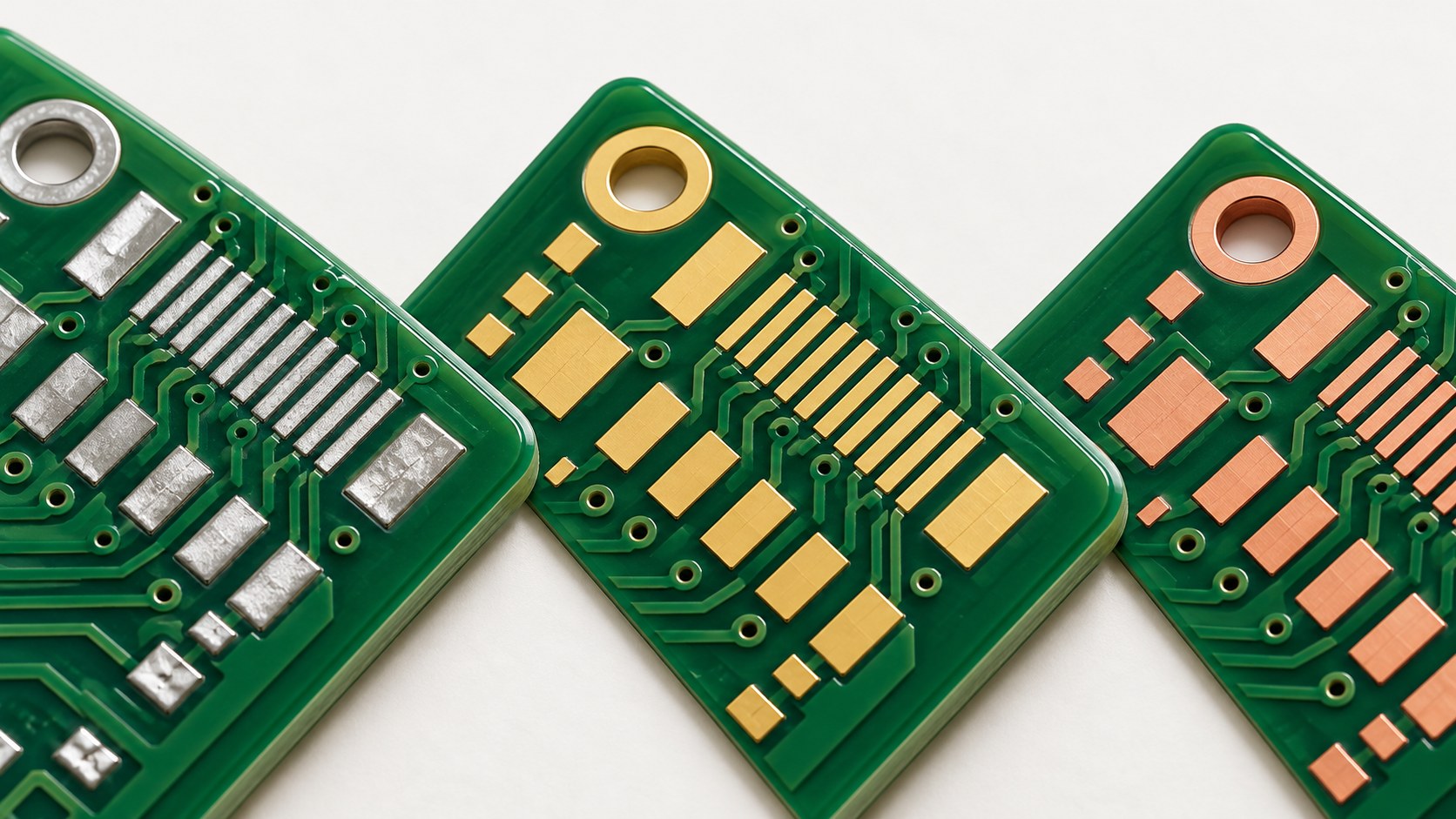
Choose HASL, ENIG, or OSP by the board’s least flexible requirement, then qualify that choice against the assembly schedule. A solder-coated HASL pad may suit a conventional assembly when its deposited profile is acceptable to

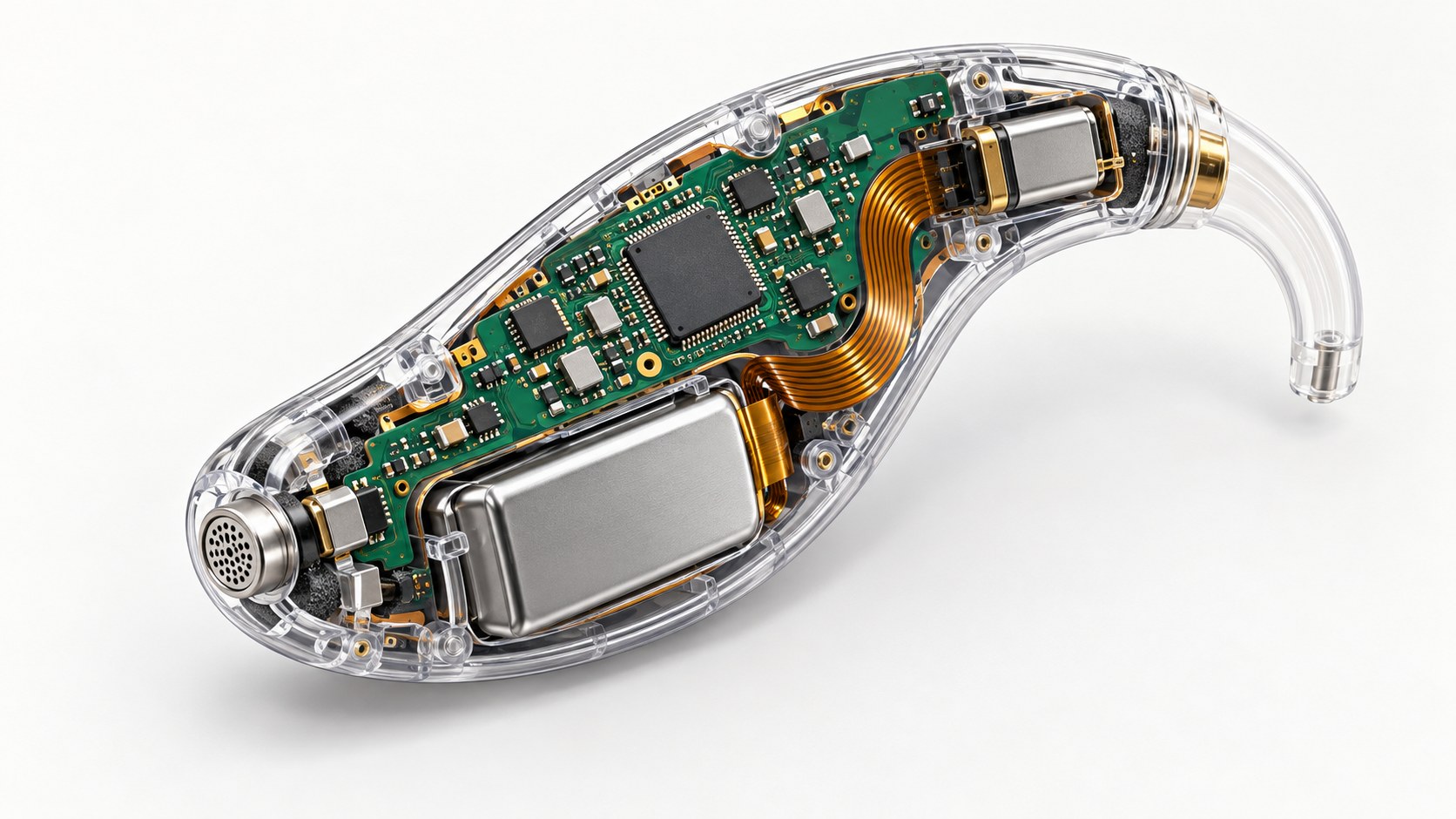
A hearing aid PCB is ready for fabrication and assembly only when its miniature electrical design has been reconciled with the enclosure, acoustic openings, battery, radio and production-test plan. Choose the device architecture and power

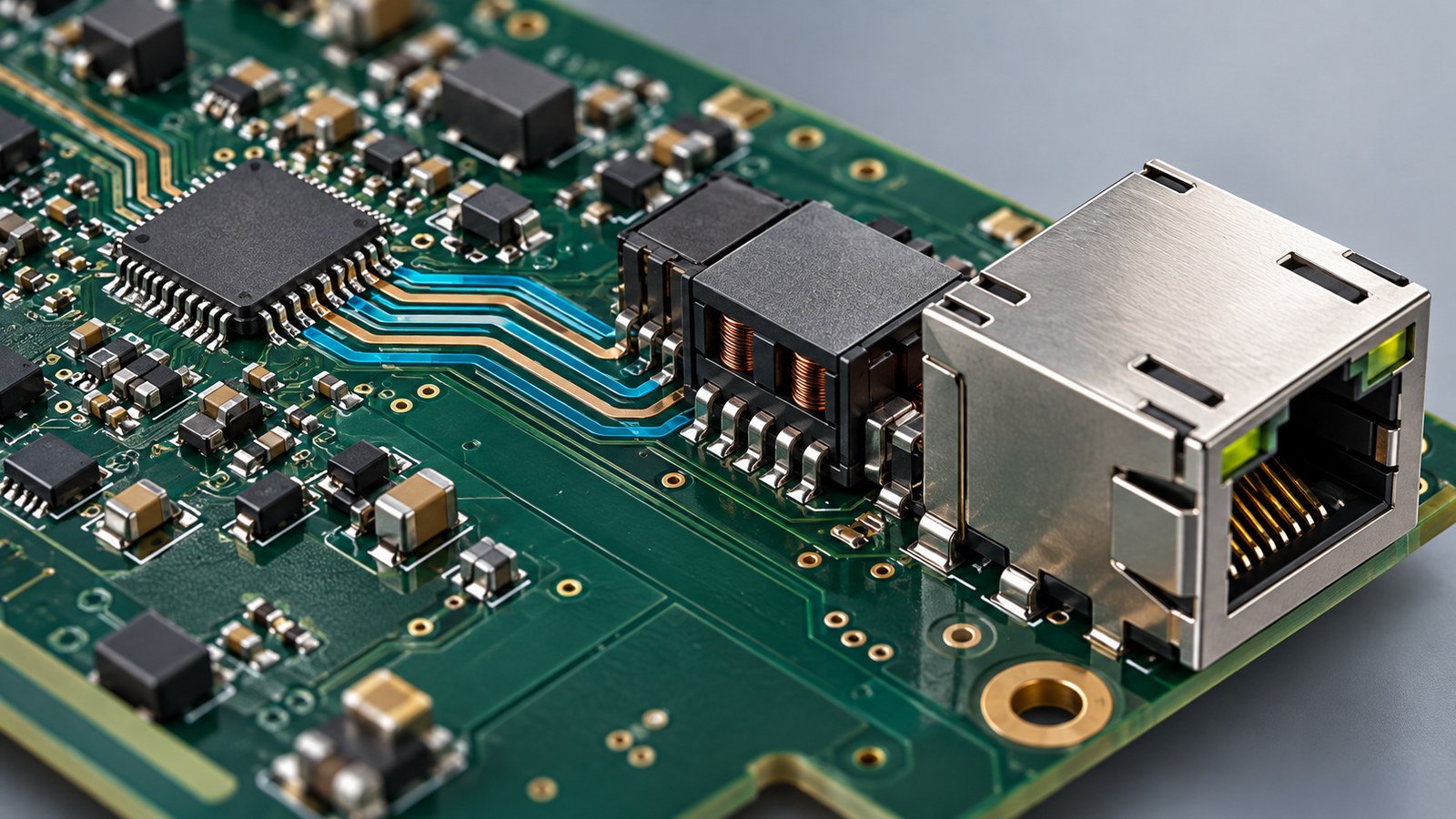
An industrial Ethernet PCB is ready for production when the OEM has released a complete port definition, not just a routed differential pair. Specify the speed and media, MAC-to-PHY interface, PHY part and configuration, isolation
-
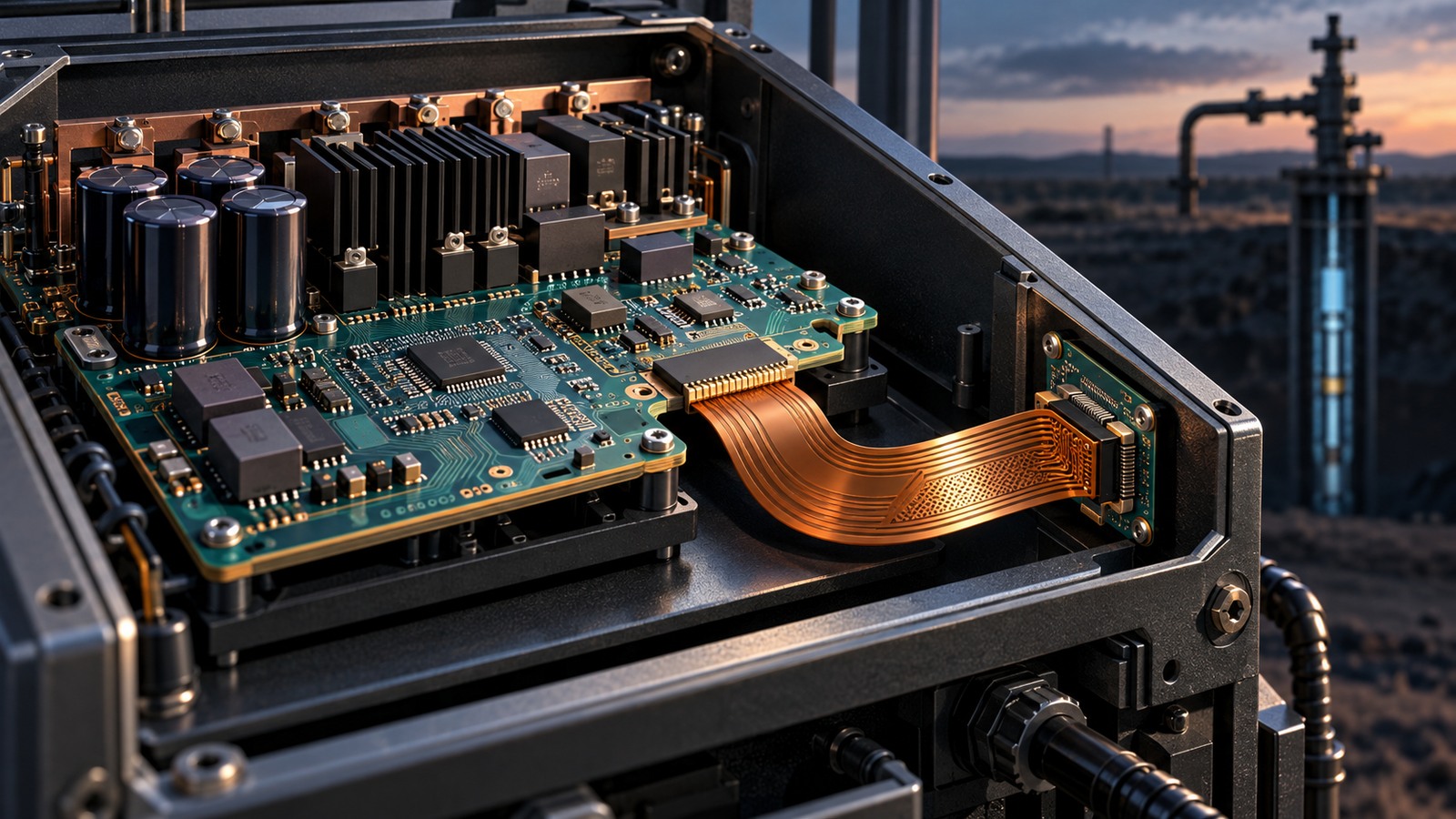
An electric submersible pump (ESP) controller PCB does not automatically need a rigid-flex stackup or an intrinsically safe design. First identify where the controller is installed, which circuits carry motor power, and which conductors connect
-
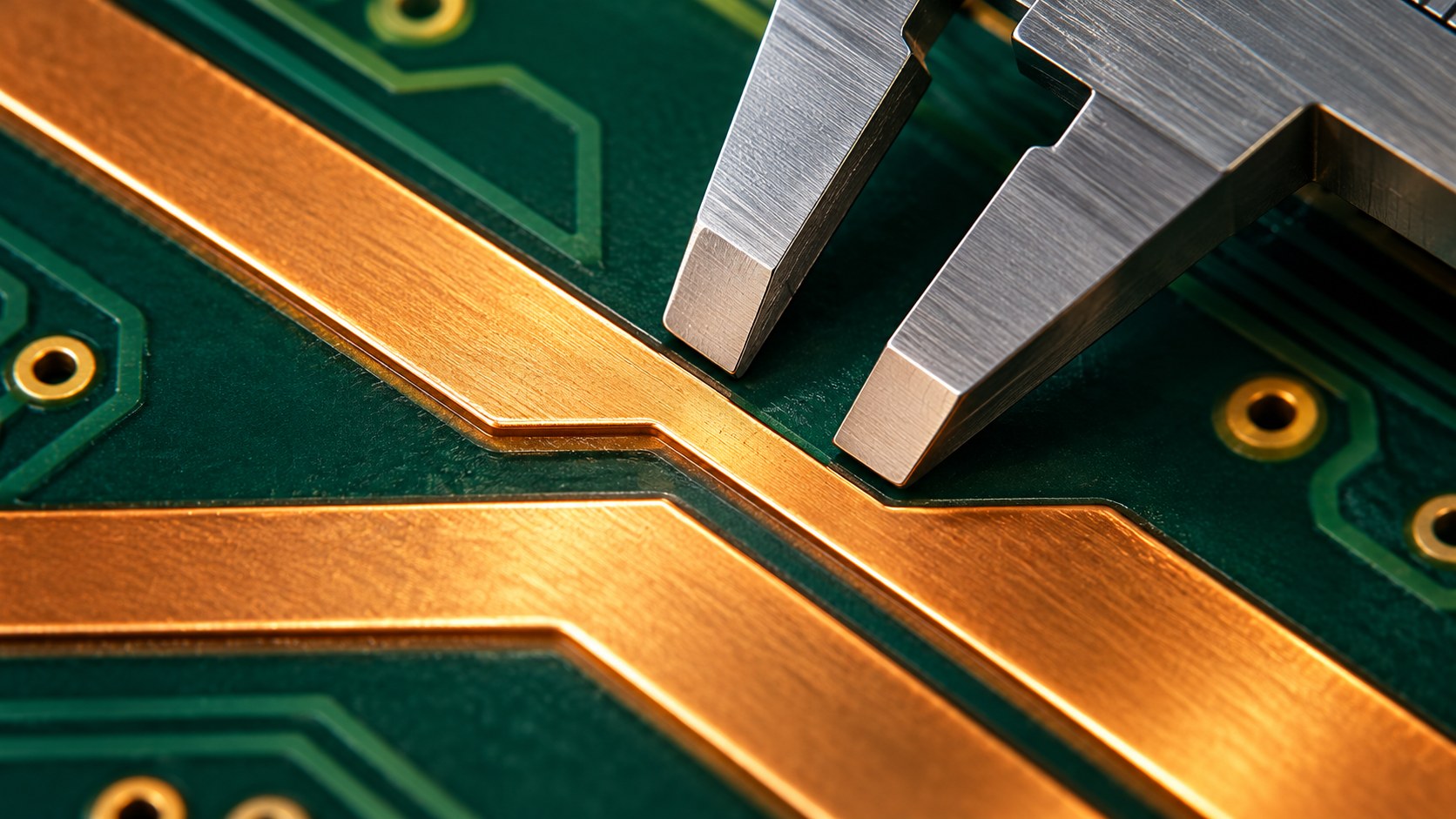
IPC-2221C is the generic printed-board design standard, but it is not a complete, universal PCB rule deck. A release-ready design pairs the applicable revision of IPC-2221 with the board-technology sectional standard, the product's electrical and
-
An LWD sensor-board lead time is the date at which the specified, tested configuration can be released—not simply the board fabricator's quoted cycle. Logging while drilling (LWD) places measurement electronics in a bottomhole assembly, but
-
Impedance control on a mud-pulse telemetry PCB belongs to specific electrical interconnects, not automatically to the slow pressure pulses traveling through drilling fluid. Start with the actual circuit: identify the driver, receiver, transition time or

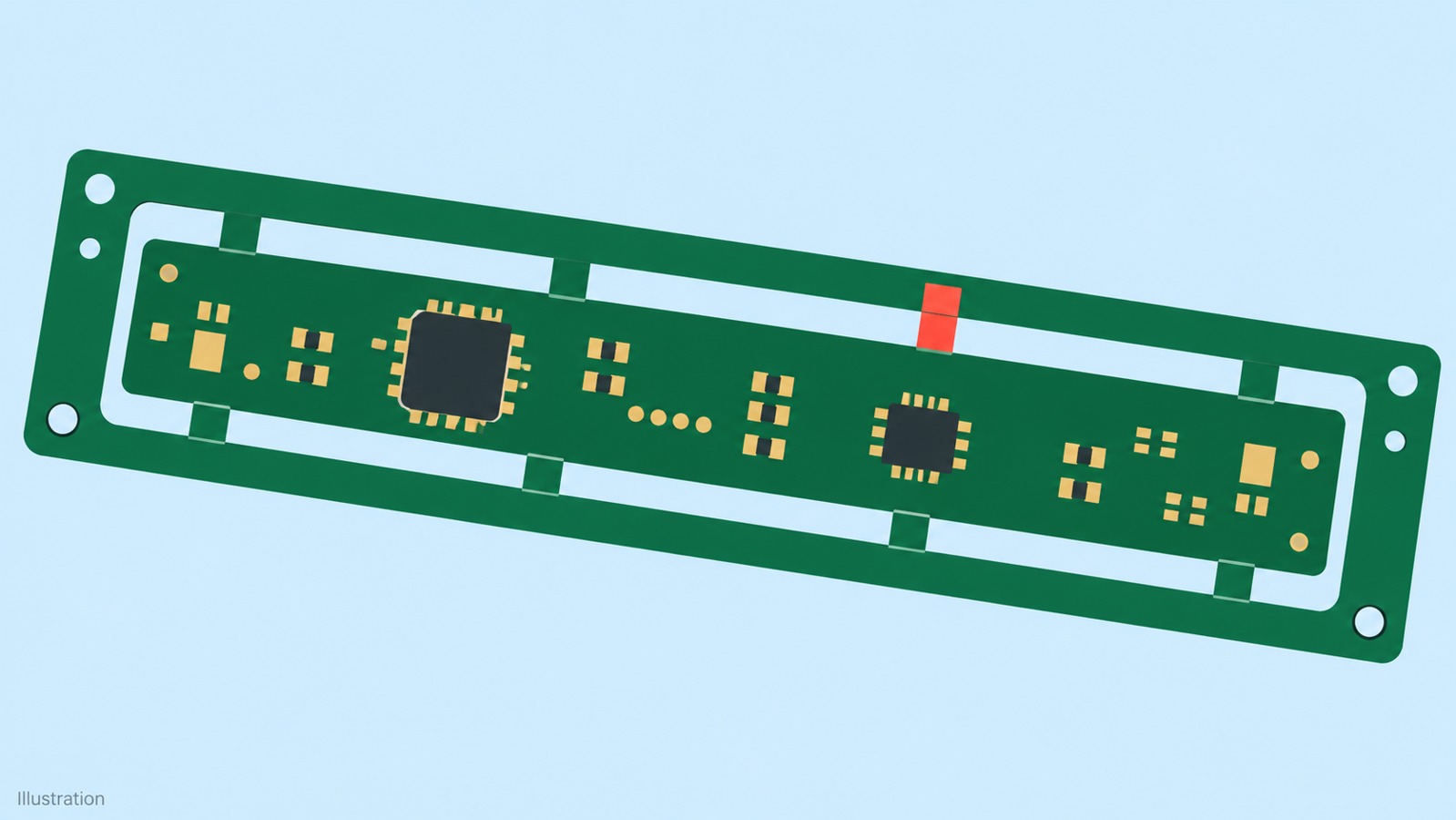
MWD PCB depaneling should be qualified as a controlled manufacturing process: define the panel connections, cutting method, supports, removal sequence, and component-specific strain criteria before releasing production. Measurement-while-drilling electronics may face demanding service conditions, but
-
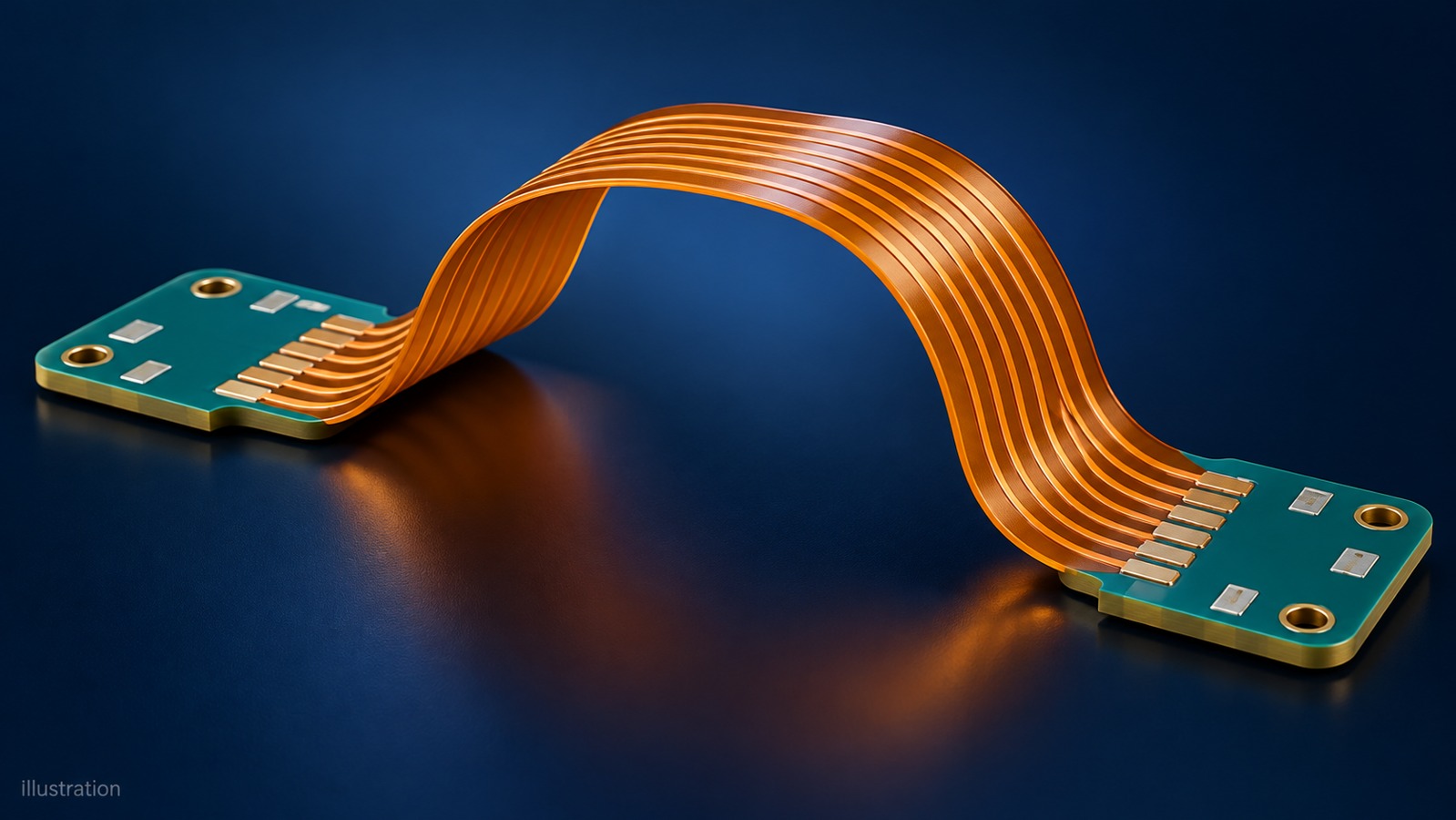
IPC-6013 specifies qualification and performance requirements for flexible and rigid-flex printed boards. A usable purchase requirement identifies the agreed revision, board construction, performance class, and installation use separately, then connects those choices to a drawing
-
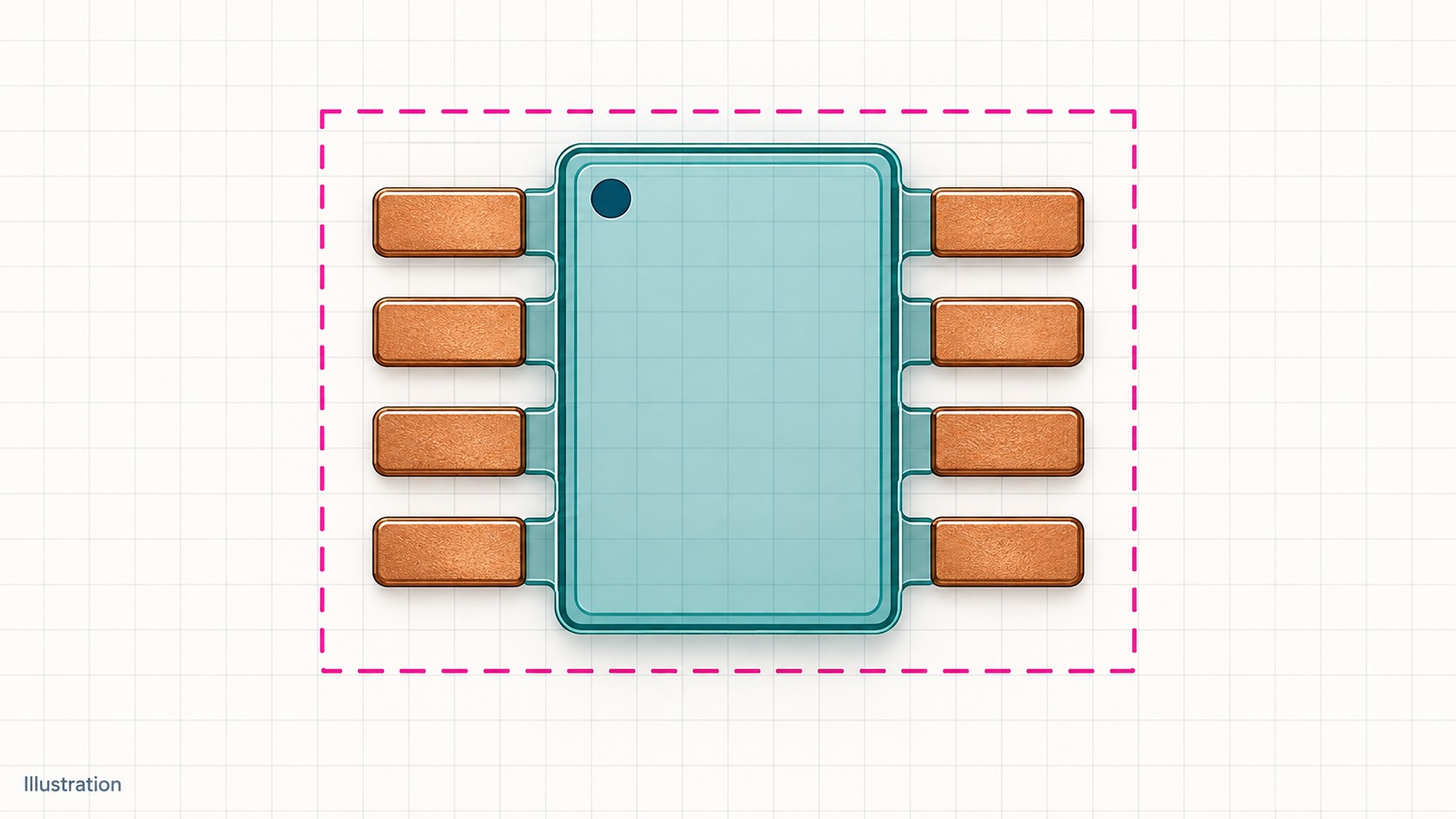
An IPC-7351 footprint name describes a package family and selected dimensional fields; it does not contain every copper-pad dimension or establish that a footprint suits your assembly process. Read the name with its documented naming
Email us for a Free Quote: [email protected]


PCB MANUFACTURING & ASSEMBLY
Start your next PCB project
Share your requirements for PCB fabrication, assembly or component sourcing.

PCB fabrication, assembly and component sourcing — from prototype to production.
Orinew Technology Development Co., LTD.
Contact our team
Address17th Floor, 2B Bldg., Creative Bldg., Time Valley, Heshuikou Community, Matian Street, Guangming Dist., 518106 Shenzhen, China© 2012–2026 Orinew Technology Development Co., LTD.