
Solder Paste Storage and Handling: Traceability Before Printing
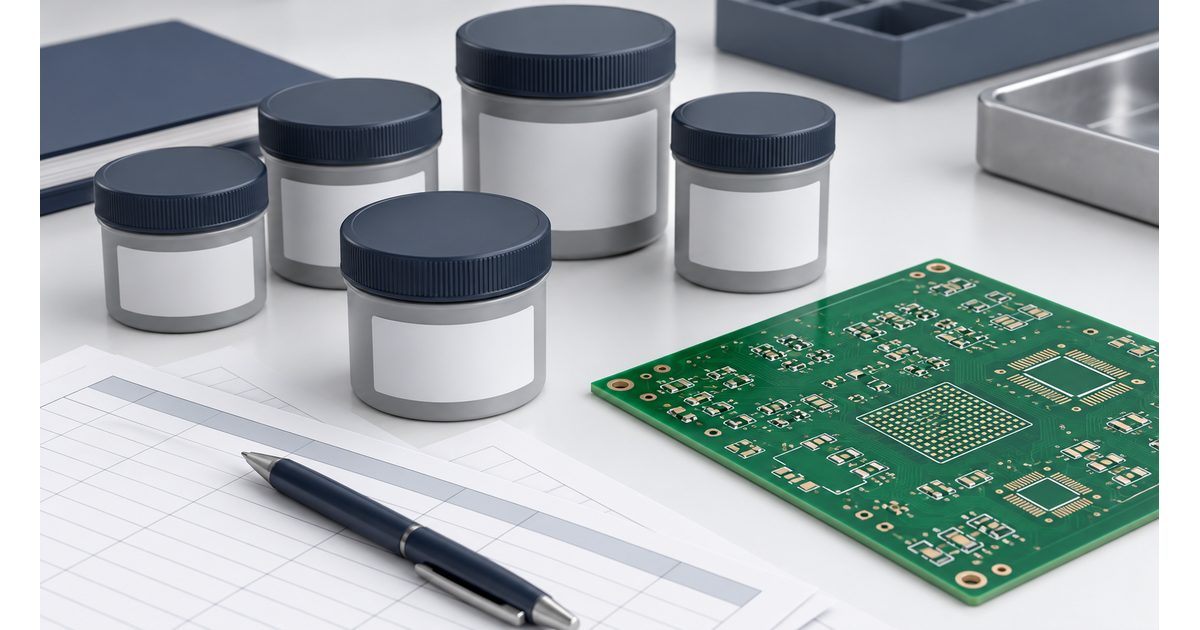
Table of Conent
Table of Conent
Solder paste storage and handling should preserve both the material and the evidence that it remains suitable for the planned assembly. A jar with the correct alloy can still have an unclear storage, opening, or printer-exposure history. If that history is lost, engineering cannot confidently distinguish a material concern from a stencil, machine, or inspection problem.
Use the exact product’s current technical documentation to define conditions, then keep the container history attached to the build. This guide focuses on receiving, storage, sealed preparation, issue to production, and disposition of remaining material. It does not prescribe one temperature range, shelf life, warming time, or reuse rule for every solder paste.
Build the handling instruction around the actual product
Identify the manufacturer, complete product designation, alloy, powder type, flux system, packaging format, and lot. These details define what has been purchased and help locate the relevant technical data sheet. “Lead-free paste” or “no-clean paste” is not a complete material specification.
Kester’s general solder-paste handling bulletin explicitly defers product-specific conditions to the product technical bulletin. Use that hierarchy when preparing a work instruction. A general manufacturer guide is useful context, but it should not override an exception for the selected material.
Record the document revision and where the approved instruction is available. Separate storage, shipping, room-temperature stability, opened-container use, and stencil working life. Those terms describe different conditions and should not be collapsed into one expiration timer.
Review the safety data sheet for the actual product as part of the handling procedure. Technical performance guidance does not replace requirements for personnel protection, safe storage, spill management, or waste handling. Use the applicable workplace procedures rather than improvising from a blog article.
Receive the container and its history together
At receipt, reconcile the material identity, lot, quantity, packaging condition, and labeled dates with the purchase order. Preserve the supplier documents and any transport evidence required by the approved material plan. A correct delivery label does not establish that every handling requirement was satisfied.
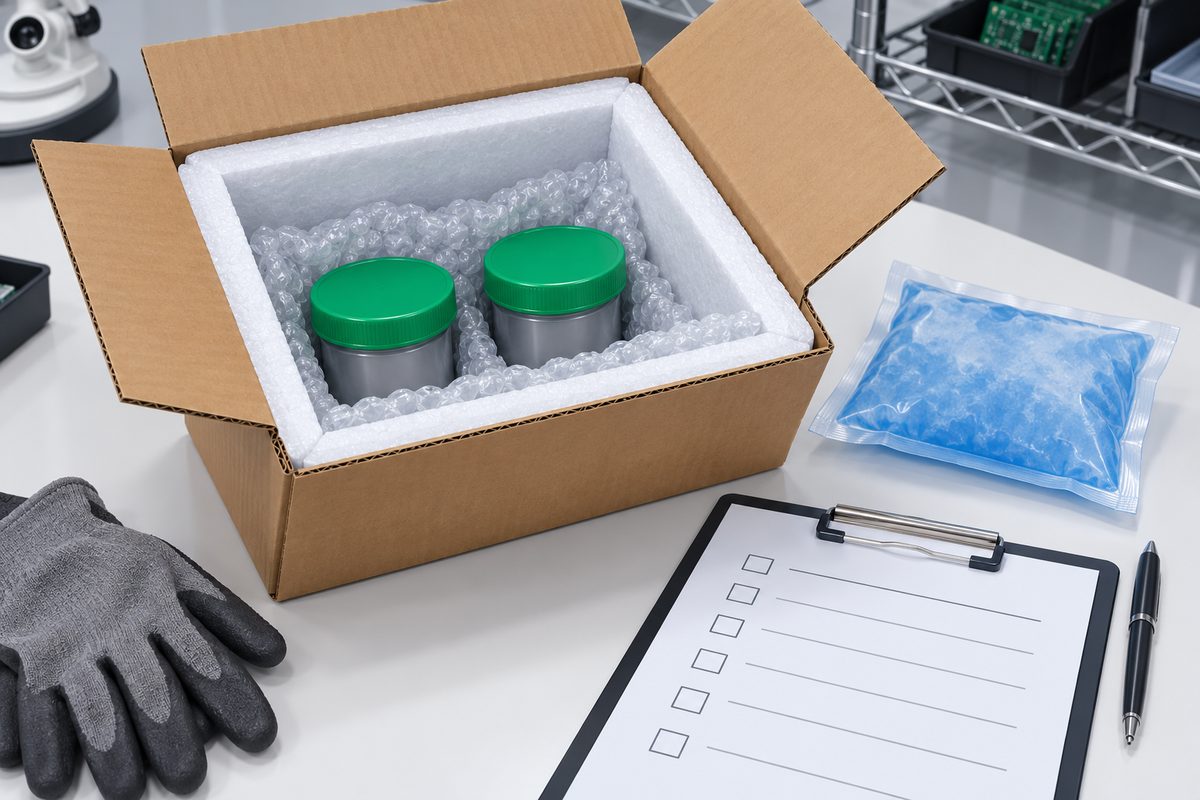
Do not judge the full transport history from one observation such as a cool jar or a melted cold pack. Compare the available evidence with the material manufacturer’s shipping guidance. If the required evidence is missing or indicates an excursion, identify the material and hold it for a documented disposition.
Indium Corporation’s storage and handling application note distinguishes long-term storage recommendations from shipping conditions. That distinction is important when reviewing a delivery, but its product and packaging assumptions are not universal. Request guidance for the actual shipment instead of applying another manufacturer’s transit allowance.
Maintain storage control without hiding uncertainty
Use the approved storage conditions for the product and packaging. Where a controlled refrigerator or storage area is required, define how its condition is monitored and how an excursion is handled. A setpoint alone does not document what happened to each container.
Keep lots identifiable and separate material on hold from material released for production. Use the approved stock-rotation method and check the applicable use-by information when issuing material. Do not let a newer container become indistinguishable from an older one because both have been placed in an unlabeled secondary tray.
If a storage record is incomplete, preserve that fact. Reconstruct the history from reliable evidence where possible, then obtain the appropriate quality or manufacturer disposition. Filling in an assumed temperature or time defeats the purpose of traceability.
For consigned material, send the paste identification, lot documents, available storage history, assembly package, and any handling exceptions for engineering review. State what material is being supplied so its proposed use can be assessed before quotation.
Prepare sealed material for the work environment
Follow the product-specific equilibration instruction before opening a cold container. The reviewed manufacturer guidance warns that opening cold paste in a warmer environment can introduce condensation. Keep the container sealed during the approved preparation period and avoid unapproved forced heating.
Choose an issue schedule that allows preparation without leaving unnecessary quantities outside controlled storage. Record when the container was removed, its identity, and the relevant preparation status. Do not substitute a generic timer from another paste or packaging format for the applicable instruction.
A large jar, a cartridge, and a syringe may have different preparation and handling requirements. Confirm the packaging format in the work instruction. Do not assume that the outside of a container feeling warm proves the entire material has reached the required condition.
Record opening and issue to the printer
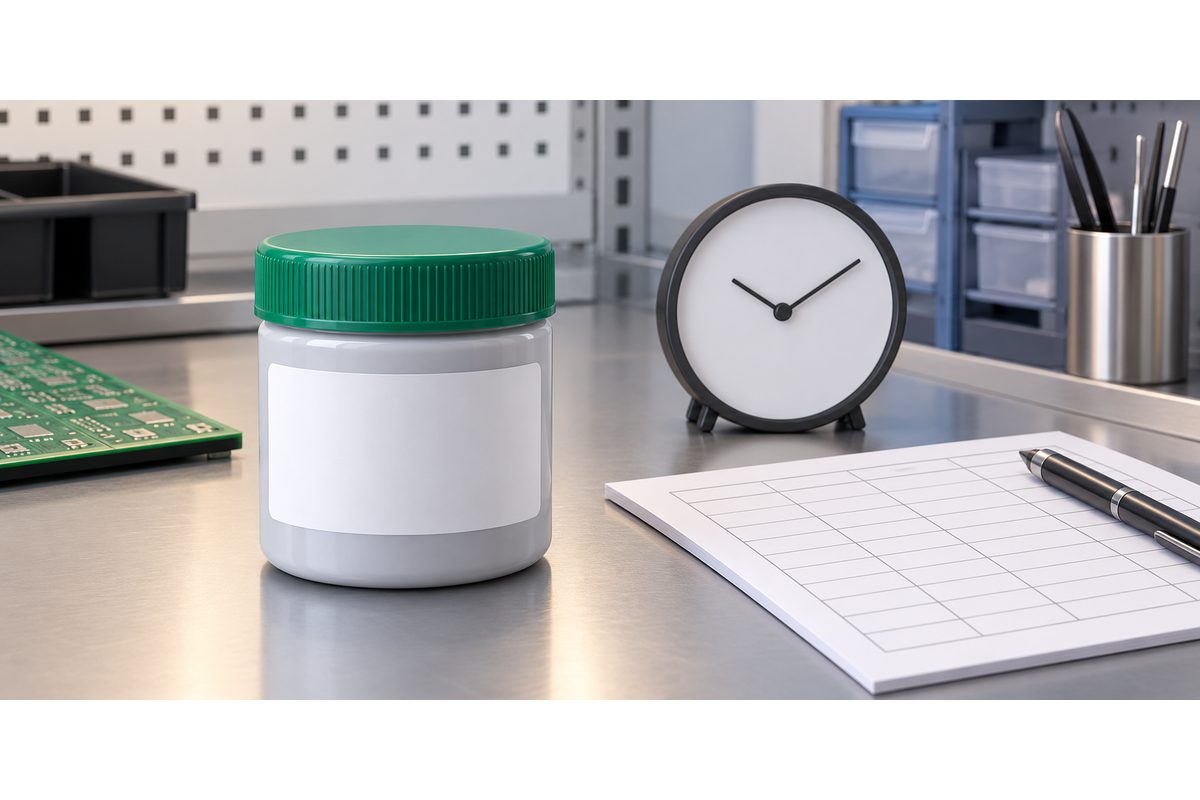
Keep the container identifier with the production record when it is opened and issued. Record the job, board side, printer or dispensing process, relevant times, and the operator or responsible role under the approved system. The record should make it possible to connect the material to the affected boards.
Use the manufacturer’s preparation method and appropriate clean tools. Do not add solvents, flux, or other material to make a questionable paste appear usable unless the manufacturer has specifically authorized that action through the approved process. Changing the formulation creates a different condition from using the supplied product as specified.
The stencil-printing overview explains the process interface the material enters. For this handling record, preserve the material history without confusing it with stencil design or printer settings. All three may need investigation, but they are different variables.
Keep fresh and worked material distinguishable
Material exposed on a stencil has a different history from unopened stock. Identify it separately if the approved process allows collection or further use. Do not return worked paste to unused material and erase that distinction. Follow the manufacturer’s instructions and the quality plan for disposition.
A closed lid does not restore the original history of an opened container. Likewise, returning material to controlled storage does not automatically reset elapsed use time. Define permitted returns, cumulative exposure tracking, and labeling through the applicable product instruction rather than an informal shop-floor convention.
As a hypothetical example, an unfinished assembly run may leave one unopened container and a separate quantity collected from the printer. They should not receive the same status merely because both remain within a labeled date. The unopened container, opened material, and worked material require their own histories and dispositions.
If reuse or return conditions are unclear, submit the product documentation, container status, exposure record, and proposed assembly schedule for a material-handling and quotation review. Resolve the process assumptions before the next run.
Investigate performance without rewriting the material record
When printing changes, check the paste identity and history alongside the stencil, setup, board support, and inspection program. Preserve the observations before selecting a cause. An apparent change in deposit shape does not by itself prove the paste was damaged in storage.
The solder paste inspection guide describes how measured quantities and trends support investigation. Keep inspection evidence tied to the actual container and build. A passing print or a small trial is useful evidence, but it does not automatically approve expired material or override a customer requirement.
For a suspected excursion, record the condition, affected containers, potentially affected boards, and the evidence available. Obtain the required disposition from the authorized quality function and, where necessary, the material manufacturer. Do not conceal the uncertainty by changing an opening date or relabeling the material.
Define procurement and assembly responsibilities
Agree on who supplies the paste, who approves substitutions, who checks received material, and who retains the records. Consigned builds are particularly vulnerable to gaps if the purchaser assumes the assembler received storage evidence while the assembler assumes the purchaser already released the material.
Discuss the required material-control and reporting scope with the SMT assembly service team for the actual project. This is a job-specific review, not a claim about a particular installed refrigerator, monitoring system, or guaranteed material shelf life.
Make exceptions explicit in the purchase and release package. A substitute paste, changed packaging format, delayed build, or unplanned partial run can require another review. Avoid a quote comparison that treats material handling, consignment responsibility, and traceability deliverables as identical when they are not.
Pre-release checklist
- Confirm the exact product, packaging format, lot, and current technical documents.
- Separate shipping, storage, preparation, opened use, and stencil working-life requirements.
- Keep receiving and storage evidence with the container identity.
- Prepare sealed material according to the approved instruction before opening.
- Link opening and printer issue records to the affected build.
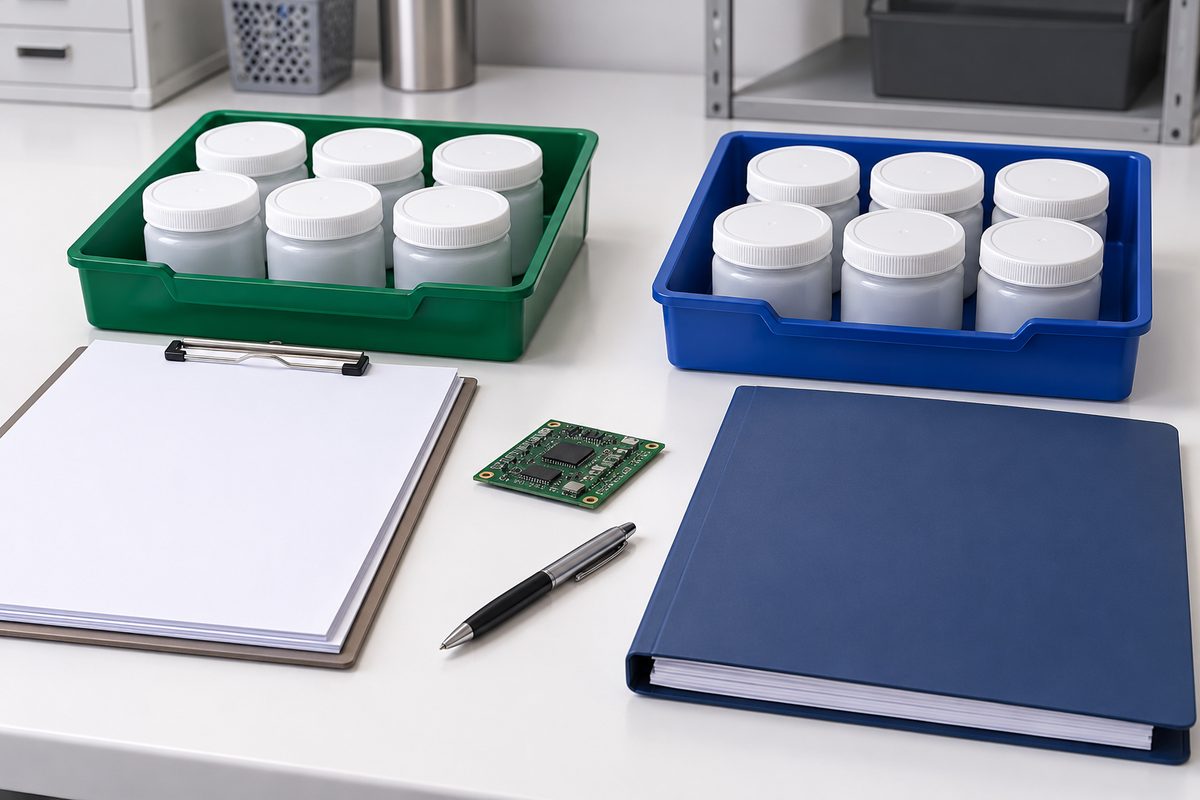
- Distinguish unused, opened, and worked material and document its disposition.
Solder paste storage and handling becomes defensible when the material and its history stay together. Product-specific instructions define the conditions; controlled records show whether those conditions were met. That combination gives engineering a sounder basis for production decisions than an alloy label or an assumed expiration date alone.
Ready to plan the assembly? submit the final assembly files, quantities, paste specification, consignment details, and required traceability records for engineering review and quotation. Include unresolved material conditions before the build is released.
Latest Blog




Contact Info
Phone: +86-755-82882936
Email: [email protected]
WhatsApp: +86-13570802455
Wechat: +86-13570802455
Address: 2nd floor,D Bldg.,Electric Link Technology Bldg.,Gongming,Guangming New Dist.,518106 Shenzhen, China