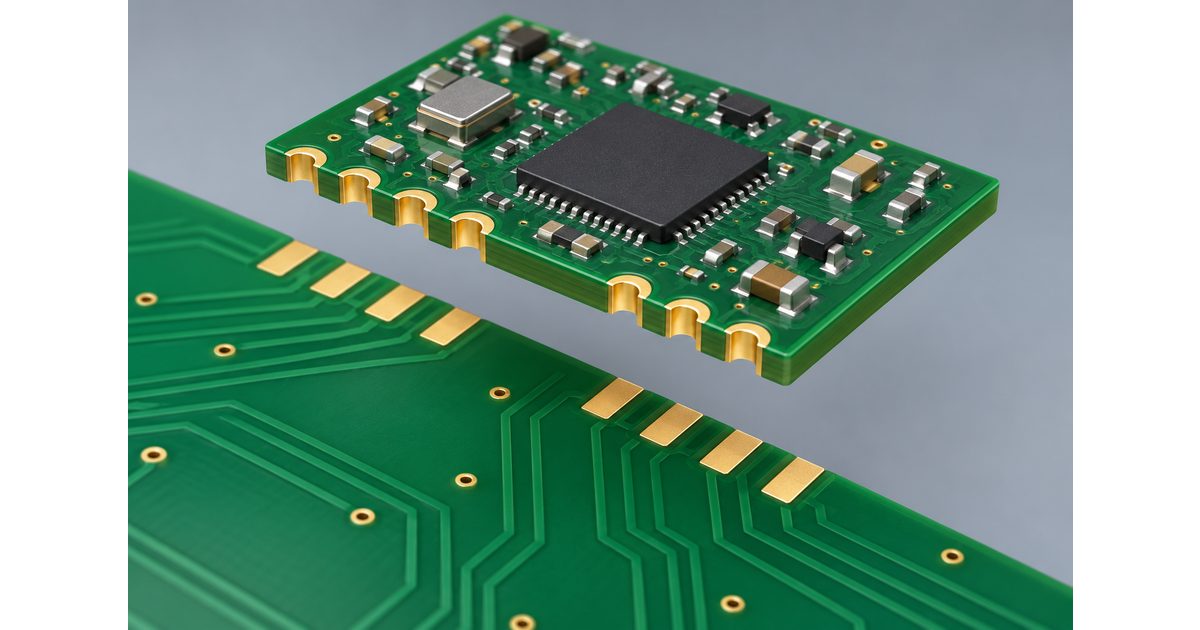
Castellated holes let a small PCB module connect to a larger host board through plated contacts along its edge. They can support a compact assembly without a separate header, but the module and host footprint
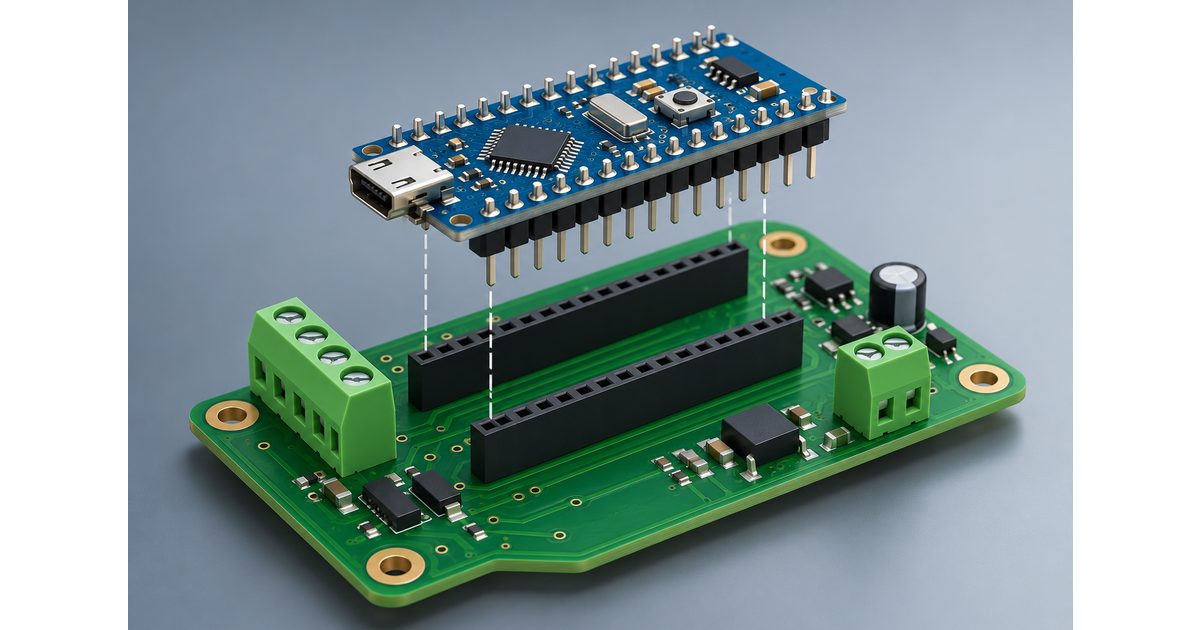
An Arduino Nano can help validate a circuit on a breadboard, but moving that circuit to a custom carrier PCB introduces new decisions. The module orientation, power architecture, connector positions, programming access, and manufacturing package
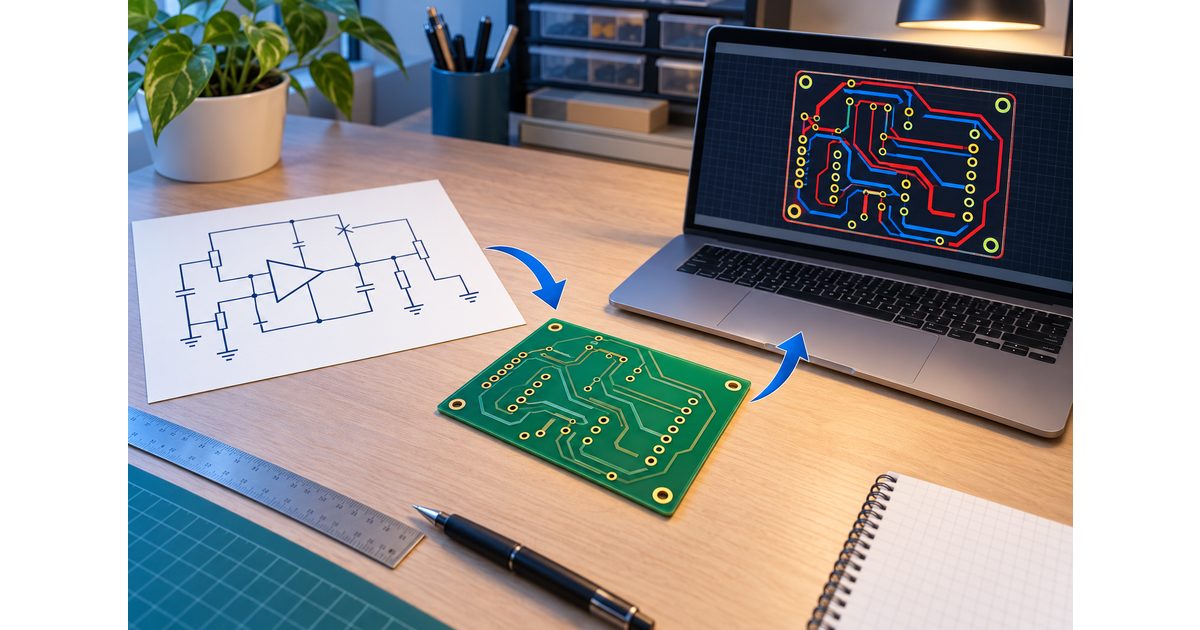
EasyEDA can help a beginner move from a circuit idea to a PCB layout, but a routed design is only one part of a successful build. The manufacturer also needs clear fabrication requirements, consistent production
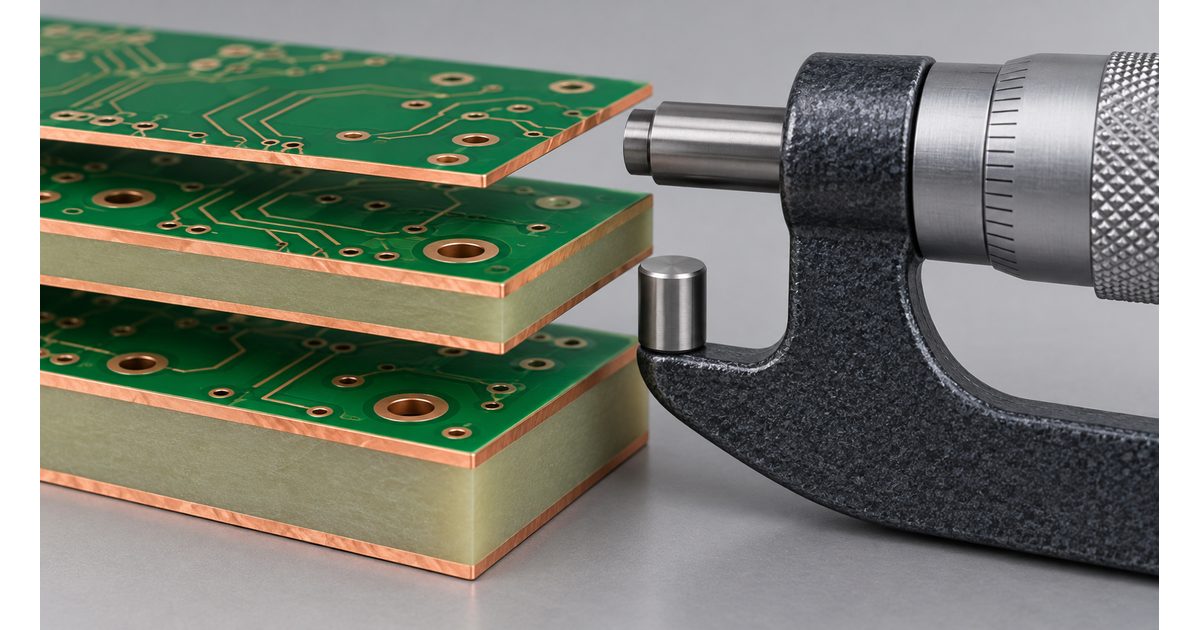
PCB thickness connects the electrical stackup to the mechanical product. A board can meet its nominal thickness target and still create an assembly problem if the connector, enclosure, or mounting hardware requires a tighter finished
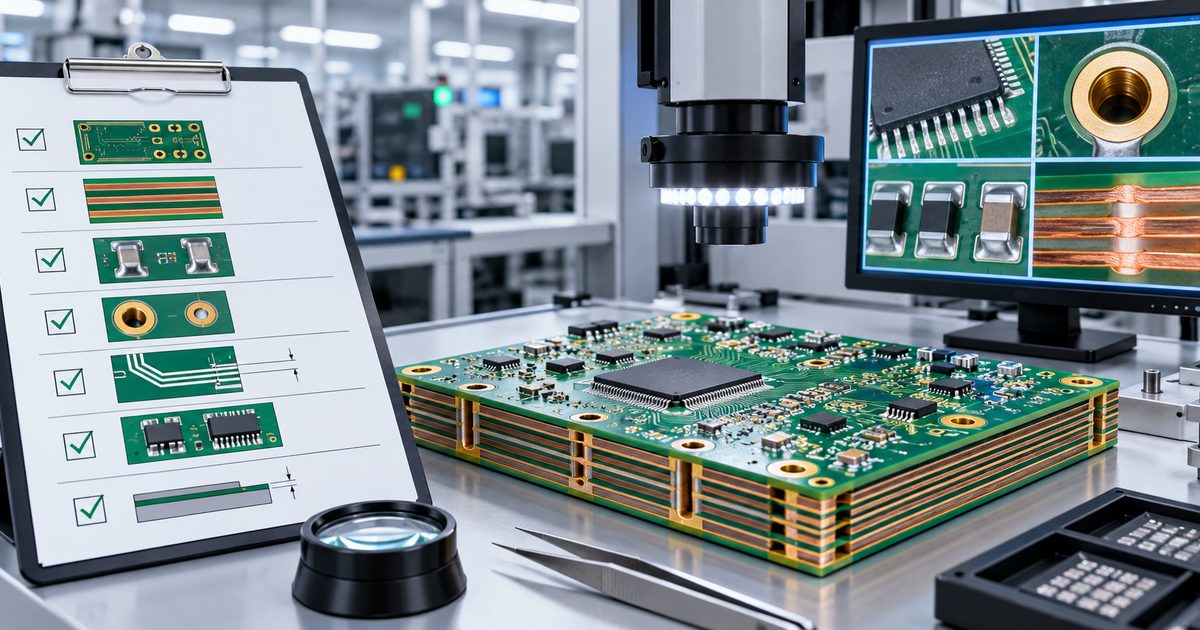
IPC-9121 helps engineers investigate problems in printed circuit board fabrication. Its practical value is the connection between an observed defect, possible process causes, and evidence that can support a corrective action. For an OEM or
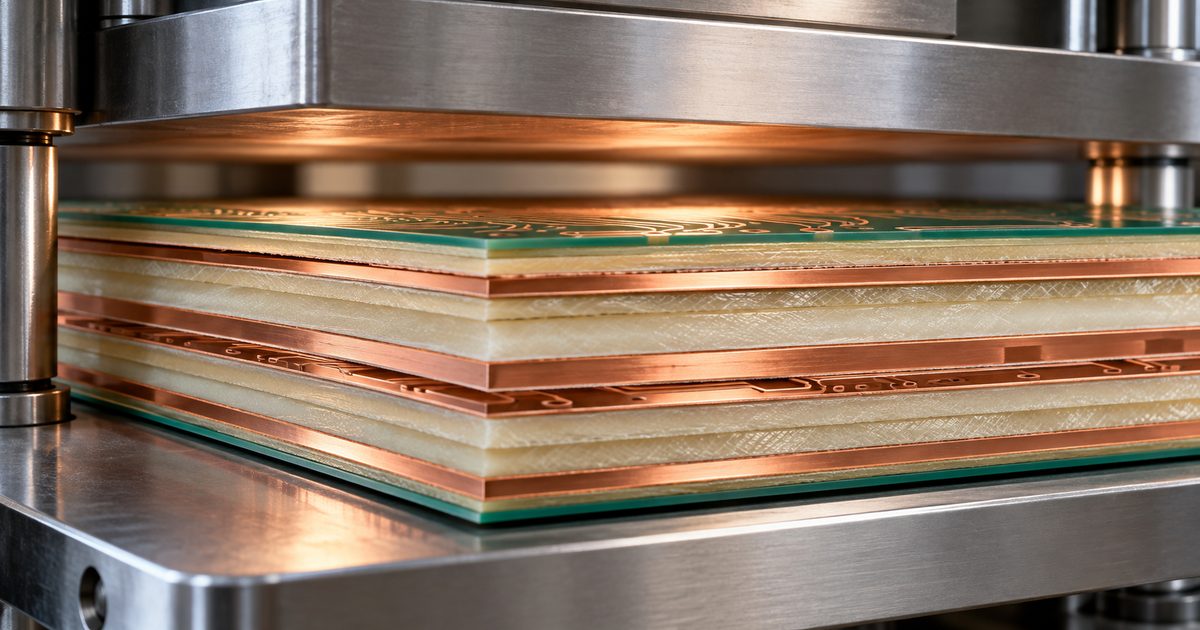
PCB lamination guidance for stackups, resin flow, dielectric control, defects, inspection, and DFM-ready RFQ preparation.
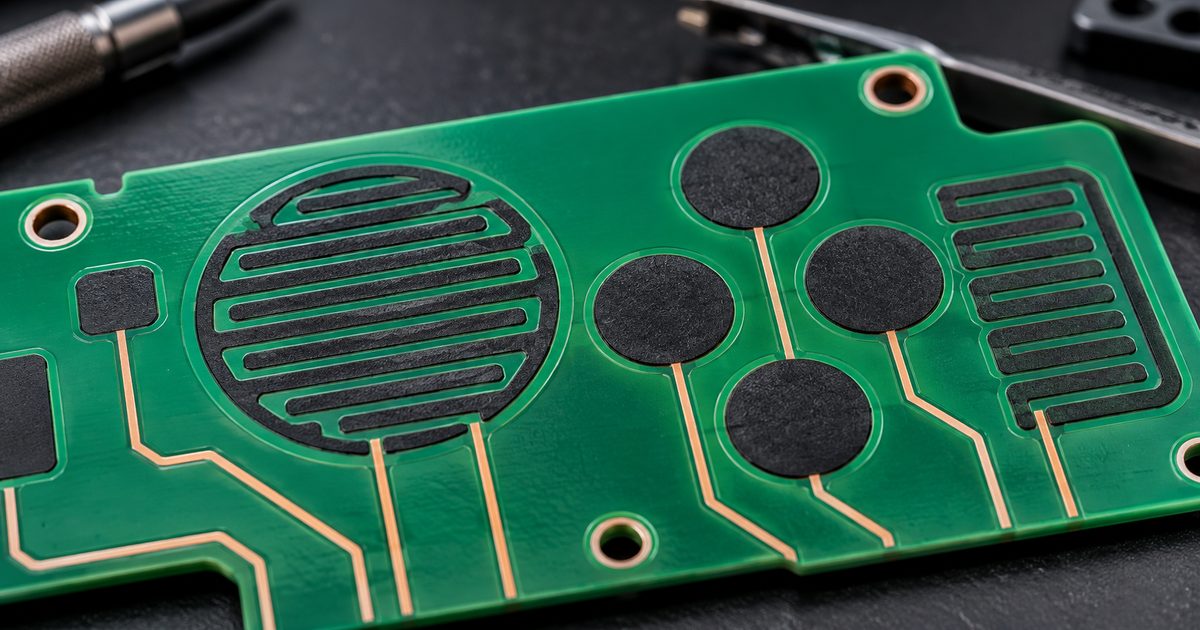
Carbon-ink PCB design guidance for contacts, printed resistors, artwork, manufacturing, curing, inspection, and RFQ preparation.
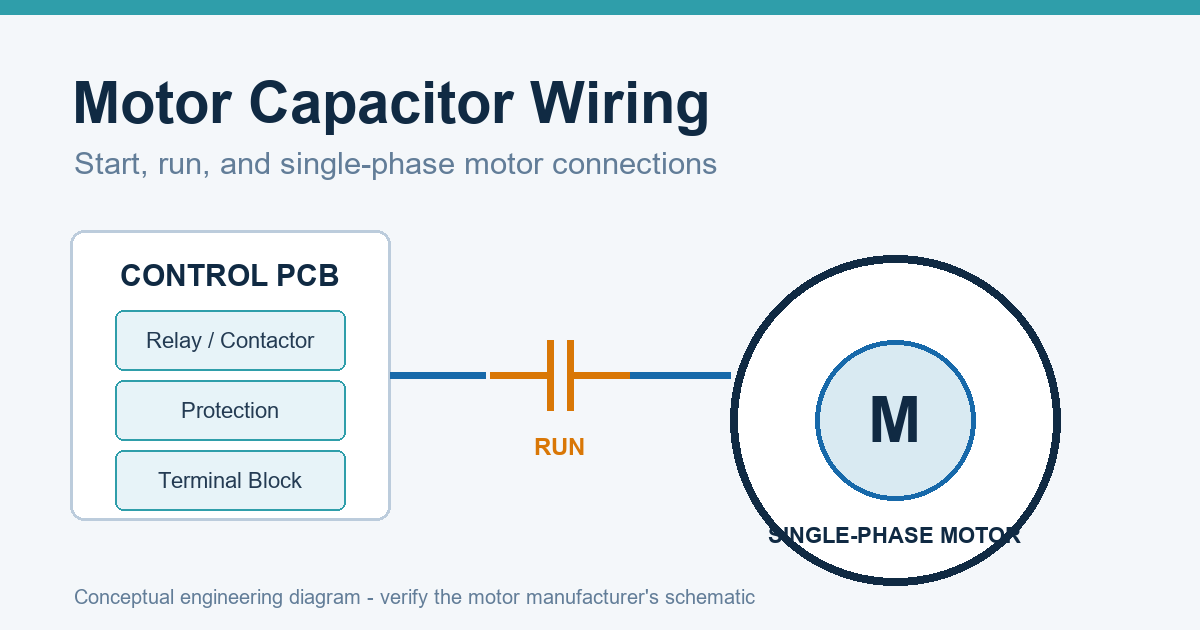
Understand start and run capacitor connections in single-phase motors, then review capacitor selection, PCB control interfaces, safety requirements, and manufacturing documentation.
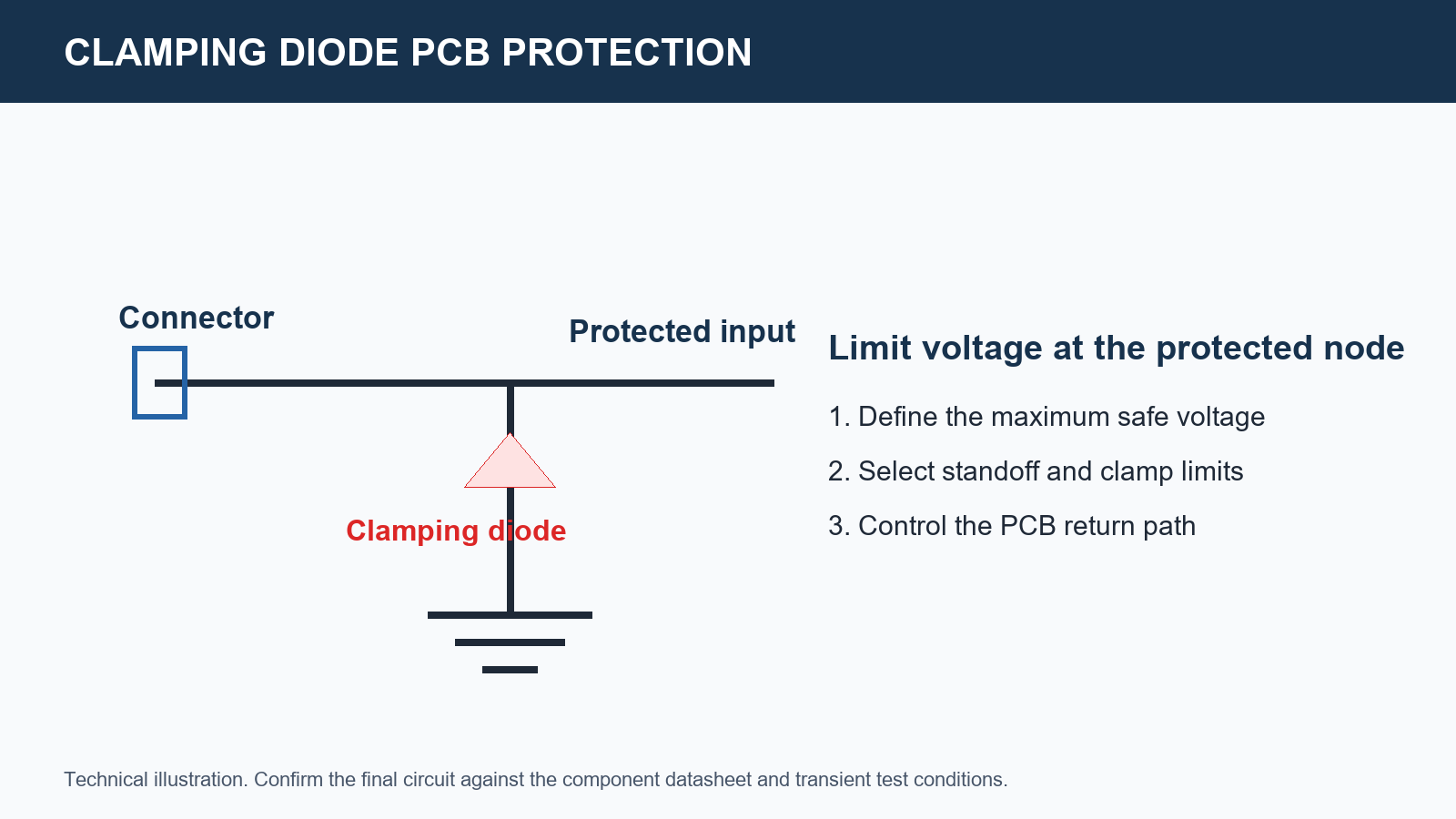
A clamping diode protects a circuit by providing a controlled current path when a transient pushes a node beyond its intended voltage range. The part may be a TVS diode, a zener diode, a Schottky
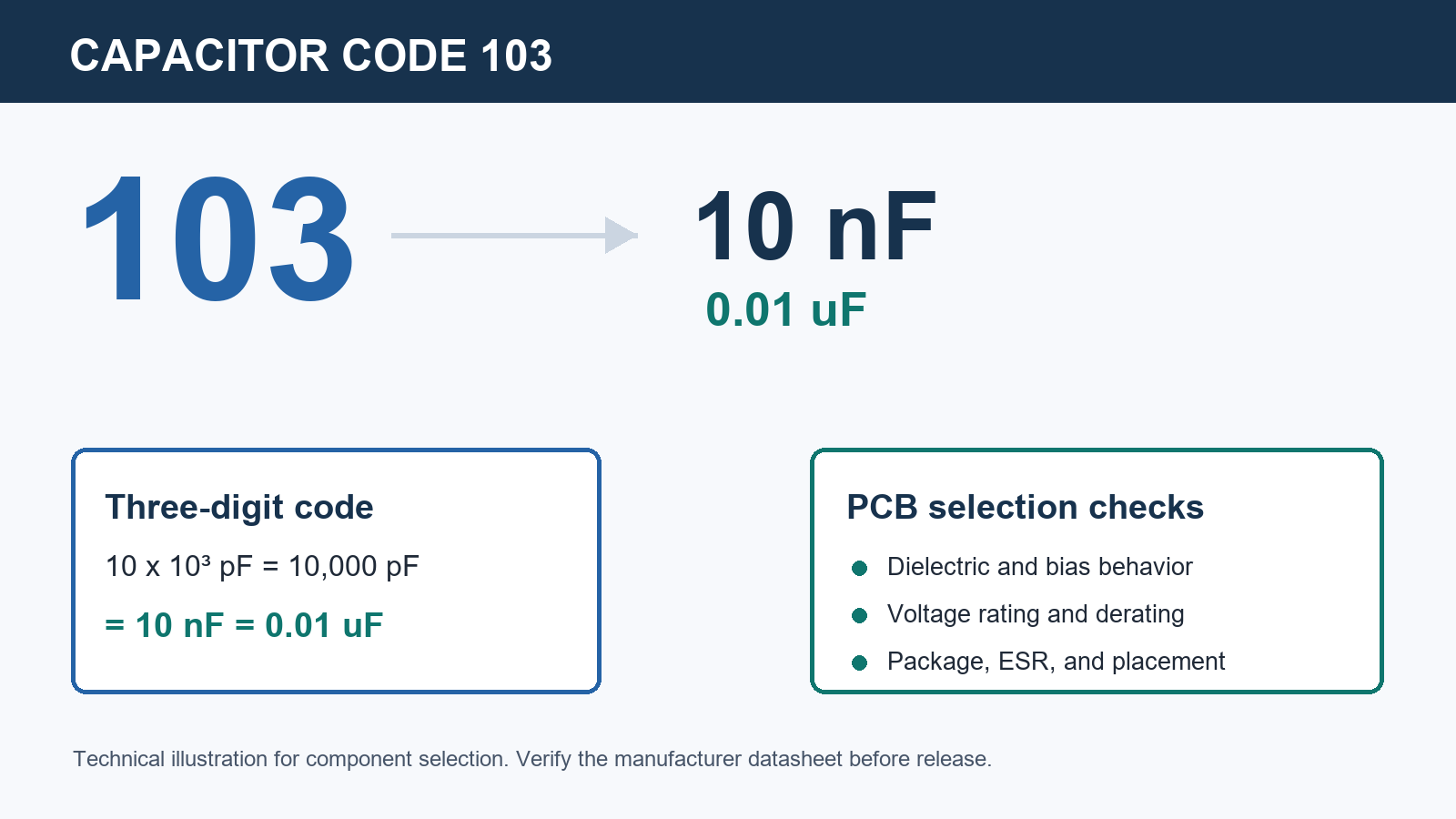
A capacitor marked 103 has a nominal capacitance of 10 nF, which is also written as 0.01 uF or 10,000 pF. That conversion answers the immediate identification question, but it is not enough to release
Email us for a Free Quote: [email protected]
PCB MANUFACTURING & ASSEMBLY
Start your next PCB project
Share your requirements for PCB fabrication, assembly or component sourcing.

PCB fabrication, assembly and component sourcing — from prototype to production.
Orinew Technology Development Co., LTD.
Contact our team
Address17th Floor, 2B Bldg., Creative Bldg., Time Valley, Heshuikou Community, Matian Street, Guangming Dist., 518106 Shenzhen, China© 2012–2026 Orinew Technology Development Co., LTD.